Interesting Links 🏭

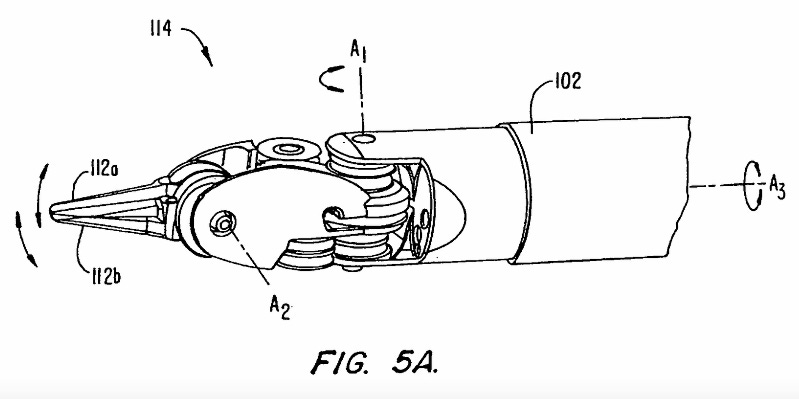
- Intuitive Surgical’s instruments let surgeons operate through small incisions, using cable-driven linkages to achieve seven degrees of freedom at the surgical site, with four degrees of freedom within the instrument itself as shown in this teardown. The instrument is entirely passive (no embedded motors or sensors) with motion transmitted through braided tungsten cables routed through a dense system of pulleys to actuate the wrist and gripper. The cables, prized for their mechanical properties (strength, fatigue resistance) at small diameters, are so expensive they account for nearly half the cost of the instrument. The only electronics are a memory chip which tracks up to 10 uses and passive ESD protection. We learned the business model of medical device companies follows a common pattern in capital equipment: sell the machine once, sell the consumables forever.
- Also a surprisingly fun browse: their accessory catalog covers dozens of tool heads, staplers, and instrument types used in surgery.
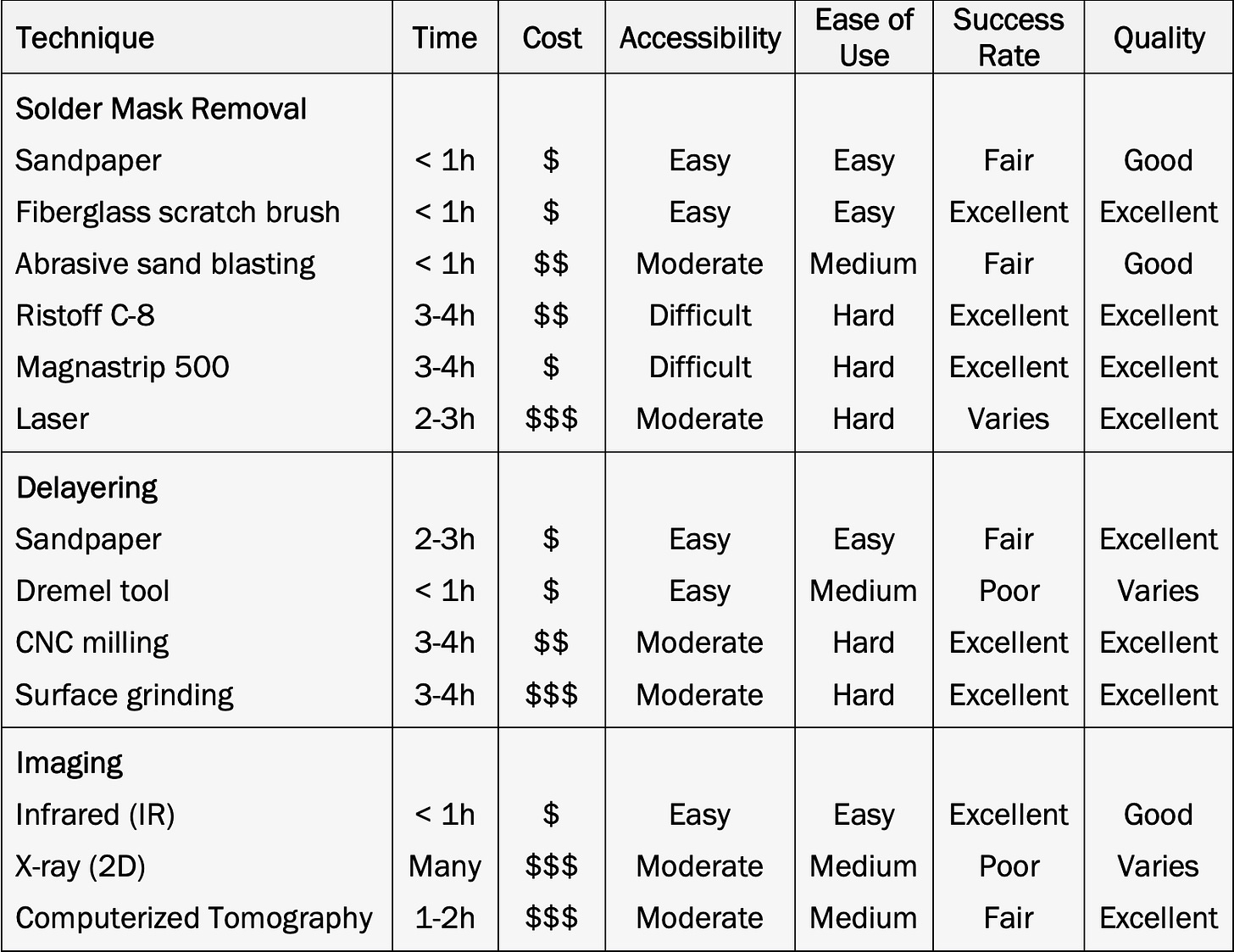
- Joe Grand put together what’s probably the most useful guide to PCB reverse engineering that exists. PCB reverse engineering is extremely tedious: components are meticulously desoldered and cataloged, each layer of the board is removed and imaged, and then image processing software is used to correlate copper features with a net list. If you’re lucky (and if you have good component data), you might be able to achieve a schematic level understanding of the board. Generally, PCB reverse engineering is only attempted by security firms and intelligence agencies; however, if you ever try it yourself, stick to sanding for removing layers and use a cheap webcam with an IR filter for layer imaging. For the time, cost, and effort involved, this offers the best bang for your buck.
- Over the past few months, we fell down a rabbit hole and ended up building a manufacturing supplier database: mfg.hardwarefyi.com. It started as a simple hack, using ImportYeti to track known partners of existing suppliers, mostly in Asia. (ImportYeti scrapes public Bill of Lading records, basically international shipping paperwork, to show who is moving goods around.) For example, you can see that Tesla has worked with suppliers like Adient for automotive seating, or that Apple sources components from companies like Luxshare Precision and Goertek. You can even track smaller companies, like Humane using Huayan for what looks like sub-assembly or CNC machining on the Ai Pin (not speculating wildly, you can literally track the paper trail). That hack snowballed into a whole site: a database of processes and vendors, with the ability to upvote, comment, and share trusted recommendations. We’re not totally sure where this project will go yet, but we kept coming back to a quote that we love:
The two strongest accelerants to an engineering team’s velocity are:An excellent recruiterAn excellent supply chain.
Sharing it here in case it’s useful, would love your thoughts!
- An interesting concept we often overlook is how loose connections can start electrical fires. This video lays it out in a first-principles approach. A sufficiently tight connection ensures full contact between both conductors. In contrast, a loose connection may result in incomplete contact, reducing surface area, increasing resistance, and generating more heat as a result (P = I²R). If a connection comes loose under load, the rising resistance will turn it into a heat source, and over time, that’s what starts fires.
- Transformer tap changers and voltage adjustment taps are mechanisms that maintain proper secondary voltage in transformers by adjusting the primary winding's turns ratio when incoming voltage fluctuates due to factors like distribution line drops or high consumption. Located in the high-voltage cabinet, the tap changer (typically a rotary device for off-load use) connects to predefined taps on the winding, with settings detailed on the transformer's nameplate for incremental voltage adjustments. This setup provides flexibility in achieving the desired output voltage, though de-energized tap changers are less suited for frequent changes compared to on-load alternatives or voltage regulators.
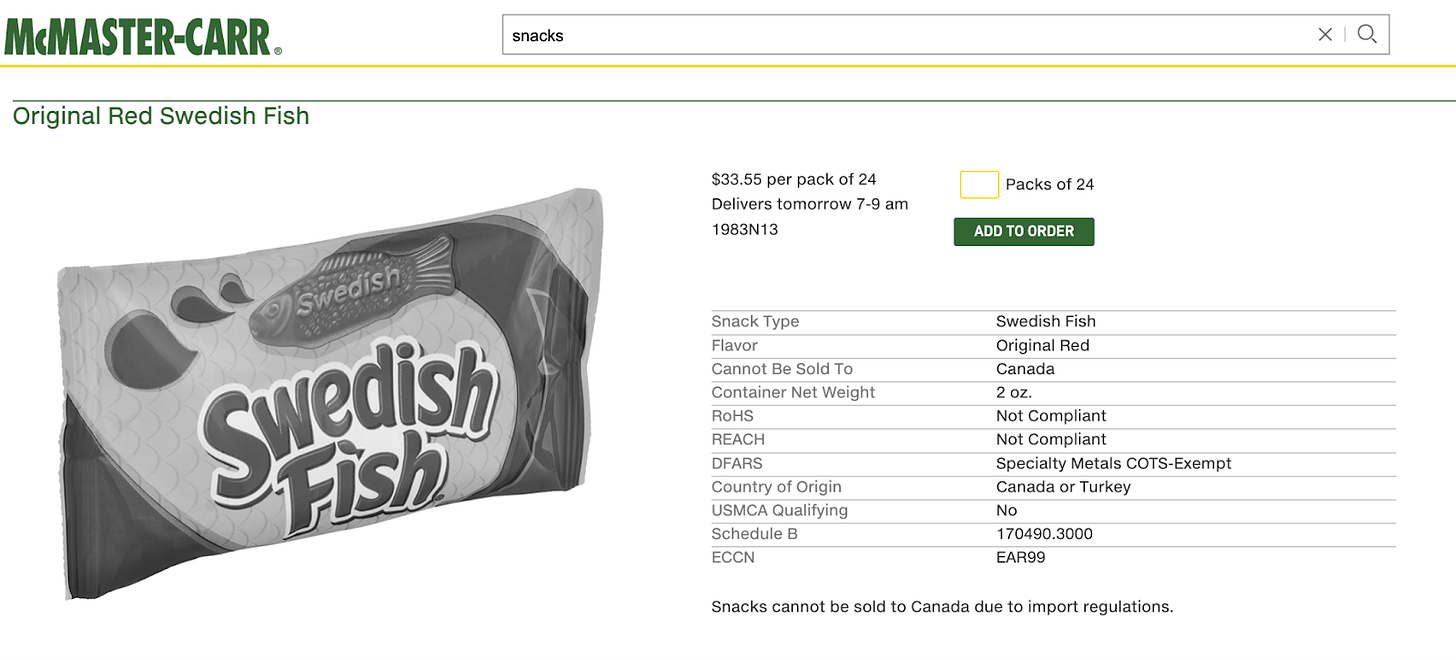
- In case you didn’t know, McMaster-Carr doesn’t just sell hardware. You can also buy snacks.
- There’s a CAD speed-run design challenge happening in SF on 4/24. Winners get a pair of Meta Smart Glasses!
Some fun links to round out the week:
Startup News 🚀
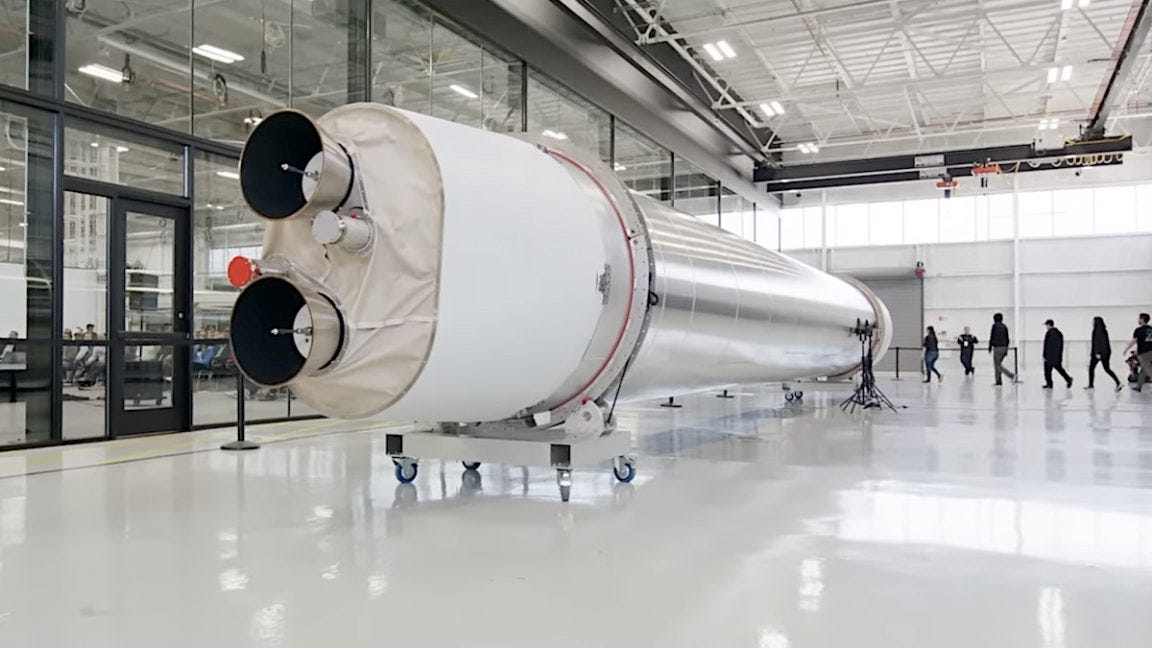
- Astra has re-emerged from the ashes after going private, raising $80 million to wipe out debt, buy back control of the company, and fund a path back to launching rockets. At the height of the SPAC boom, Astra raised hundreds of millions and briefly hit a $2.1 billion public valuation only to collapse after repeated rocket failures (7/9) and a 99% stock wipeout. The company’s long-term goal remains building a sustainable business around small satellite technologies and launch services.
- This was an interesting quote from Astra’s CEO on early struggles: "I learned that you do not layer reliability in later; you have to start on day one," he said. "If you want a reliable system, it starts with studying every way it can fail and doing the analysis and doing the work up front. And we didn't do that with Rocket 3."
- As part of its broader $21 billion U.S. investment plan, Hyundai is committing $6 billion toward Boston Dynamics and related initiatives alongside a major purchase of “tens of thousands” of their robots. Hyundai has already deployed Spot, its four-legged inspection robot, across its factories and is preparing to roll out the second generation of Atlas, a humanoid robot designed for manufacturing operations. Hyundai originally acquired Boston Dynamics from SoftBank in 2021 for $880 million.
- Chef Robotics raised a $20.6M Series A round to scale its AI-powered food assembly robots. The company builds robots that can manipulate a wide range of ingredients to automate preparation and packaging tasks alongside humans. Chef also secured $22.5M in equipment financing from Silicon Valley Bank to expand production, with current customers including Amy’s Kitchen, Sun Basket, and Chef Bombay. The round was led by Avataar Venture Partners.
- You can see a redacted version of their 12-slide pitch deck here.
- Aetherflux raised a $50M Series A round from Index Ventures and Interlagos to develop space-based solar power systems. The company is focused on subscale testing of its core technologies ahead of a space demonstration in 2026. Aetherflux was also awarded its first government funding through the Department of Defense to build a proof-of-concept power beaming system from low earth orbit (LEO).The funding comes as both China and the European Space Agency have announced their own space solar power demonstrations planned within the decade. See issue #93 for an overview of space-based solar power.
- Poseidon Aerospace emerged from stealth this week introducing Seagull, an uncrewed sea glider inspired by the Soviet-era Caspian Sea Monster. The SF-based startup is reviving ekranoplan technology, using ground effect to reduce drag and increase lift, for modern logistics applications. The plane flies a few meters above water and can carry payloads up to 100 pounds of high-priority cargo like medical supplies. Poseidon raised a $1.4M pre-seed round led by Starship Ventures and is preparing to test with the US Navy and Coast Guard this summer. They posted a short video of Seagull in operation here.