

Topics worth your time this issue: how Raspberry Pi’s humble origins grew into industrial infrastructure, a running graveyard of every shuttered product by Google, a 40-year-old garage prototype meets a 3D printer, and why the best automation win is sometimes just a better-designed part.
Interesting Links
- In a wide-ranging interview spanning education, automation, and the long game of platform building, Eben Upton gives an inside look on how Raspberry Pi grew from an education charity into a $1.3B+ publicly traded industrial giant. The interesting inversion is that while the education brand is still what most people recognize, the business is now mostly industrial: $800M in annual revenue with 80% coming from industrial applications like display infrastructure at Heathrow, elevator systems, ISS deployments, and now OpenClaw agents. The Colossus team continues to do some of the best founder interviews we’ve come across — here are a few ideas worth surfacing:
- Reshoring and the practical advantages of factory proximity. Raspberry Pi has assembled their computers in Wales with Sony Electronics as their CM for over a decade. Upton attributes a lot of Raspberry Pi’s price and performance advantages to 14 years of engineers walking the factory floor and asking “what do you hate about building this?”
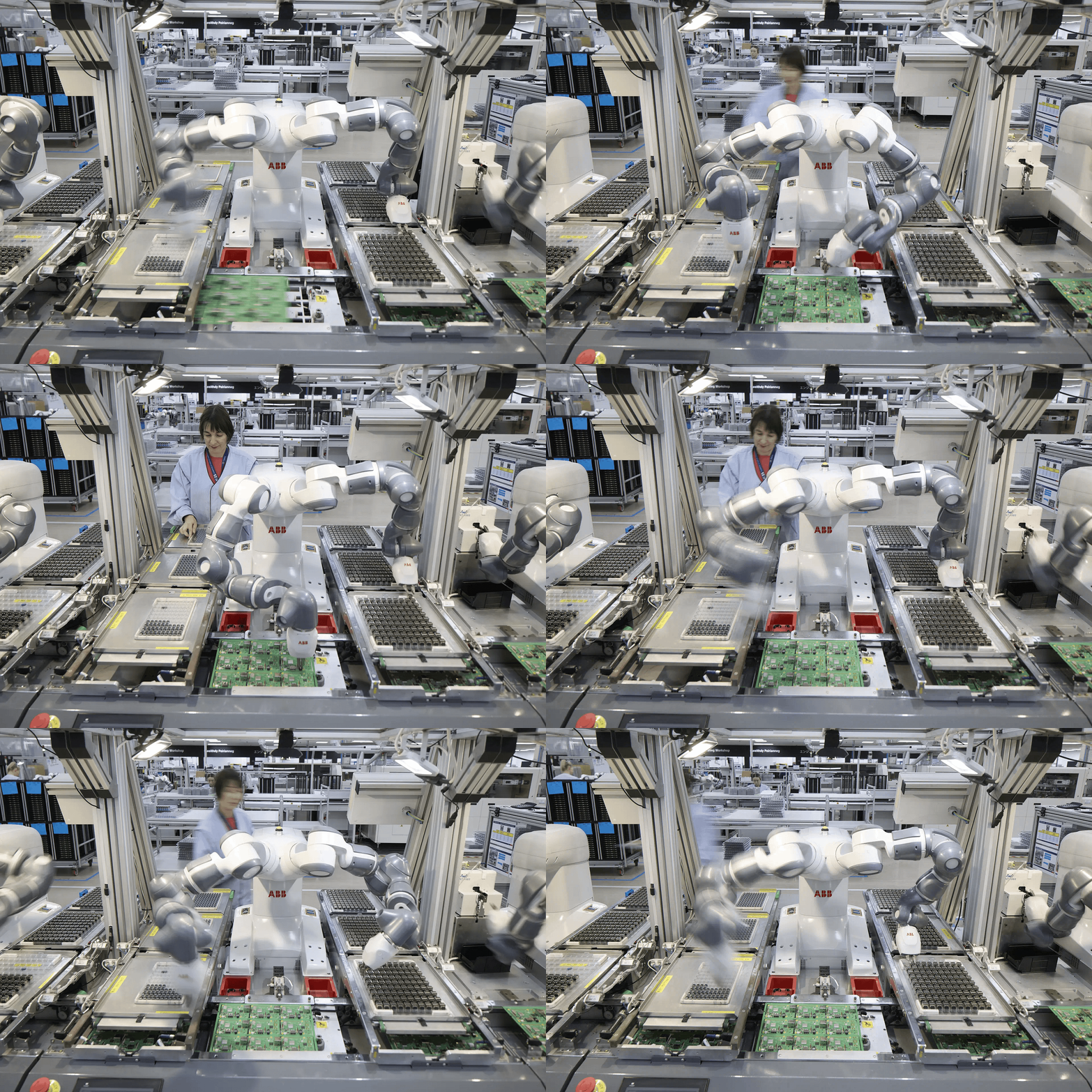
- The best automation win is often a fixable design constraint. After years of capital investment in dextrous cobot arms to handle USB connector assembly (5 robots to 1 human operator), the connectors were redesigned themselves so standard pick-and-place machines could handle it. The current process barely uses the same automation from before, opting for simpler Cartesian pick-and-place machines.
- On platform serendipity and the long game. Build something general-purpose, cheap, and capable enough, and it gets pulled into whatever the current thing happens to be. The deeper flywheel is user-facing: people learn on Raspberry Pi, carry it into industry, and eventually the ubiquitous education product creeps into real infrastructure.
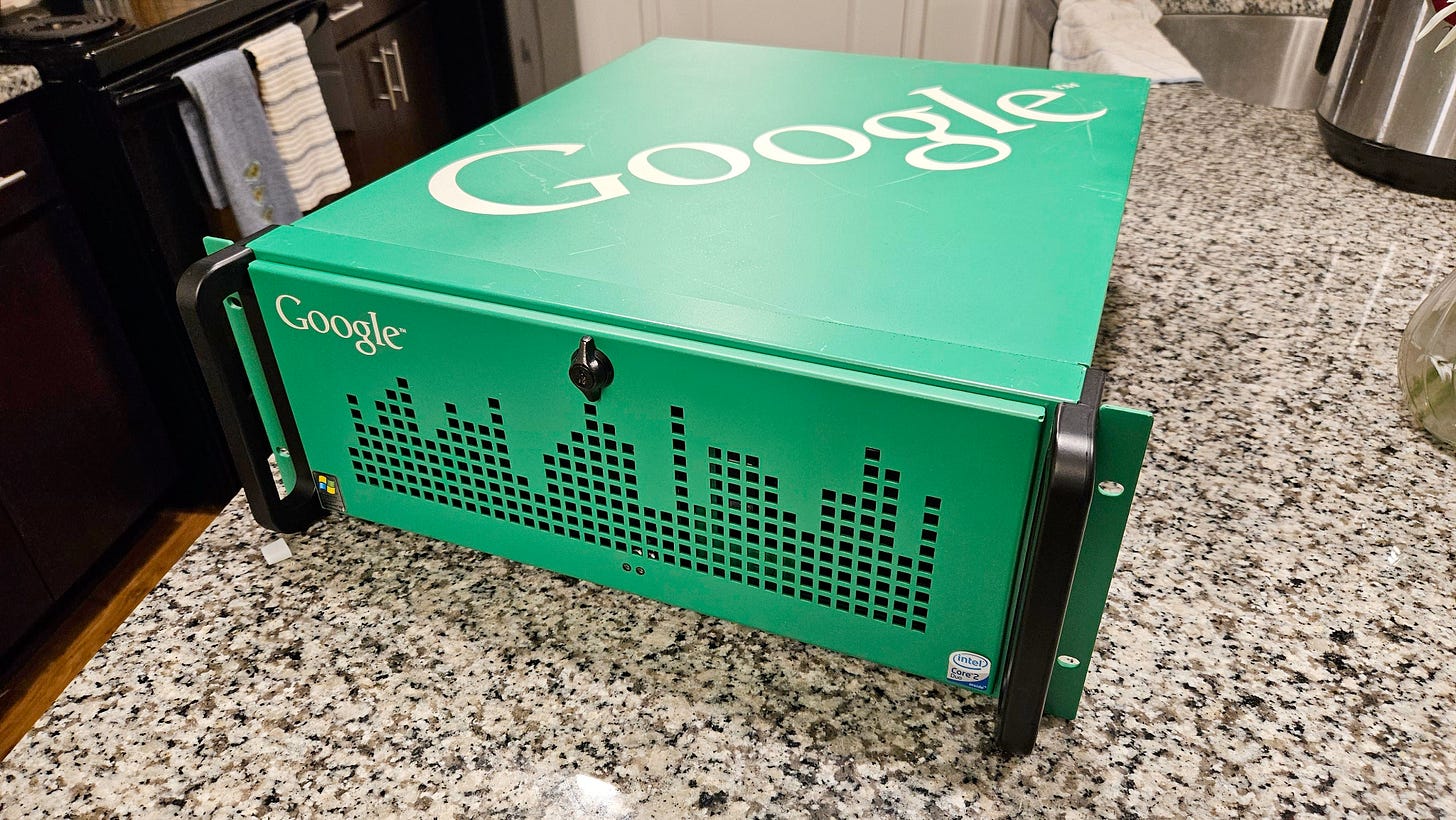
- Killed by Google is a running graveyard of every product Google has shut down. Toggle the filter to hardware and you get the lineage: Google Glass, Cardboard, Dropcam, Clips, and more, most defunct within a few years of launch. When a company that size ships something, people assume a level of seriousness behind it with real capital, multi-year support, and an ecosystem worth buying into. While true, Alphabet has always operated under the philosophy with products almost as experimental launchpads: ship broadly, let usage reveal the truth, and prune aggressively when something doesn’t become strategically essential. How Google Works is the canonical inside account of the philosophy around empowering ‘smart creatives’ that produced both Maps, Android, Waymo, along with the long list of shuttered products above.
- On product philosophy, Apple sits at the other end of the spectrum: often late to a category, sometimes painfully so, but much more reluctant to ship until the engineering, product, supply chain, and support model are ready to hold up for years. Apple is reportedly lining up its first foldable iPhone for the beginning of the John Ternus era.
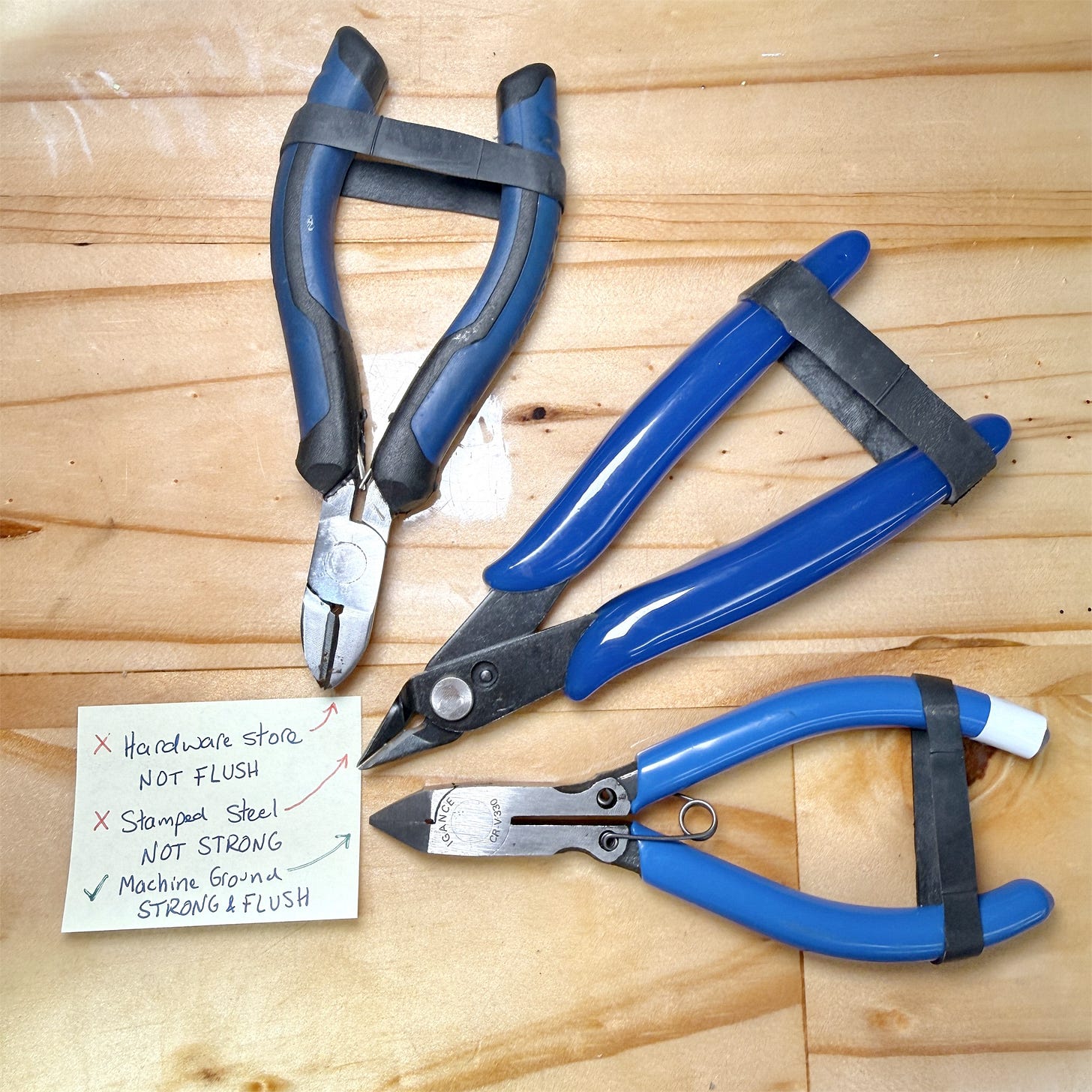
- OpenLab is another initiative from the same person behind OpenME, this time aimed at documenting the tools and equipment that belong in any serious engineering lab. The level of detail gets granular down to exact part SKUs and purchase links (no surprise coming from David Malawey), while also providing the organization logic for turning a pile of lab equipment into a working prototyping environment. IGAN-330 wire cutters are recommended over the cheap stamped-steel versions.


- If at first you don’t succeed, wait forty years and try again. In 1985, Polaroid engineer William Freeman sketched and patented a three-sided zipper for a Scientific American design contest — a fastener that could flip between flexible and rigid, turning soft objects into structured ones on demand. Despite not winning, he stored the prototype in his garage waiting to be discovered again. Forty years later, now an MIT professor, he revived the concept with CSAIL collaborators using tools that simply didn't exist when he first drew it up (geometry generation with Rhino and 3D printing), and the result is the Y-zipper system: a system that generates custom three-sided zippers from four motion primitives: straight, bent, coiled, and twisted. Material choice changes the use case with PLA for heavier loads or TPU for easier flex. In testing, PLA Y-zippers survived 18,000 open/close cycles before failure. Design files are linked for anyone who wants to print the mechanism at home.
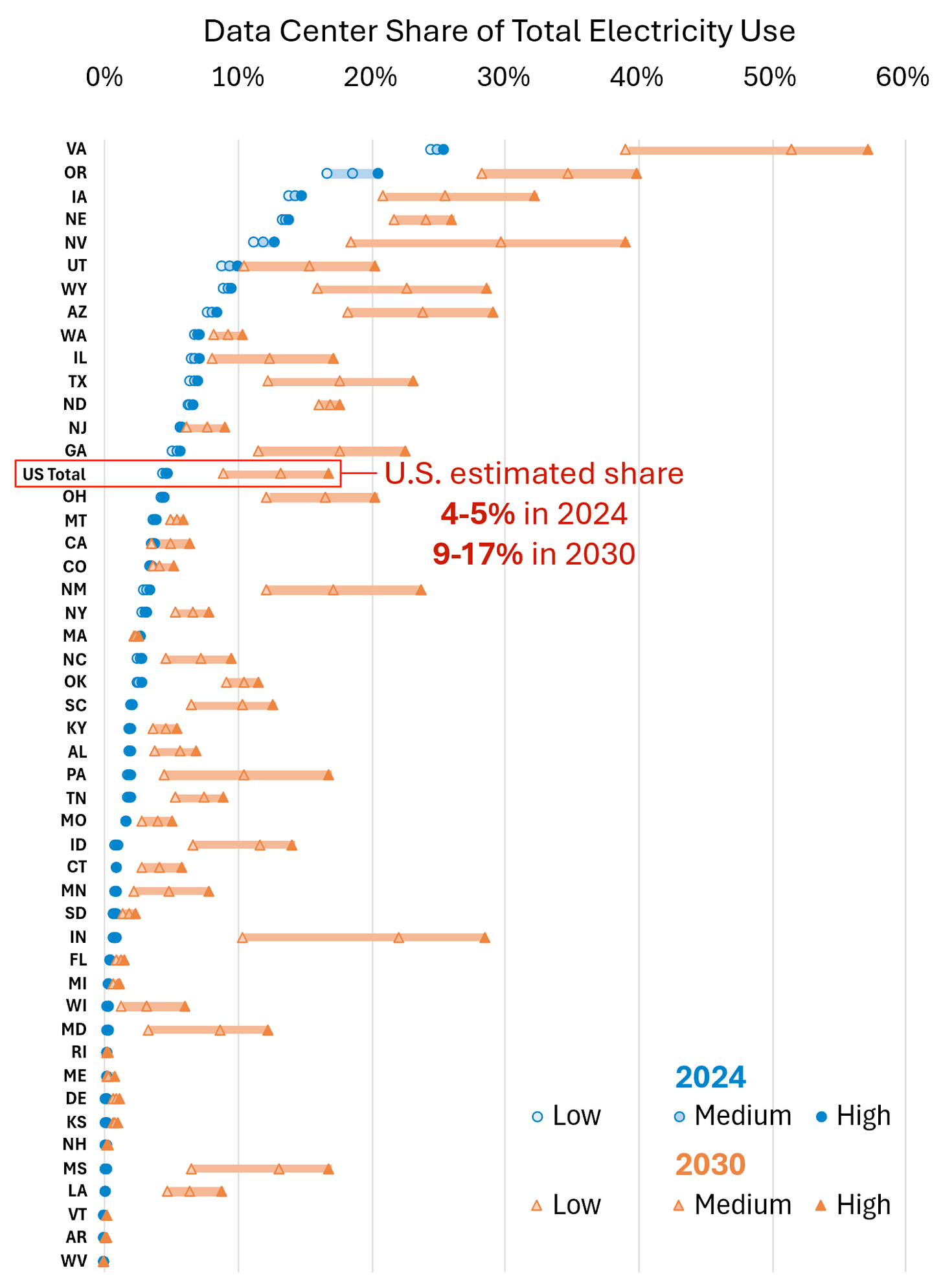
- From EPRI’s Power Intelligence Report, data centers already account for more than 20% of total electricity use in Virginia, with forecasts showing that share could rise to 39–57% by 2030.
- And one fun link to round out the week: Figure has been livestreaming its F.03 humanoids sorting packages for the past ~5 days. The task is to detect the barcode, pick up the package, and reorient it face-down on the conveyor. The full tour of BotQ is also worth a watch.
Startup News
- Aetherflux, now rebranded as Cowboy Space, raised $275M in Series B funding at a $2B valuation to expand from space-based solar power into orbital data centers and launch vehicles. The company’s new plan is to build a rocket whose upper stage becomes the data center once it reaches LEO instead of launching a separate satellite payload. The first mission later this year is a small Apex-built satellite to test infrared power beaming, then the first orbital compute node planned for next year, and 1 MW data-center upper stage targeted for 2028. Index Ventures led the round.
- Anduril raised $5B in Series H funding at a $61B valuation to expand manufacturing capacity, R&D, and defense production infrastructure. The company reported $2.2B in 2025 revenue and the broader strategy is still the same: software-defined defense systems, autonomous platforms, and factories built for high-rate production rather than low-volume bespoke programs. Thrive Capital and Andreessen Horowitz led the round.
- Config raised $27M in seed funding to build the data layer for robotics foundation models. The Seoul and San Jose based startup records human physical tasks, converts that motion data into robot-usable training data, and sells it to manufacturers building their own robotics AI. The company says it has collected more than 100,000 hours of human motion data, with a nearly 300-person data operation across Asia, and is targeting 1M+ hours. Samsung Venture Investment led the round, with participation from Hyundai, LG, SK Telecom, and others.
- Mind Robotics, RJ Scaringe’s robotics lab spun out of Rivian, raised another $400M in funding. The company is developing industrial robotics for next-gen factory automation.