

👋 Happy Saturday! This week’s highlights include a chart on the rise in global orbital launches by year, a look at Micro Center’s unique paint-aisle approach to displaying 3D-printed filament swatches, and a walkthrough of ULA’s rocket factory.
Interesting Chart: Orbital Launches by Year
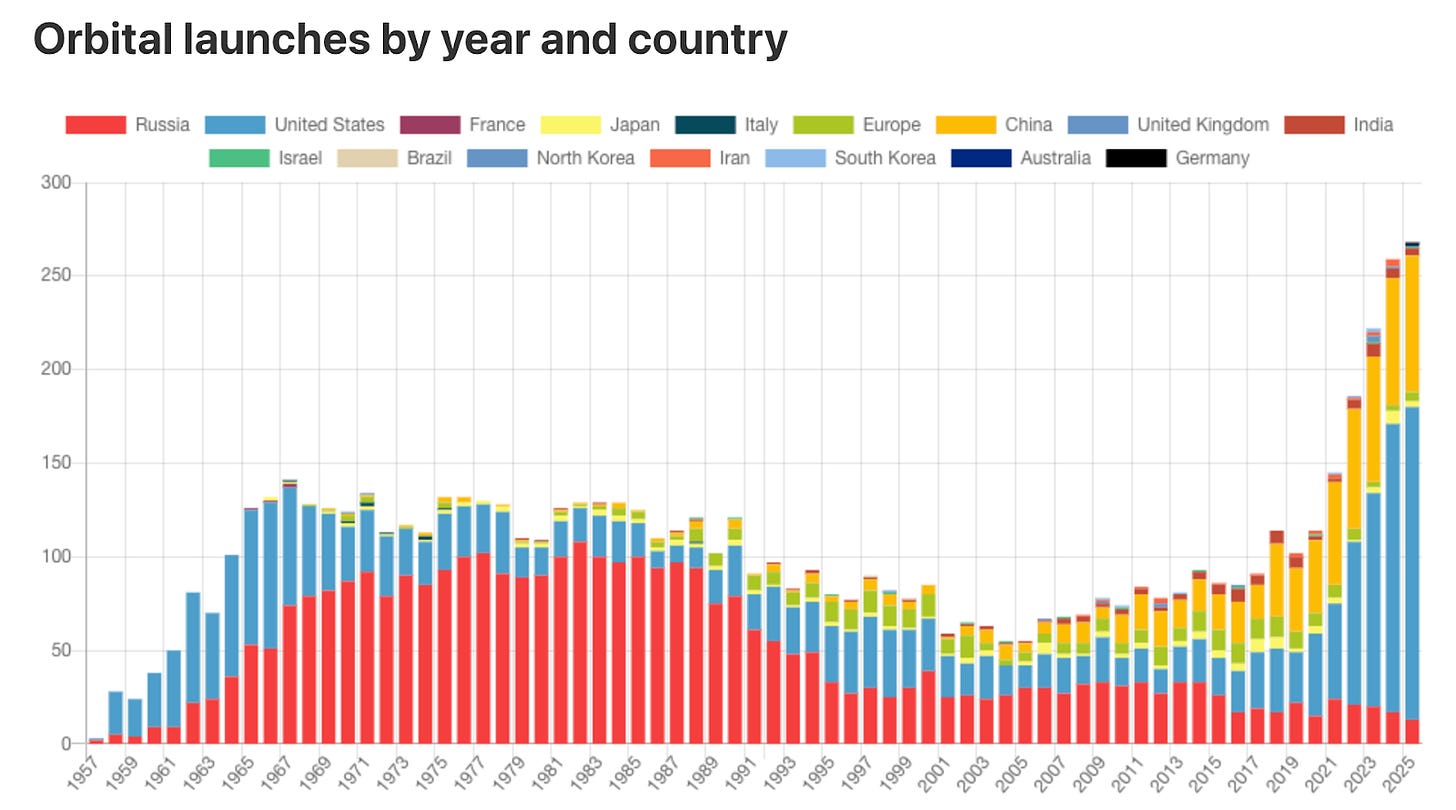
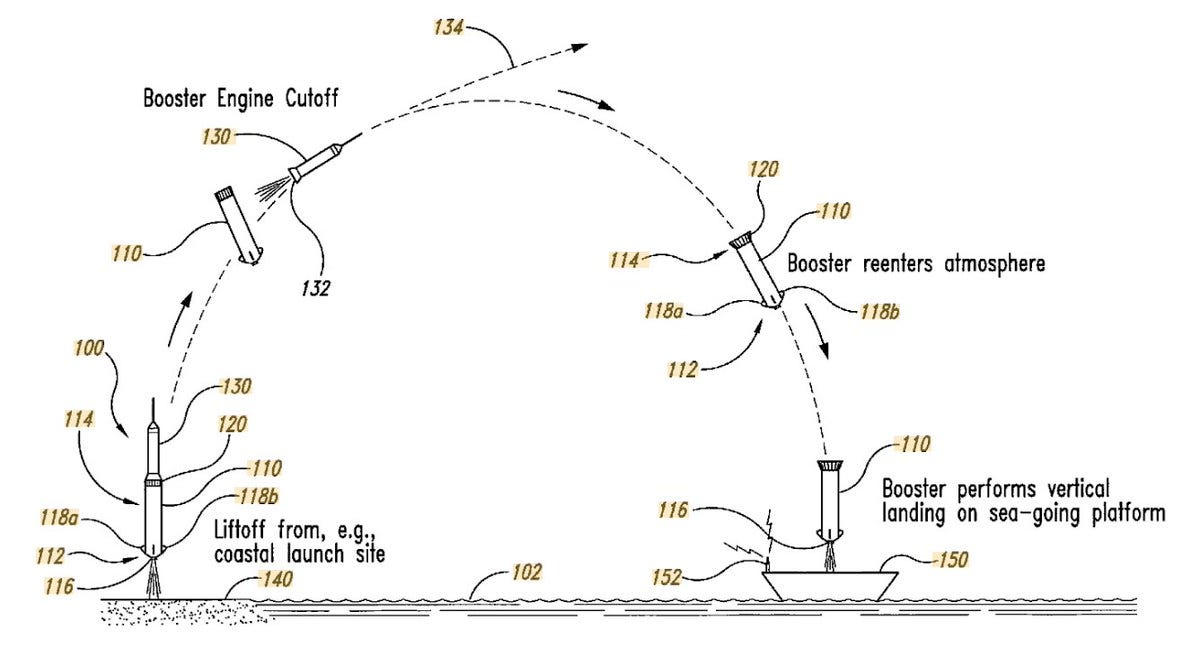
In honor of Blue Origin successfully landing New Glenn and making it only the second company ever to recover an orbital-class booster, it’s worth noting the bigger picture: we’re firmly in a second golden age of space. Since 2021, annual orbital launches have hit their highest level since 1967 and have set a new record every year since. (It’s also wild to look back at the dip in activity; in 1971 there were roughly twice as many launches as in 2001).
The first space race was funded by government budgets where at its peak in the 1960s, NASA was getting on the order of 4% of total federal spending. Today it’s well under 1%, but we still see record launch cadence because the commercial sector has taken over most of the growth.
Many more space-industry charts here breaking launches down by payload type, mass range, and orbit, plus vehicle-family views across private rockets and legacy government programs.
Interesting Photo: 3D-Printed Filament Swatches
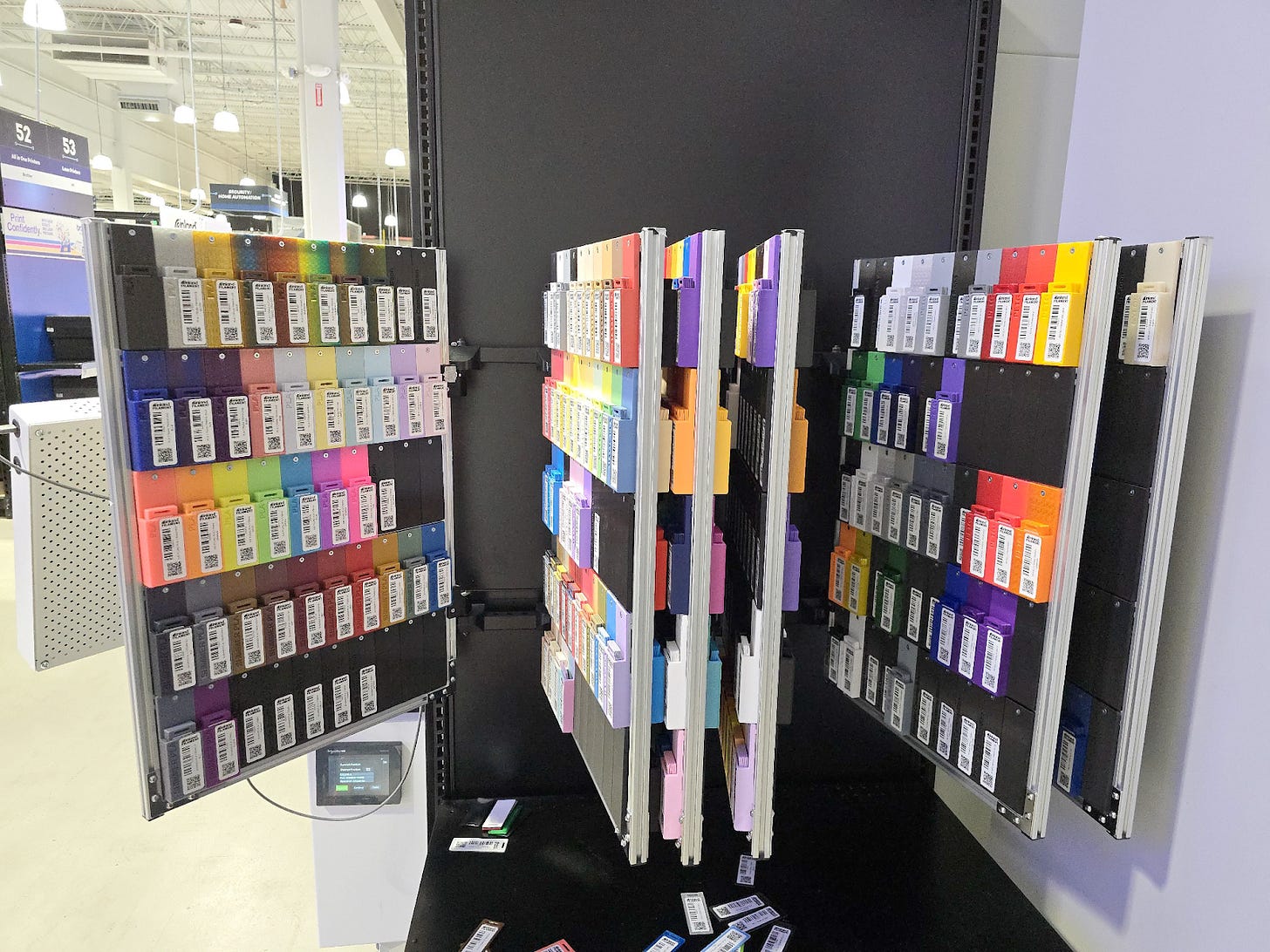
An idea borrowed from the paint-aisle: a few Micro Center stores now have cataloged filament walls filled with 3D-printed swatches customers can flip through.
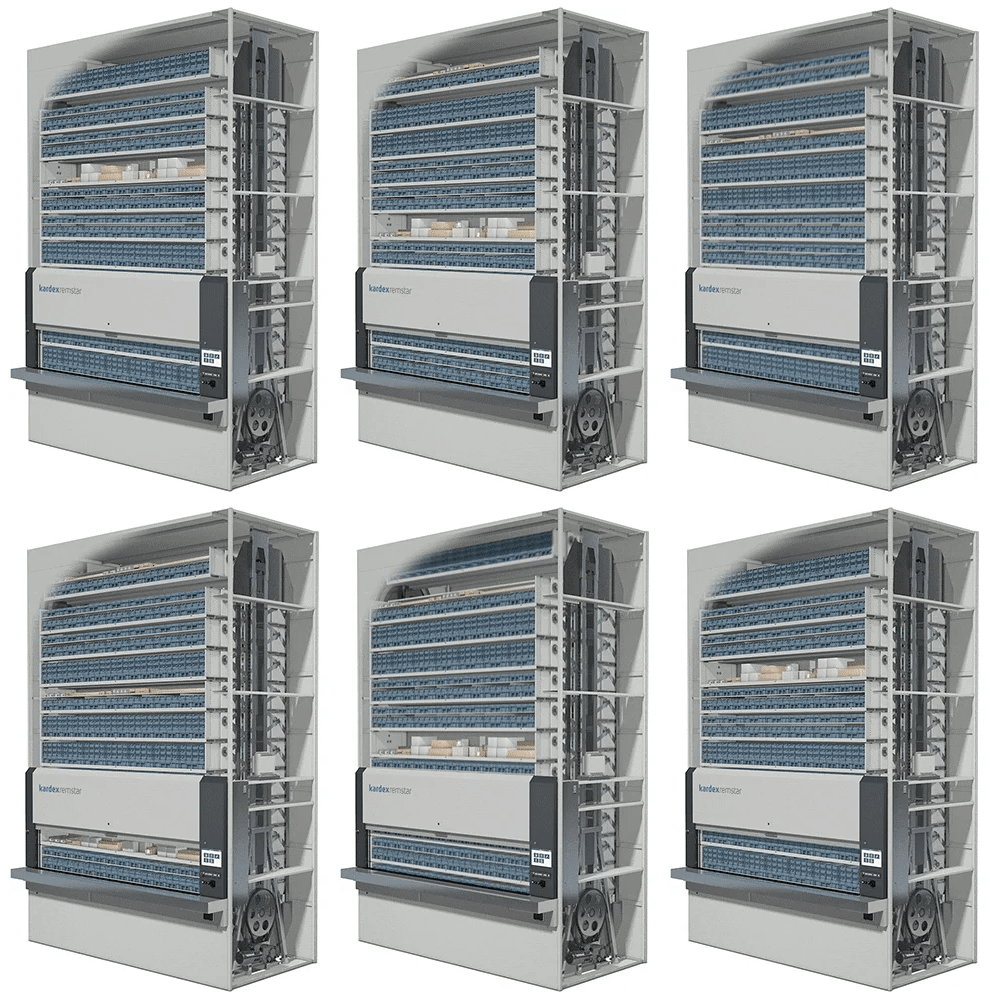
It’s part of a broader filament distribution system where customers can preview the printed filament, grab the desired swatch, and scan it at a kiosk which triggers a Kardex-style vertical carousel in the back to pull up the filament spool. Trays cycle upward on one side and down the other until the machine brings the correct spool to the pick window for staff to retrieve.
More notes on different types of automated storage and retrieval systems; see the Micro Center system in action here.
Interesting Video: How Rockets Are Made
A rare look inside United Launch Alliance’s rocket factory, where Destin from Smarter Every Day walks a camera through the full production line. The tour covers ULA’s Decatur facility in Alabama and shows how Atlas V, Delta IV Heavy, and now Vulcan move from raw material to flight-ready stages.
The conversation at the 9:30 mark is especially interesting on factors of safety used in rocket design, and why launch vehicles can’t rely on the wide margins common in ground equipment. Heavy industrial machines might use safety factors of 7–12, but rockets operate under much tighter limits because any added thickness scales across the vehicle. Adding a thousandth of an inch to a tank wall “is tons on the whole rocket,” which is why structural margins end up in the ~10–20% range.
A factor of safety is really a factor of ignorance. You have a factor of safety because you’re not truly sure what might happen to it in the field, so you give yourself just a little bit more.
Manufacturing & Startup News
More leftovers from our weekly research:
- CoLab raised $72M in a Series C round to expand its AI review platform for mechanical engineering and hardware development teams. The new funding will support additional agents, deeper integrations across engineering tools, and several upcoming partnership launches.
- Infravision raised $91M in a Series B round to deploy its aerial drone system for building and maintaining power grids, with funds supporting scaled operations, expanded U.S. manufacturing, and faster adoption of the company’s robotics system.
- Hullbot raised $16M in a Series A round to advance its autonomous underwater robots for ship hull cleaning and inspection, with funding enabling scaled manufacturing, international service hubs, and system expansions to larger vessels.
- Vulcan Elements secured a $1.4B partnership with the United States government and ReElement Technologies to grow its 100% vertically integrated, domestic rare earth magnet supply chain, enabling 10k tonne/yr NdFeB magnet production by recycling end-of-life magnets and e-waste.
- Modal Motors raised $2M in seed funding to move its non-rare earth electric motors, including hub motors, drone propulsion, and robotic actuators from R&D to U.S. based manufacturing.
- Allie raised $5.2M in equity financing to accelerate its AI food and beverage manufacturing platform’s growth across the U.S. and Latin America. The technology helps factories move from reactive process control systems to autonomous operations.