

This Week’s Highlights
- CNC’ing a Continuous Wave Flag in 4140 Steel 🇺🇸
- An Informal Hardware Handbook 📖
- Embodied AI in an Analog World 🦾
Interesting Links 🏭
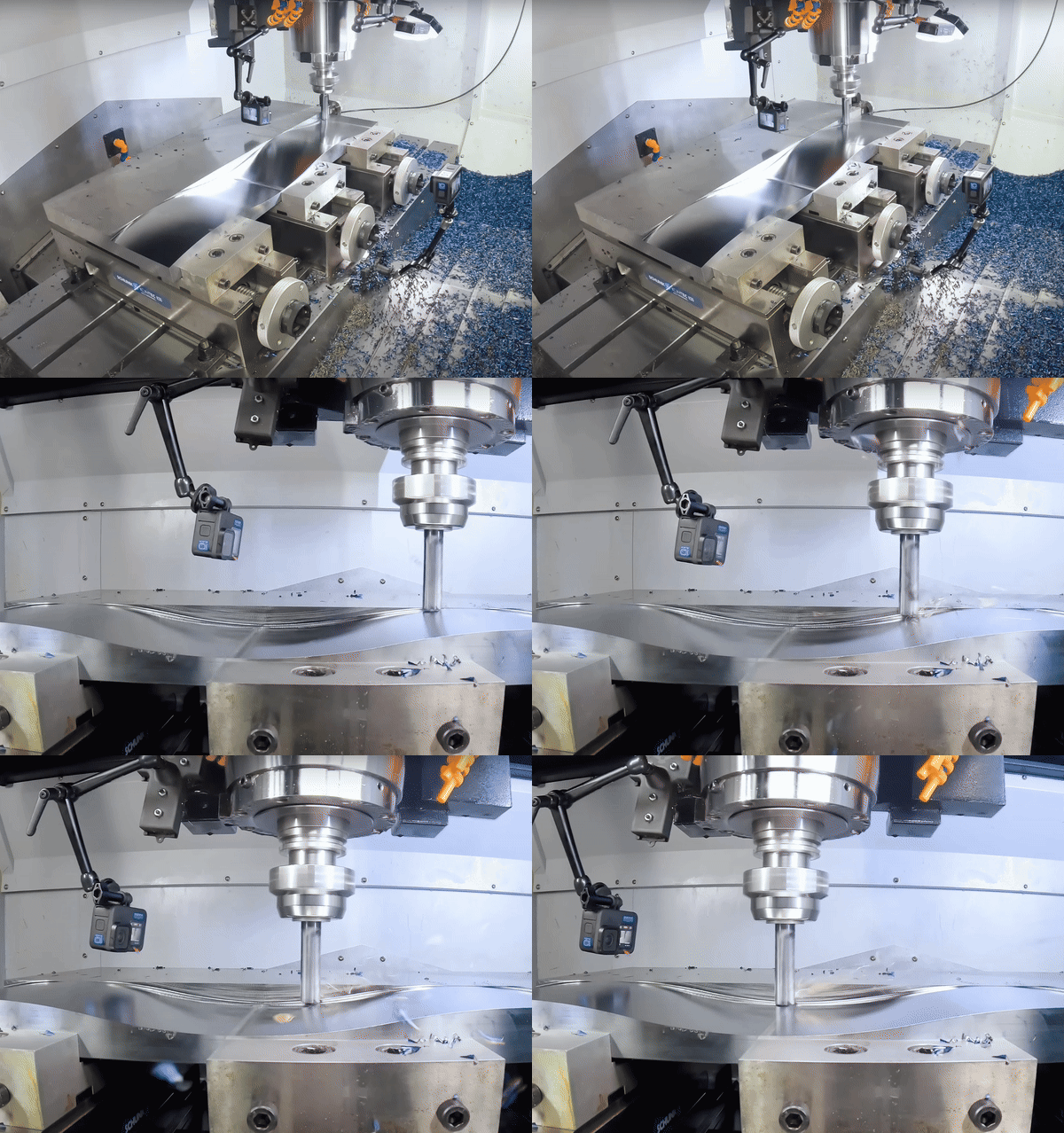
- In the video, Jessie from Titans of CNC machines a part with a continuous wave profile into the most American part we have ever seen. He does this all on a Blohm Planomat XT surface grinder (which he was told could not be done) by using a 150-grit Tyrolit wheel running at reduced surface feet per minute (but increased feed rate to avoid burn marks). After initial struggles with getting the cutter compensation to work properly, he is able to grind the profile with an exceptional finish in what made for an entertaining and informational watch.
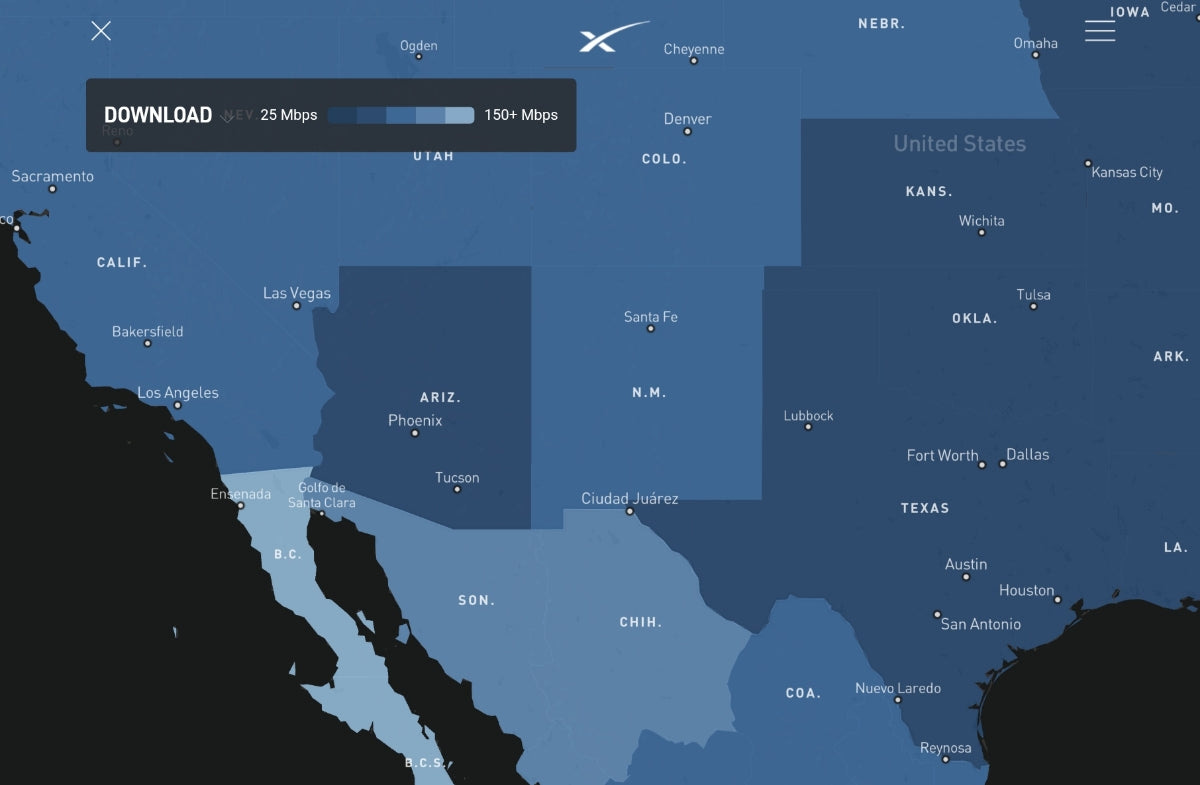
- Starlink Map offers a view into the latency of Starlink’s global internet service. The peak latency average in the US is 35ms, with Starlink’s end goal being <20ms (fiber internet is still faster, with latency ranging from 8-13ms). Latency delays are caused by several factors, including the scheduling of radio links between the satellite and user, propagation delay due to the speed of light, and a laundry list of buffers, pack drops, and processing delays.
- A synopsis of AI in the robotics sector from Seth Winterroth, a partner at Eclipse VC. A 2000x increase in computation power and plummeting costs for Lidar and other sensors have created the atmosphere for a new boom in robotics applications. Despite this, most industries are still predominantly analog: more than 80% of warehouses today have no automation, and only 141 robots per 10,000 manufacturing employees are deployed today. The convergence of mature technology, favorable costs, rising market demand, and a growing talent pool positions ‘embodied AI’ as "the opportunity of our generation".
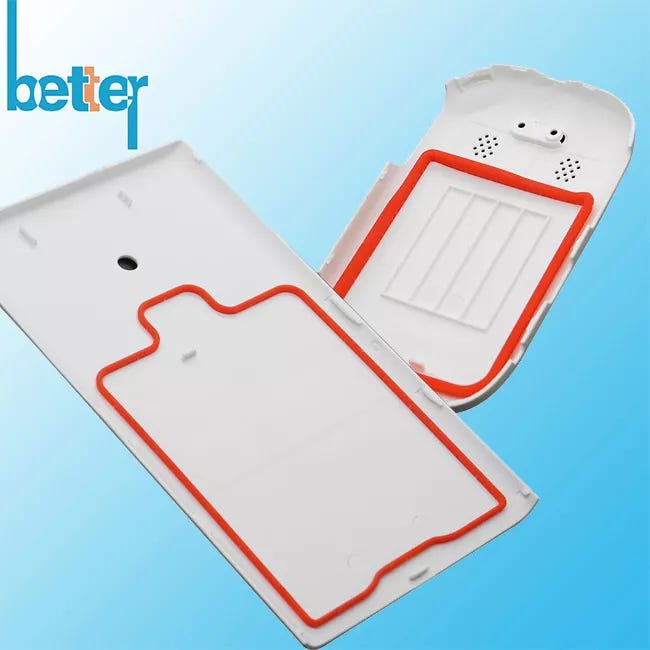
- A $3,000 tool pays for itself after preventing just 15 failures for a $50 product with $200 failure cost. This article from Jiga provides a comprehensive guide on designing waterproof enclosures for electronics, covering key principles like understanding IP ratings (e.g. IPX7 for underwater 1 meter for 30 min), selecting appropriate materials for ingress protection, and optimizing design elements like rounded corners and overmolded gaskets to achieve higher IP ratings like IPX6K or IPX7. Overmolded gaskets are the ideal approach for high-volume production, as it ensures consistent seal placement, allows precise compression for an effective seal, streamlines assembly, reduces quality issues, and can rapidly pay off the tooling investment cost.
- Engineers working on the SR-71 Blackbird spy plane in the 1960s initially struggled with titanium parts corroding. They eventually discovered the issue was caused by chlorine in the water used at the Burbank facility in summer months to prevent algae blooms - chlorine reacts with titanium, so parts welded in summer failed early while winter parts were fine. This led them to switch to using distilled water and removing all cadmium-plated tools.
- The Informal Hardware Handbook is a comprehensive guide created by the informal freelance collective that covers the entire hardware product development cycle across 4 major sections - Foundations, Design, Manufacturing, and Go-to-Market Strategy. It’s a great handbook that provides expert advice from informal's community on building teams, design basics, manufacturing processes, marketing strategies, and more.
- USC researchers have developed a new ingestible that can be located within the GI tract with millimeter accuracy. Position is determined by measuring the magnetic field inside a pill sensor and decoding the result through a neural network to find the exact location inside the twisting environment of the gastrointestinal tract. Full paper available here.
Startup News 🚀
- Despite significant investment in autonomous cars over the last decade, Waymo is the only company to generate early revenue, with annual revenue estimated at $50 million in 2024.
- Raspberry Pi completed its IPO on the London stock exchange. At a price of £3.70, shares are up roughly 30% in what could be a $200M fundraise for the company. Raspberry Pi produces ARM-based microcomputers which are increasingly being integrated into commercial devices.
- EpiSci has been acquired by Merlin. EpiSci develops tactical AI software which can control both unmanned aerial vehicles and fighter aircraft. The work builds upon results from the Alpha Dog Fight trials where AI agents defeated human fighter pilots in simulated combat.
- GuardianRF, a top entrant at the 2024 El Segundo Defense Tech Hackathon has launched as part of the Y Combinator program. The company is developing a handheld drone detection and classification device.
- Albedo will be launching its first satellites into orbit early next year. Funding comes from an earlier $35M Series A back in January Albedo’s first satellite Clarity will collect 10-200cm infrared imagery with plans for a total constellation of 24 satellites.
- Basalt Space is developing a common operating system for space satellites. They recently announced that they will be ‘hacking’ their first satellite to install the OS on a defunct but still orbiting satellite. They have also raised $3.5M in Seed funding from Initialized Capital.
- Apex has raised a $95M Series B co-led by XYZ Capital and CRV. Apex is developing satellite buses which can transport a large number of satellites to their orbits after a single point of departure on the transport vehicle.
General Motors is putting another $850 million into Cruise as the self-driving car subsidiary slowly starts testing again in Phoenix, Dallas, and Houston. GM has invested over $8 billion since acquiring Cruise in 2016. The company reported losses of $3.48 billion in 2023.

Cartographic projection techniques, where a mercator projection (lower right) is the most commonly used as it preserves angles and directions.
