

Interesting Links
- In Speed Can Reindustrialize America, Austin Vernon examines the rise of instant-quote manufacturing startups and argues that collapsing lead times and soft costs is the most practical, capital-efficient way to make low-volume U.S. manufacturing competitive again. If you haven’t run into one of these yet, think of a shop (a vertically integrated manufacturer, not a broker network) where you upload a CAD design and the file flows straight into a fully digitized production pipeline. His key argument is that instant-quote manufacturers win by attacking the structural bottlenecks in low-volume production, and in practice the playbook looks fairly consistent. Pick a niche where quoting is painful, make it trivially easy to upload a design and buy the part, tie customer files directly into production planning, then expand outward as volume and data accumulate. Once the loop is fully digitized, the gains compound (faster turnaround, better pricing, higher utilization), and the business starts to win simply by being easier and quicker to use.
- Also interesting to note: early pioneers in the space started with laser cutting and bootstrapped with traditional equipment loans as the only outside capital; laser cutting is easier to automate with simpler file formats (2D DXF files) and the end products are simple cut parts. Variants of the approach are already appearing in more specialized categories, from control panels to wire harnesses.
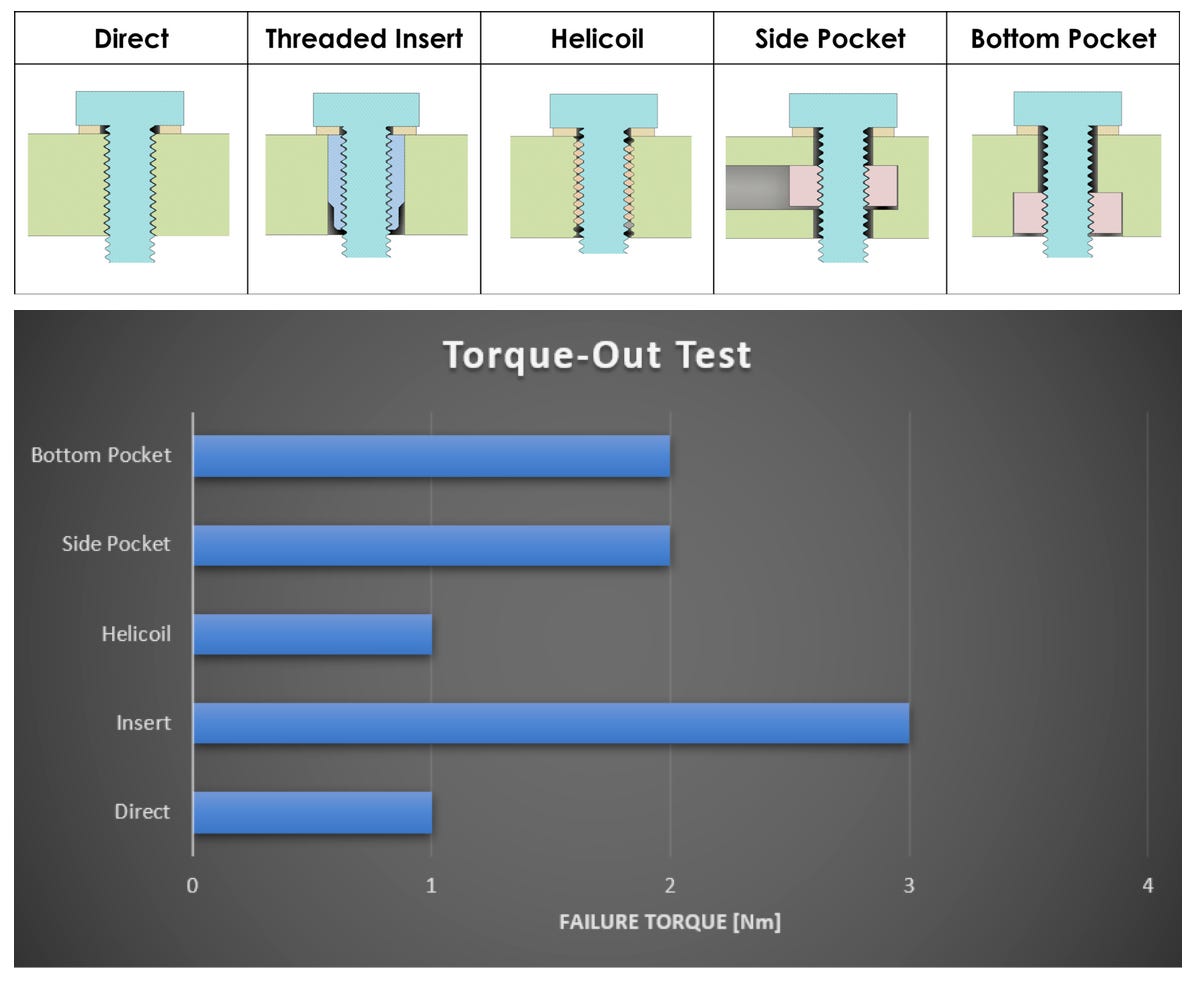
- Every bolted joint starts with a screw and a matching thread, so the natural question is: what thread implementation works best in soft plastics? This article looks at a hands-on comparison of common approaches, measuring torque-out and pull-out strength to see how each implementation performs in practice. For context, there are four common ways to add threads to plastic parts: direct threading (cutting threads straight into the plastic), heat-set inserts (melted-in brass inserts), helicoils (wire-thread inserts installed into tapped holes, also used to repair stripped aluminum threads), and captive metal nuts. From his tests on 3D-printed plastics, heat-set inserts come out as the most dependable option for reusable threads, captive nuts deliver the highest pull-out strength when properly supported, and helicoils surprisingly don’t add much margin in soft plastics.
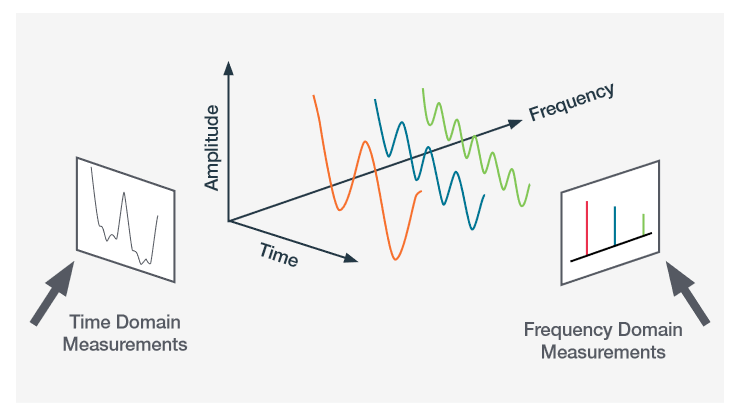
- Two reference guides on spectrum analysis for anyone working with RF: Keysight’s Spectrum Analysis Basics (AN150) is an application note that covers the fundamentals of how spectrum analyzers decompose time-domain signals into their constituent frequencies via Fourier transforms, and why that matters—primarily for preventing interference with neighboring bands, identifying wasted radiation, and checking for distortion. For anyone shipping a product with intentional or unintentional RF emissions, this is the territory you’ll encounter during regulatory testing in an anechoic chamber. Siglent’s Complete RF Signal Analysis Guide goes deeper for those who want it. Not the lightest read, but a great pair of resources for those deep in the weeds with RF.
- GPS sits at 20,200 km so multiple satellites are always in view; weather satellites like GOES sit in GEO at 35,786 km for a constant hemispheric stare. In How to Pick an Orbit, this is the core lesson: the mission picks the orbit, and the orbit locks in everything downstream from satellite design, rocket, ground segment, and even the business model. He quantifies the regimes (GEO buys ~40% surface coverage at 500+ ms latency; LEO gives 10–40 ms round-trip but only ~1–2% coverage per satellite). One standout section covers the Soviet Molniya orbits; because GEO was impractical from their launch geography, Soviet engineers chose highly elliptical paths that dwell over the northern hemisphere for 8+ hours. With three satellites phased correctly, those orbits could provide continuous regional coverage over a full 24 hours.

- In Cy’s Guide to Better Business Writing, Cy Sack (a former Green Beret now leading business systems at Anduril) frames writing as a literal cost driver to maximize information signal-to-noise in every form of communication. His heuristics for writing are straightforward: reduce draft size by 33–50%, replace weasel words with actual metrics, and say the important thing first. These principles mirror the model Axios built its entire news business on, Smart Brevity. He’s also got a strong companion piece on org. structure, or more aptly put, A Field Guide to Fighting Organizational Rot. Conflating process with progress is a sign of mediocrity. Both links aren’t strictly engineering, but are relevant to any high-performing team.
- And one fun link to round out the week:
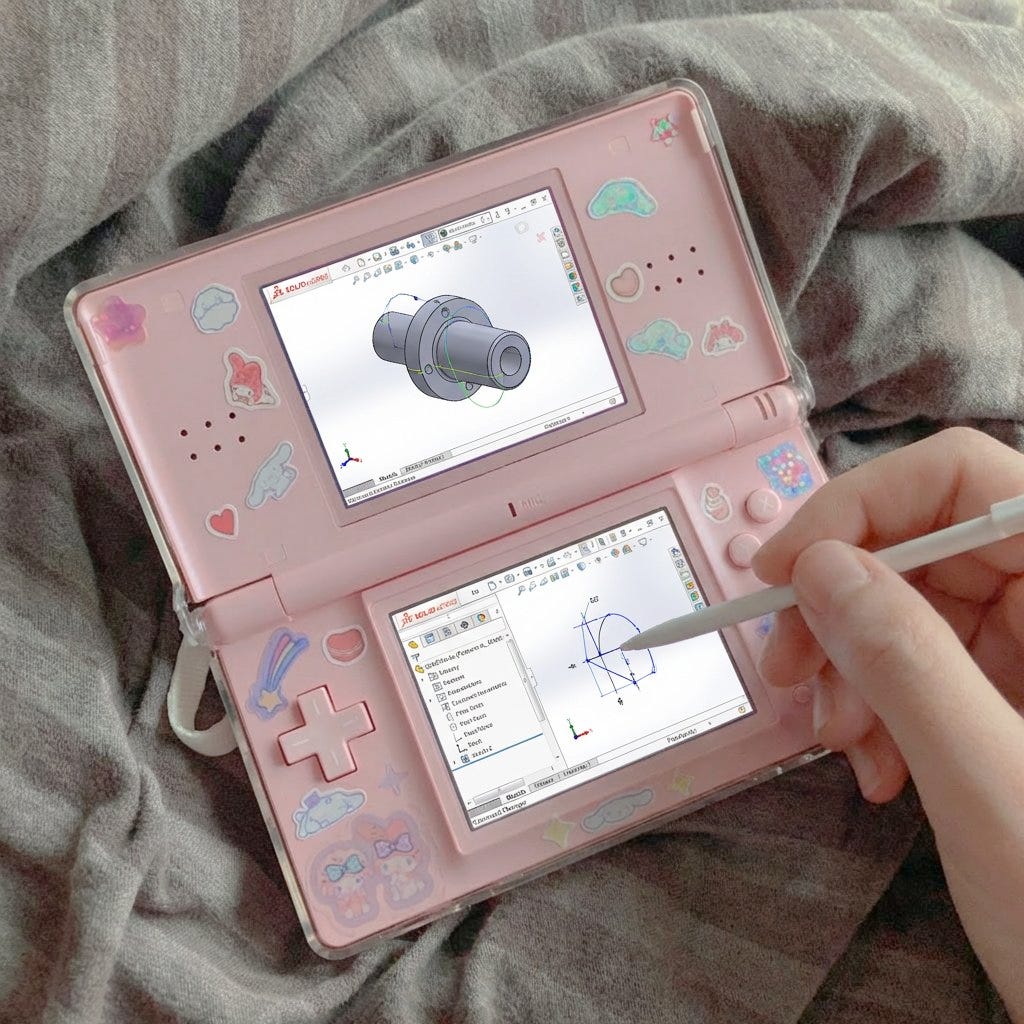
- A mockup of running SolidWorks on a Nintendo DS. Technically the hardware already exists in devices like the AYN Thor; this seems like a waiting-to-happen viral project.
Founders Table by Initialized Capital
Initialized Capital is hosting a curated founders dinner in El Segundo on February 25, bringing together five portfolio founders and thirty of the top builders across space, robotics, and defense. If you’re excited about new developments in frontier tech and exploring early-stage startup ideas, apply to attend.

Startup News
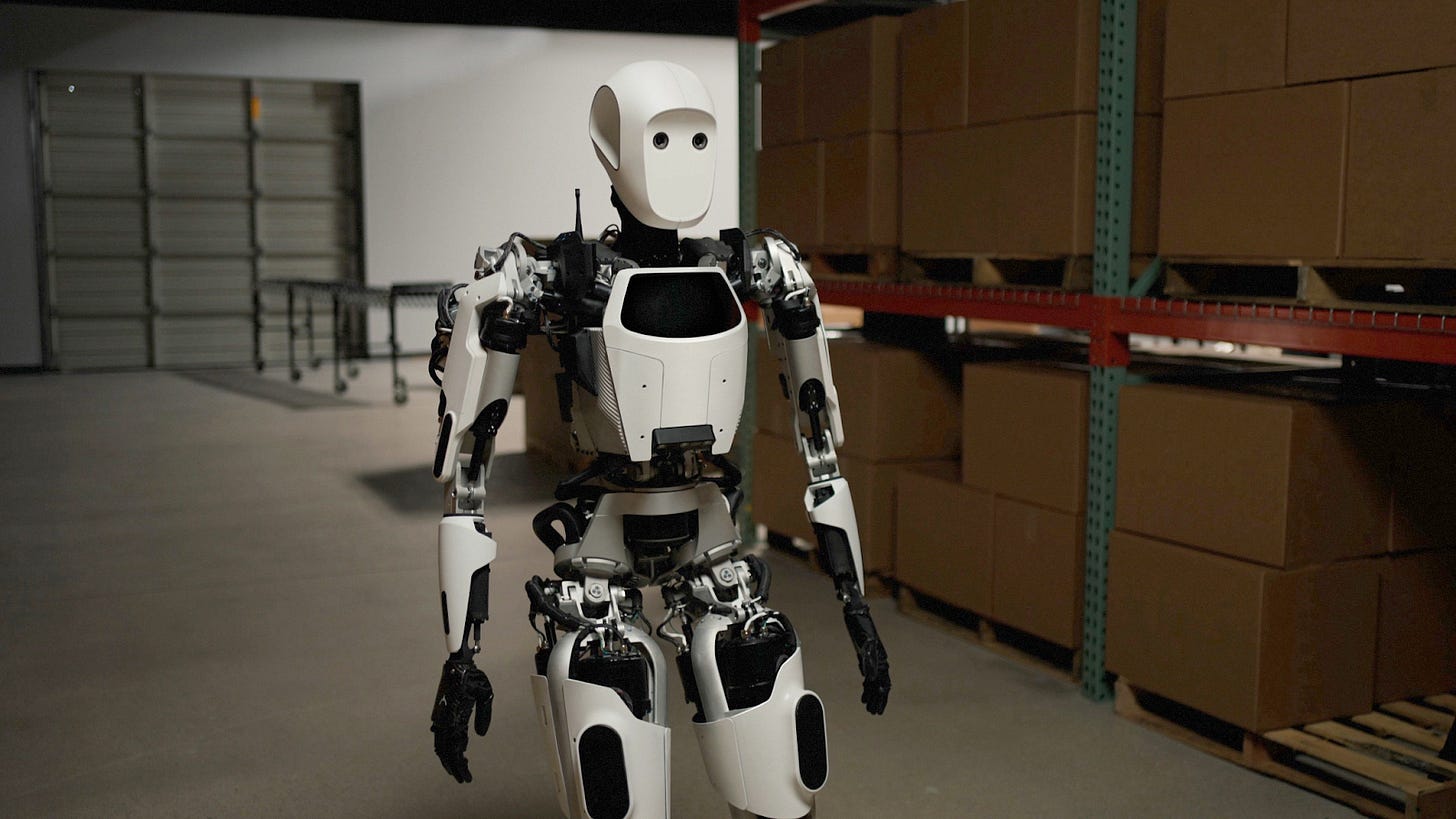
- Apptronik raised a $520M Series A-X funding round, bringing its total capital raised to nearly $1B to scale production of its Apollo humanoid robot. The company plans to expand manufacturing capacity, increase commercial and pilot deployments in logistics and manufacturing environments, and invest in dedicated robot training and data-collection facilities. Repeat investors include B Capital, Google, and Mercedes-Benz alongside new strategic backers from telecom, agriculture, and sovereign capital.
- Integrate raised a $17M Series A round to expand its secure project management platform built for defense and classified government programs. The Seattle-based startup recently secured a $25M, five-year contract with the U.S. Space Force and plans to expand across other branches of the U.S. military, as well as the contractors that support them. The round was led by FPV Ventures.
- Allonic, a Budapest-based startup, raised $7.2M in a pre-seed round to develop its robotic manufacturing system based on “3D Tissue Braiding.” The company’s process builds robot bodies by creating a skeletal scaffold, weaving load-bearing fibers around it and integrating components during fabrication rather than multi-part assembly. The system is designed to produce compliant robotic structures in a single workflow. The round was led by Visionaries Club.
- Lunar Energy raised $232M across previously unannounced Series C and D rounds to scale its residential battery systems and virtual power plant software. The company builds modular home battery packs in 5 kWh increments, typically deployed in 15–30 kWh configurations, and aggregates them to supply power back to the grid or manage household demand. Lunar plans to expand manufacturing to 20,000 units by year-end, targeting 100,000 units annually by 2028. The rounds were led by Activate Capital (Series C) and B Capital and Prelude Ventures (Series D).
- Stoke Space raised a $350M extension to its Series D round, bringing the round to $860M as it prepares for the inaugural flight of its Nova rocket. Nova is designed as a fully reusable launcher, with the first mission targeting orbit and higher-energy trajectories. The company did not disclose investors in the extension.