

👋 Happy Saturday! This week’s edition covers a breakdown of tolerance capabilities across different manufacturing processes (and why most engineers lack intuition for tolerances), a chart on PCB failure modes and multi-layer board realities, and a look at what “space manufacturing” means in micro-gravity.
Interesting Paper: The Numbers on Tolerance Capabilities
Typical Tolerances of Manufacturing Processes is a short but high-leverage resource that every engineer should read once and then keep bookmarked forever. It covers a set of slides on common manufacturing processes and the tolerance ranges typically associated with each, tolerances as a function of component size, and achievable surface finishes for each process.
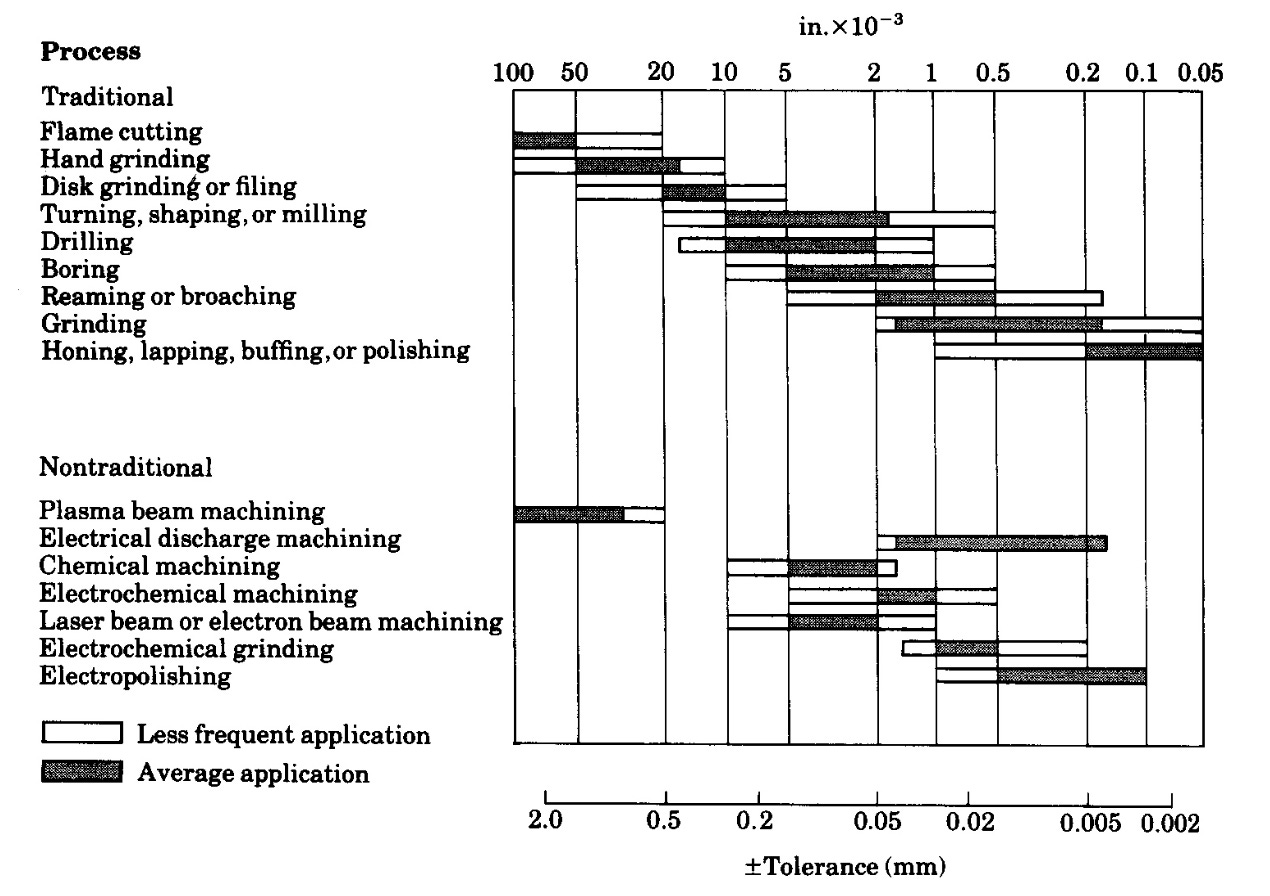
The unshaded portion reflects edge cases: either pushing the process to its limits on the right (requires tight process control, skilled operators, well-maintained equipment), or running it far looser than necessary on the left — which usually means you’re paying for more process capability than the part requires.
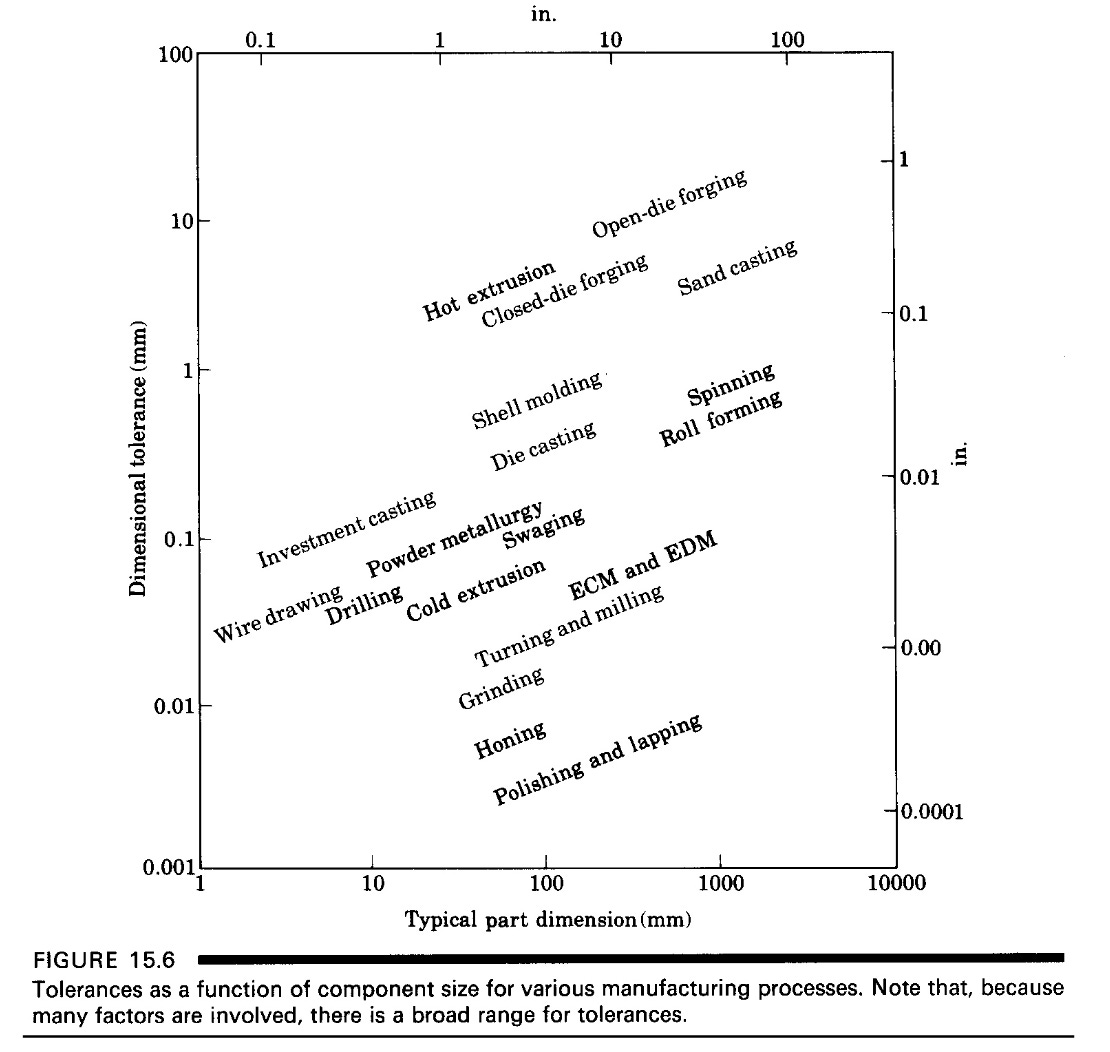
A recurring phenomenon the author notes, and one we’ve seen firsthand, is that engineers graduate fluent in CAD software but without a grounded intuition for tolerance values. However, despite knowing how to put a tolerance on a drawing, most students generally had no idea what the actual numbers should be, or any sense of what the process for selecting reasonable tolerances might consist of.
Kinetic Announcement: The State of (Mechanical) Software Engineering
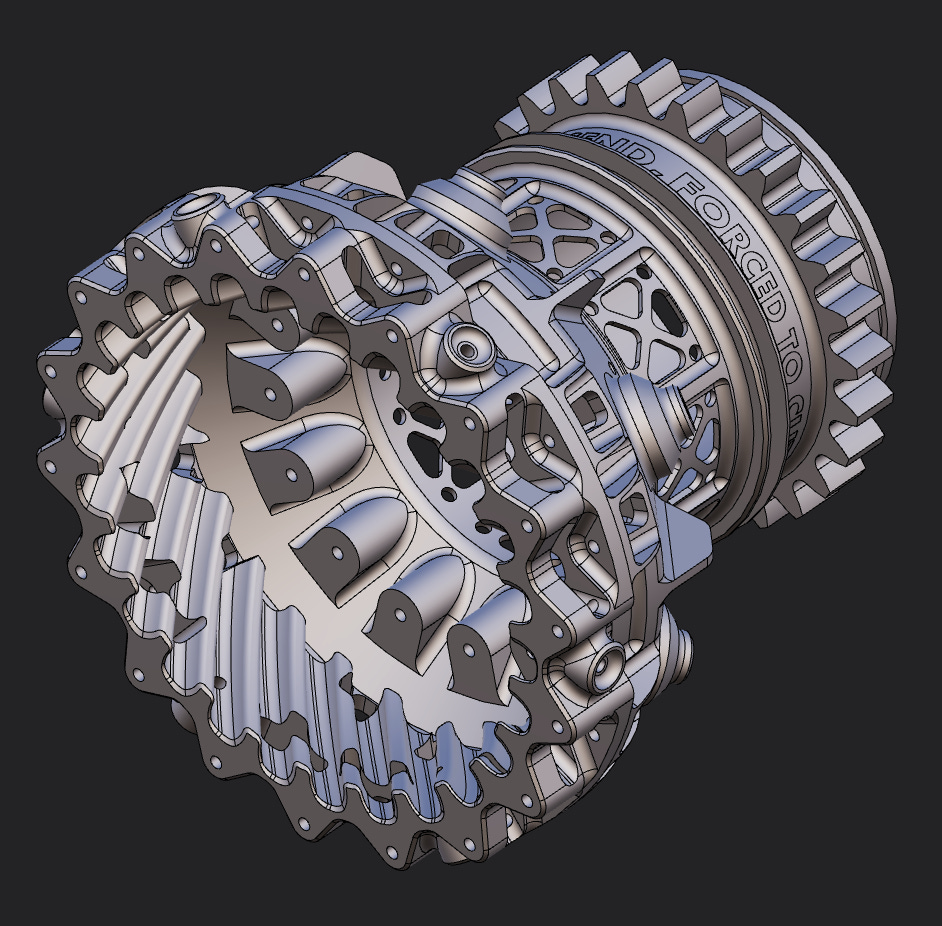
IYKYK — he’s also the engineer behind the infamous SendCutSend CNC torture test.
Interesting Chart: Common PCB Failure Mechanisms
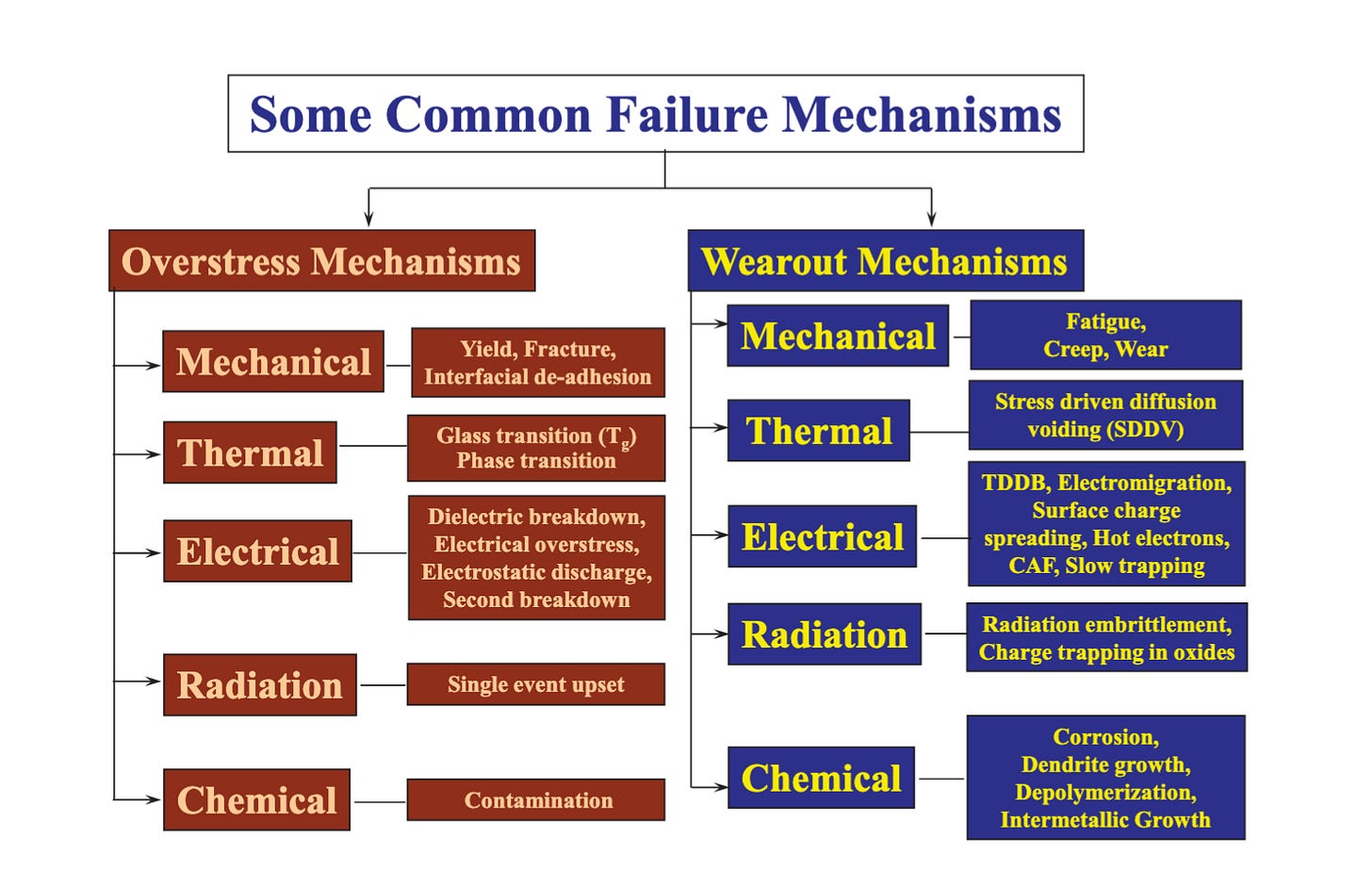
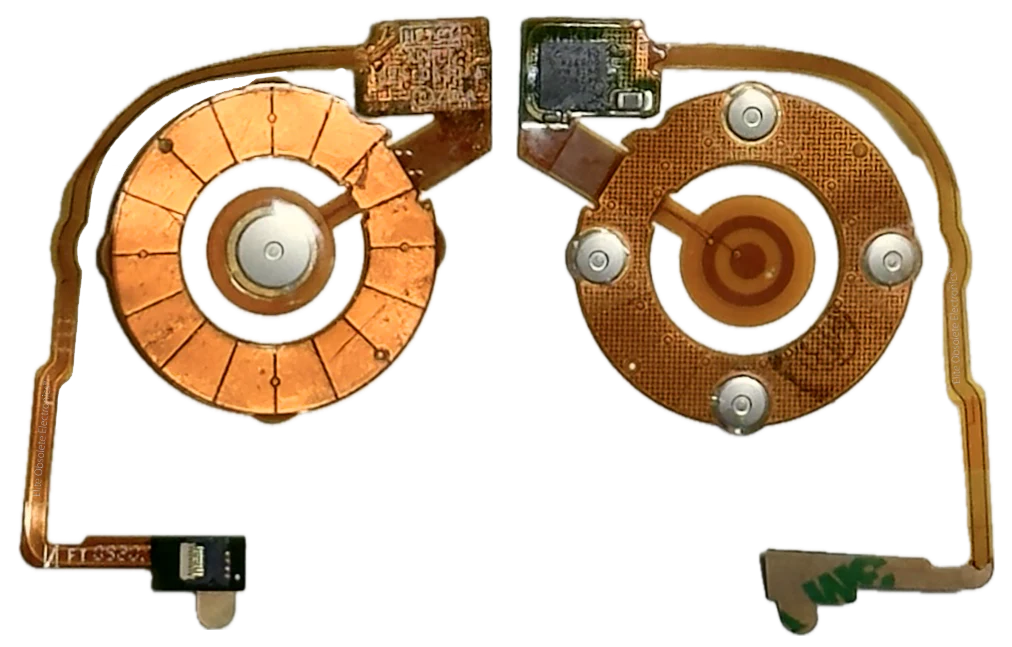
Another chart, this time on common failure mechanisms in printed circuit boards related to wearout and overstress conditions. The main logic boards in smartphones and motherboards are typically multilayer stackups in the ~6–12 layer range (with high-end or specialized designs extending beyond that), while flex circuits are commonly 1–2 layer constructions built on polyimide film.
Interesting Video: What Exactly is Space Manufacturing?
Resident internet rocket scientist Scott Manley walks through what companies like Varda Space are doing in orbit, and why microgravity (not zero-gravity) is the operative term. Objects in orbit are still under Earth’s gravity; they’re just in continuous free-fall. That subtle distinction matters, because space-based manufacturing hinges on allowing researchers to study and exploit diffusion-dominated crystal growth and solidification.
Companies like Varda are extending early crystal-growth experiments from the ISS into pharmaceutical development. Their model centers on in-space manufacturing in microgravity, using a re-entry capsule to process materials in orbit and return them to Earth.
Beyond pharmaceuticals, early research applications include semiconductors (bulk crystal growth for materials like gallium nitride), optical fibers, and any application where removing gravity-driven phase separation can produce high-value materials.
Manufacturing & Startup News
More leftovers from our weekly research:
- Amca acquired Electrocube, a California-based aerospace power electronics supplier and long-time Boeing partner, adding flight-critical power electronics components as it continues rolling up legacy suppliers.
- Tangible raised a $4.3M seed round to build software for structuring and managing debt facilities for hardtech companies, aiming to unlock earlier access to private credit for asset-heavy startups.
- Inertia Enterprises, co-founded by Twilio’s Jeff Lawson, raised a $450M Series A round to commercialize laser-based fusion, aiming to turn Lawrence Livermore’s NIF breakeven experiments into a grid-scale power plant and begin construction around 2030.
- Symbotic acquired Fox Robotics, an Austin-based autonomous forklift startup with 100+ units deployed, expanding into dock and pallet-movement automation as it deepens its footprint in warehouse material handling.
- Siemens acquired Canopus AI, a startup developing AI-driven computational metrology and inspection software, expanding its EDA portfolio deeper into wafer and mask process control.