

👋 Happy Saturday! This week’s highlights include a chart on California’s grid mix and the rise of utility-scale batteries, a video teardown of how impact drivers use a ball-and-cam mechanism for torque spikes, and musings on a typical career curve.
Interesting Chart: Where California’s Electricity Comes From

Grid operators publish real-time generation by source (California, Texas, Midwest, Mid-Atlantic, etc.) on sites like GridStatus which makes the U.S. grid easier to follow. One thing you might not know: California’s battery fleet grew from 500 MW in 2018 to ~16,000 MW in 2025, where solar now covers most midday demand and batteries carry close to 30% of the load at their daily peak.
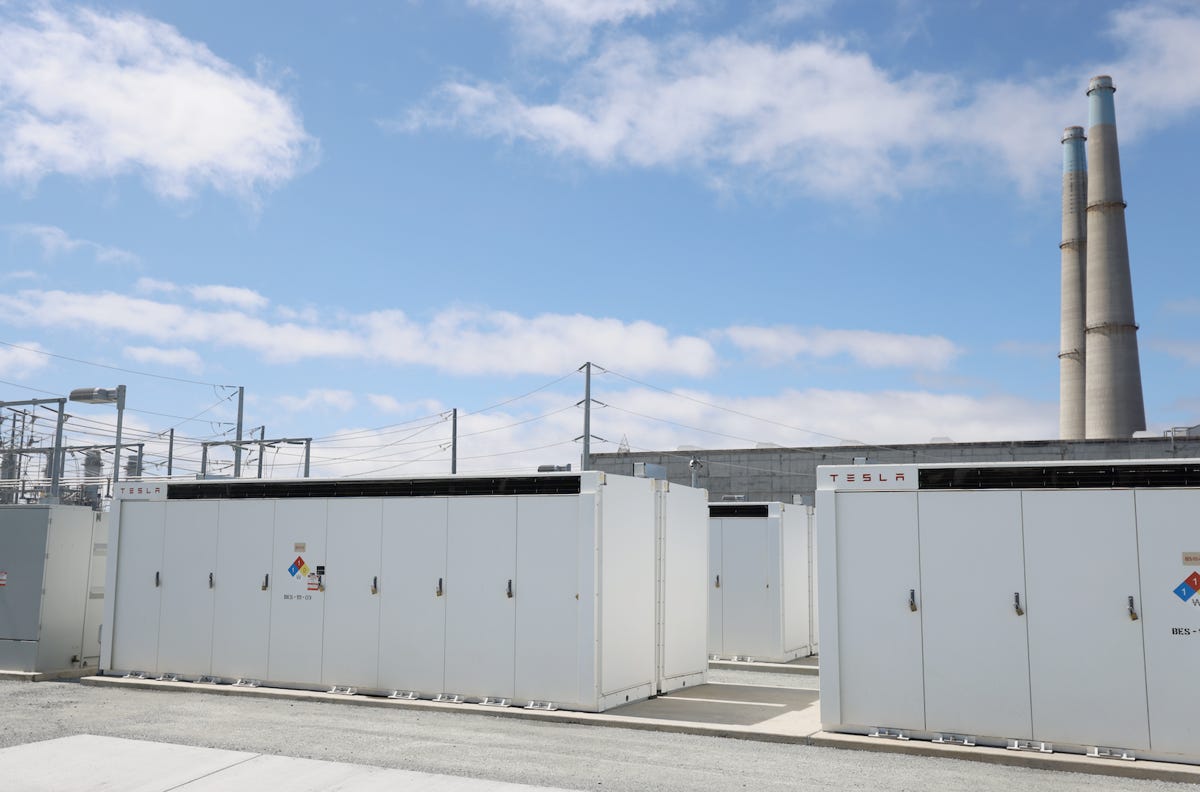
The batteries used here are utility-scale, front-of-the-meter battery energy storage systems (BESS) tied directly into substations. “Front-of-the-meter” means the interconnection is on the utility side of the customer meter, so they can be dispatched like conventional generation. They charge on midday solar oversupply and discharge into the bulk grid during the steep evening ramp. The fleet is almost entirely 4-hour lithium-ion (~70% LFP, ~30% NMC), and in practice now covers the same short-notice demand swings that ‘peaker plants’ gas turbines once handled.
Interesting Video: How Impact Drivers Work
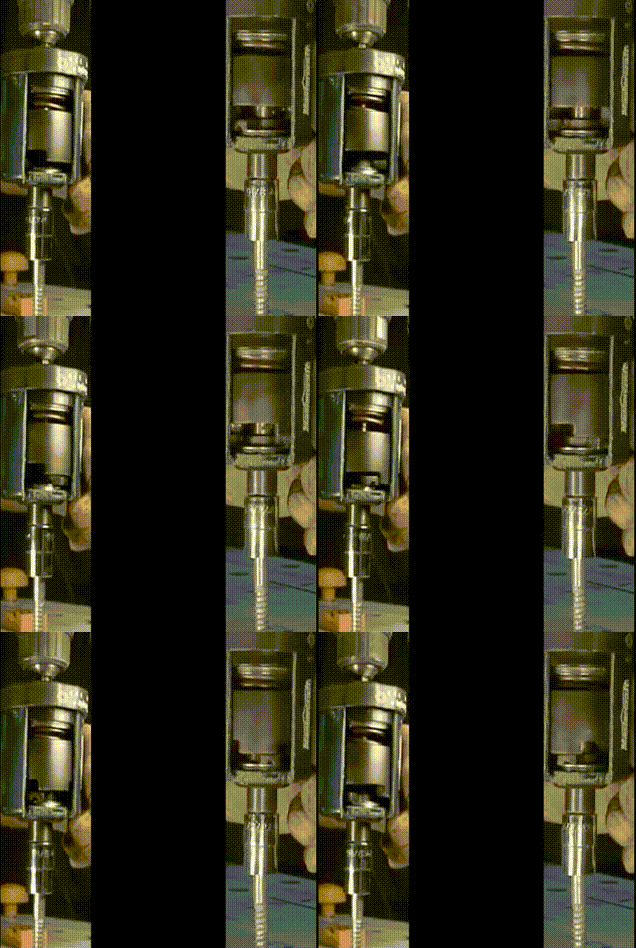
For stuck bolts or long screws that start to strip before seating, more torque isn’t the answer — impact is. Impact drivers and wrenches use the same principle: a hammer-and-anvil mechanism that stores rotational energy, then releases it in torque spikes.
The first half of the drivetrain is a brushed or brushless DC motor spinning at high speed, often 20,000 rpm or more. Brushless designs are typically preferred for efficiency, but both types serve the same role of generating high speed. The second half converts that speed into usable torque through a planetary gear reduction (typically ~11:1 to multiply torque) and the impact mechanism:
- Ball-and-Cam Mechanism: At light load the hammer spins freely with the motor, driving like a drill. When resistance builds, the hammer binds against spring tension, climbs a cam track, and then snaps forward.
- Anvil Dogs: The hammer strikes lobes (“dogs”) on the anvil, releasing stored energy as a torque spike into the socket. After impact, the hammer recoils, rotates to the next dog, and repeats often at hundreds or thousands of times per minute.
Interesting Photo: Musings on a Typical Career Curve
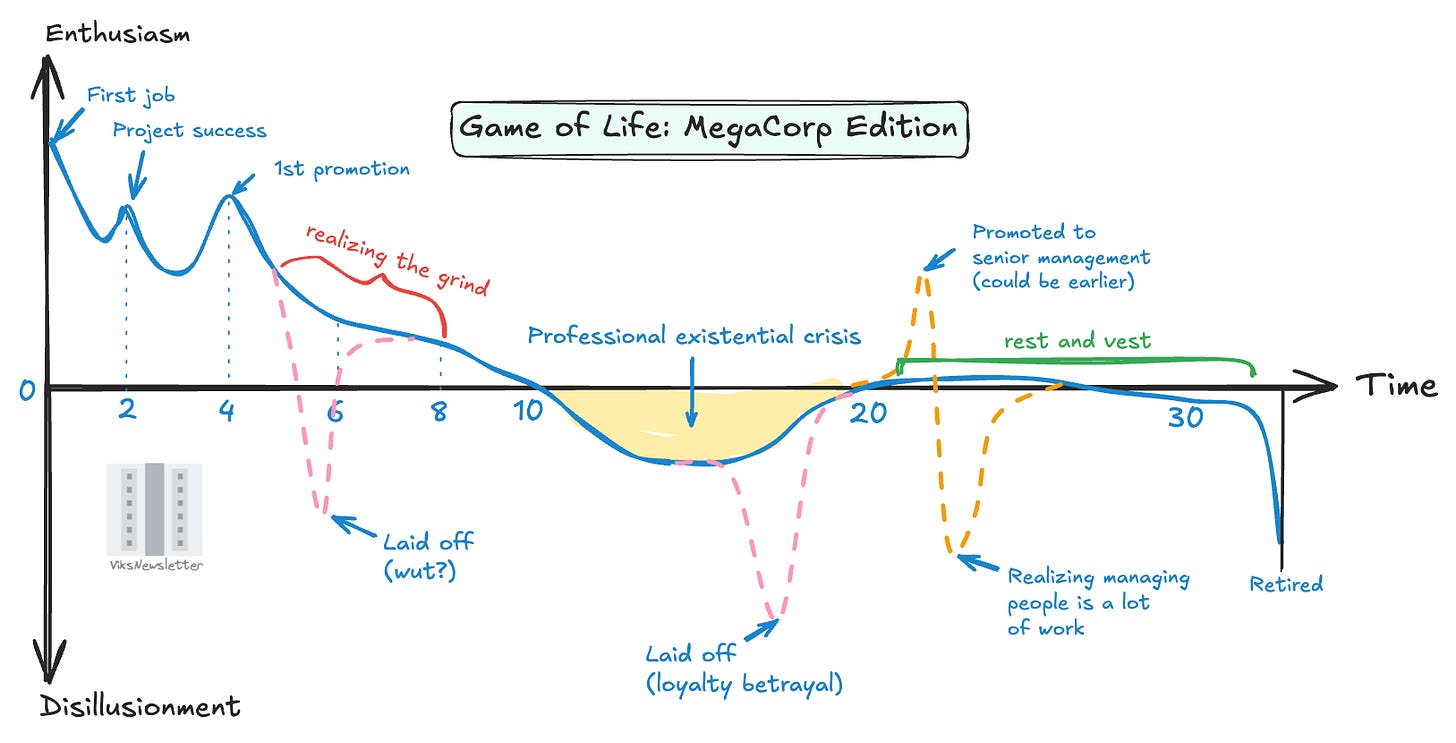
From Vik’s Newsletter: How to Escape the Corporate Rut for Midcareer Chip Engineers. A bit more philosophical than what we usually cover and while the framing is for chip engineers, the lesson applies everywhere: careers move as long as you keep learning.
Manufacturing & Startup News
More leftovers from our weekly research:
- UBTech Robotics secured up to $1B in financing from Infini Capital to scale humanoid production. The deal includes a joint venture for a Middle East “superfactory,” R&D center, and regional headquarters aimed at lowering costs and accelerating deployment. UBTech’s robots are now in factory trials with testing partners that include BYD and Geely.
- Offgrid Energy Labs raised $15M in Series A funding to scale its zinc-bromine battery system that offers longer lifespan and lower costs than lithium-ion for stationary storage in renewable energy applications.
- Toolpath secured a strategic investment from Autodesk to advance its AI-driven CAM software that optimizes toolpaths and tool selection for machining operations.
- Aurelius Systems raised $10M in seed funding to develop an autonomous laser platform for neutralizing drone threats, focusing on defense hardware integration and rapid response systems.
- Interroll acquired Dutch startup Sortteq to integrate its modular chain-belt sorter technology, enabling higher throughput configurations up to 10k parcels per hour for material handling in logistics and e-commerce sectors.