

Tomorrow’s workshop is on factory site selection (the unglamorous but essential question of where to build). Expect real frameworks, case studies, and a fun discussion!
Interesting Links 🏭
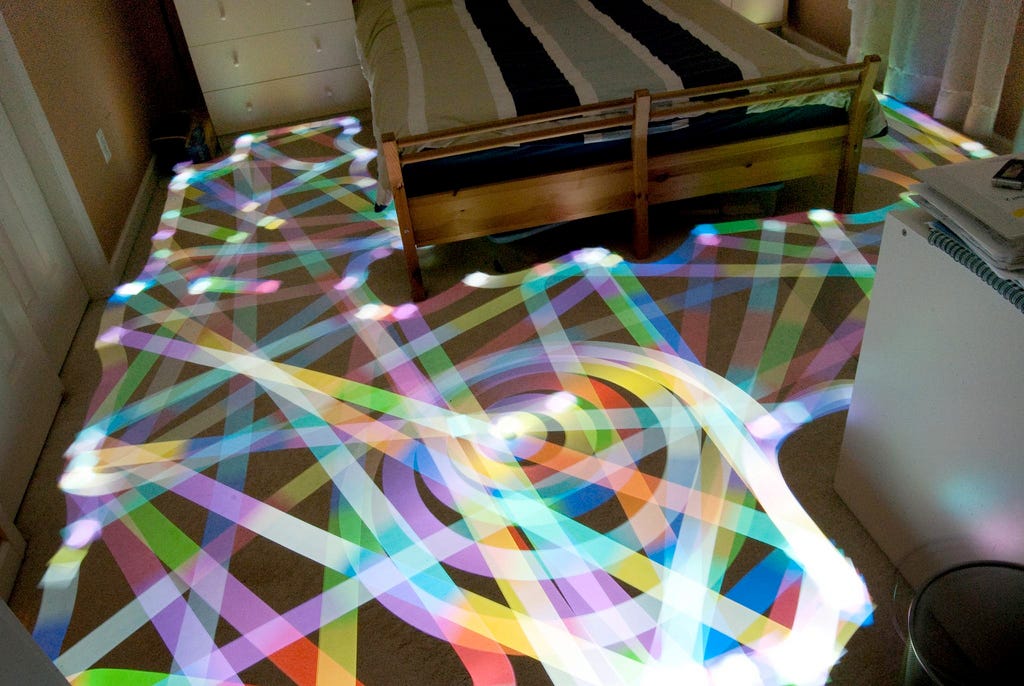
- Before humanoid robots, the first real consumer robots were vacuum cleaners on wheels. iRobot’s Roomba launched in 2002 and sold over two million units within its first few years not because it was smart, but because it worked well enough to feel that way. The first generation of robot vacuum cleaners followed simple behavior-based algorithms like spiraling outward to find nearest boundaries, bumping into obstacles, and switching to random or wall-following patterns to cover space without ever building a map. Modern robot vacuums are much more advanced with a variety of optical sensors like LiDAR/cameras and SLAM algorithms to map rooms, but it’s remarkable how effective early versions were with little more than bump sensors, IR detectors, and a bit of probabilistic logic to fake ‘intelligence.’
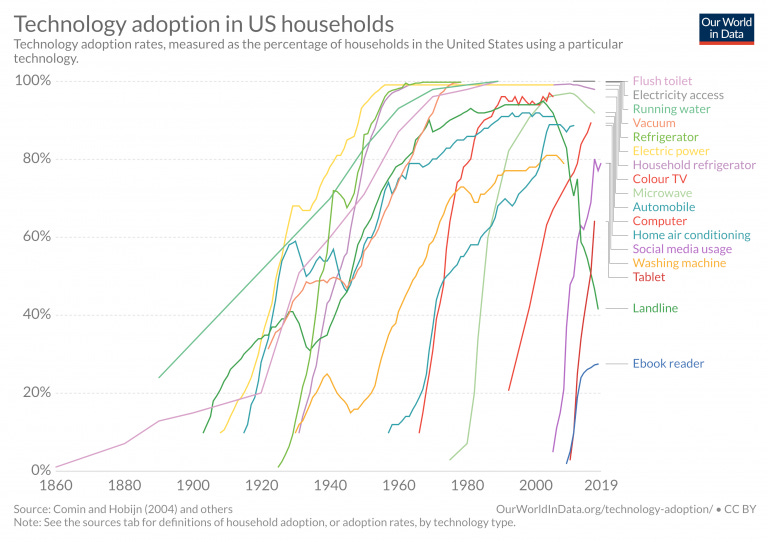
- A look at how U.S. households adopted new technologies from 1860 to 2019. Adoption happens much faster today than it did in the 20th century in many parts due to pre-existing infrastructure, though expensive technologies (or those with cheaper substitutes like automobiles during the Great Depression) often see adoption stall during downturns.
- Interesting to note: robot vacuum cleaners have reached 22% of total U.S. household adoption and 5.6% in China after two decades on the market, according to Euromonitor data.
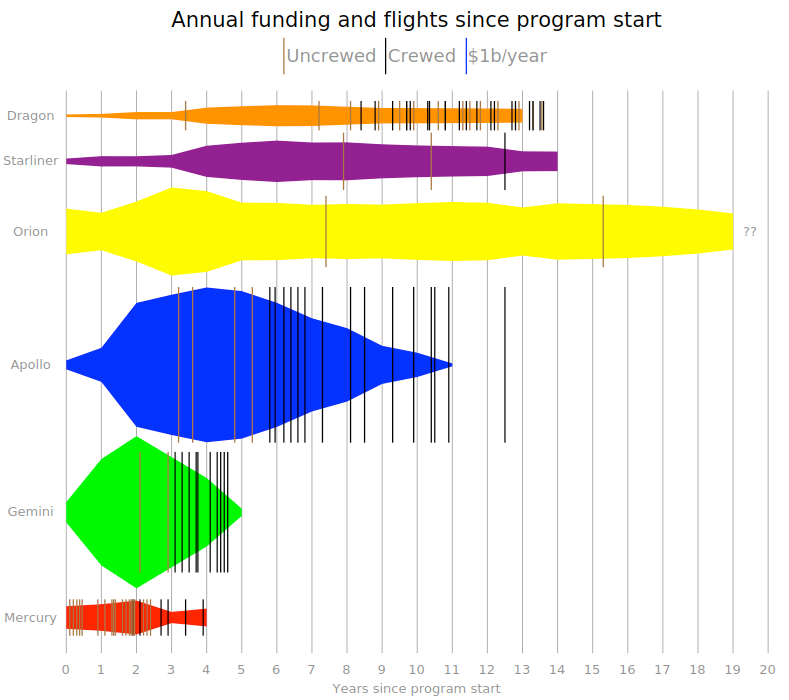
- A scathing critique from Casey Handmer’s recent post on NASA’s Orion capsule and Space Launch System (SLS) program, which after two decades and tens of billions in funding has produced just two flights. Orion is NASA’s next-gen crew capsule built by Lockheed to send astronauts around the Moon as part of the Artemis program, and SLS is the massive rocket meant to launch it. Both trace their roots back to the canceled Constellation program in the mid-2000s, and after years of redesigns and delays, they’re now competing with cheaper, commercial systems like SpaceX’s Starship derived plans. To gently put it, the author calls it an overbuilt, overweight, and outdated program that still can’t complete a lunar mission.
- The chart below plots years since program start on the x-axis, with ribbon width showing annual spending (~$1 B per slice) on the y-axis.
- We won’t get solar roads, but there’s a chance for wireless charging on highways. France recently demonstrated a 1.5km section of highway on the A10 motorway that can achieve a 200kW average charging rate speeds up to 130 km/hr. A variety of vehicles were able to traverse the section with the company Electreon’s proprietary coils on the bottom of their vehicle and emerge on the other side with a net surplus of power (charging the battery on top of the work needed to drive). The project builds on earlier dynamic wireless charging pilots like ones in Detroit and broader Europe, but this appears to be the first full-scale test on an active highway.
- 1X recently announced NEO, a household humanoid that went viral last week—though most of what we’re seeing is still human tele-operation. Early adopters can reserve one for $20,000 (or $499 per month) with delivery in 2026, but much of the heavy lifting will still be done by a remote operator through the robot’s cameras. The company’s strategy leans on tele-operation as a way to collect data and train toward full autonomy. From CEO Bernt Børnich: “If you buy this product, it’s because you’re OK with that social contract. If we don’t have your data, we can’t make the product better.” Of the major humanoid robot startups, 1X has raised ~$125M to date and is reportedly targeting up to $1B in its next round.
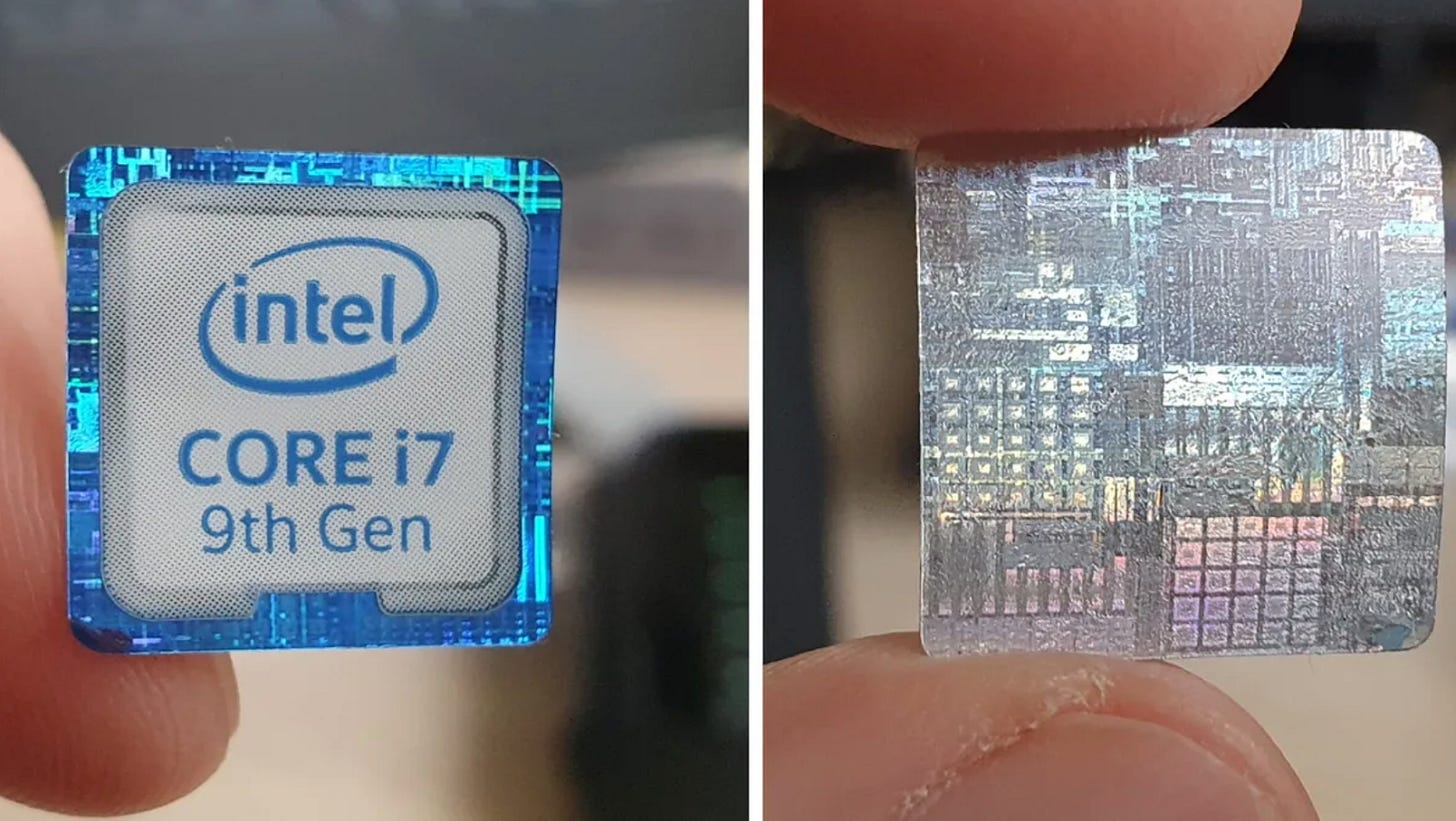
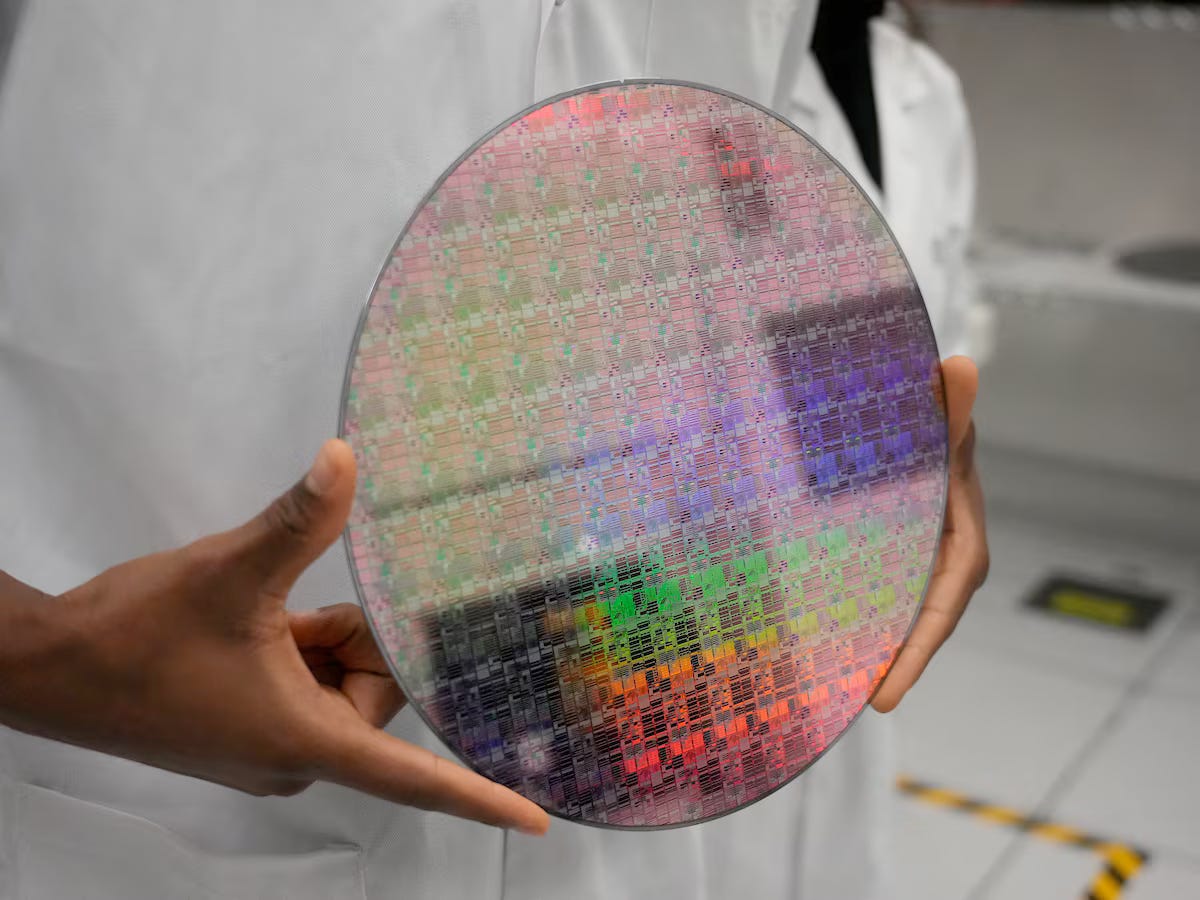
- In one of the coolest Easter egg traditions, Intel used to print holographic images of its CPU die layouts on the adhesive backs of the “Intel Inside” stickers that came with processors.
- Matic Robots appears to be assembling what can only be described as an intern army of production operators.
A couple fun links:
Startup Spotlight: Dirac, Work Instructions Automated
Dirac has built the first 3D automated work instructions platform, keeping factories humming throughout America. Used across complex assemblies, Dirac can:
- Generate 3D work instructions from CAD in minutes
- Plug into your PLM (Teamcenter, Windchill, 3DEXPERIENCE) via secure APIs
- Prove ROI with 90–95% reduction in WI authoring time and 33% reduction in build time
Fewer meetings. Fewer reworks. Faster ramp. Explore Dirac 👇

Startup News 🚀
- Substrate, a U.S. semiconductor startup, has raised $100M in a Series B funding round at a valuation exceeding $1B to develop an advanced X-ray lithography tool for chip fabrication. The technology enables printing of 2nm node features and smaller in a single exposure, matching the resolution of EUV systems while drastically cutting tool costs below the $400M+ price tag of ASML’s equivalents. The round was led by General Catalyst. Launch video here.
- Bild raised $9M in funding to expand its cloud-based Product Data Management (PDM) platform for hardware teams. The company’s platform, like other modern cloud-based PDM tools, centralizes design files, documentation, and version control in one place, replacing legacy on-prem systems. The round was led by Mucker Capital.
- Carbon Robotics secured $20M in a Series D-2 extension to advance its AI-driven agricultural equipment. The company’s LaserWeeder employs computer vision and lasers for precise weed elimination, with a flexible AI model adaptable to various crops. The funding will support development of a new robotic platform expanding beyond weeding to address farm labor challenges. The round was led by Giant Ventures.
- SpinDrive raised growth funding to expand its active magnetic bearing systems for high-speed industrial machines. The oil-free technology suspends rotating components without contact, cutting energy use by up to 50% and maintenance costs by over 80%. The funding will support the launch of the a new magnetic bearing controller product line on top of launching their presence in the US domestically. The round was led by Rhapsody Venture Partners; terms of the deal were undisclosed however SpinLaunch has raised $8.6M in prior funding.
- Arbor Energy raised $55M in Series A funding to pilot a 1 MW turbine and scale its modular zero-emission systems. The company combines molten-salt thermal storage operating above 700 °C with supercritical CO₂ turbines to deliver dispatchable, zero-emission baseload power. The closed-loop sCO₂ cycle converts stored heat to electricity with higher efficiency and smaller footprint than steam Rankine systems. The round was co-led by Lowercarbon Capital and Voyager Ventures.