This Week’s Highlights
- Surface texturing on plastic parts 🎨
- Electrification advancements: magnets, power transistors, & batteries 🧲
- Edge computing in space 🛰️
Interesting Links 🏭
- Five common methods to apply surface texture to injection molded parts, by Serious Engineering. Every plastic injection molded part has a surface texture defined by the tools used to create it; without surface finish steps, parts will show tooling marks on the core/cavity blocks (i.e. residual CNC machining marks). To achieve the desired surface finish and texture, methods like sanding and polishing, EDM spark erosion, media blasting, chemical photo-etching, and laser etching are used.
- In last week’s issue, we covered the in-mold texture on PS5 controllers, which is likely achieved using laser etching—this process aligns the texture on the contours of the shape and then uses a 5-axis robotic arm to etch over the topology of the surface.
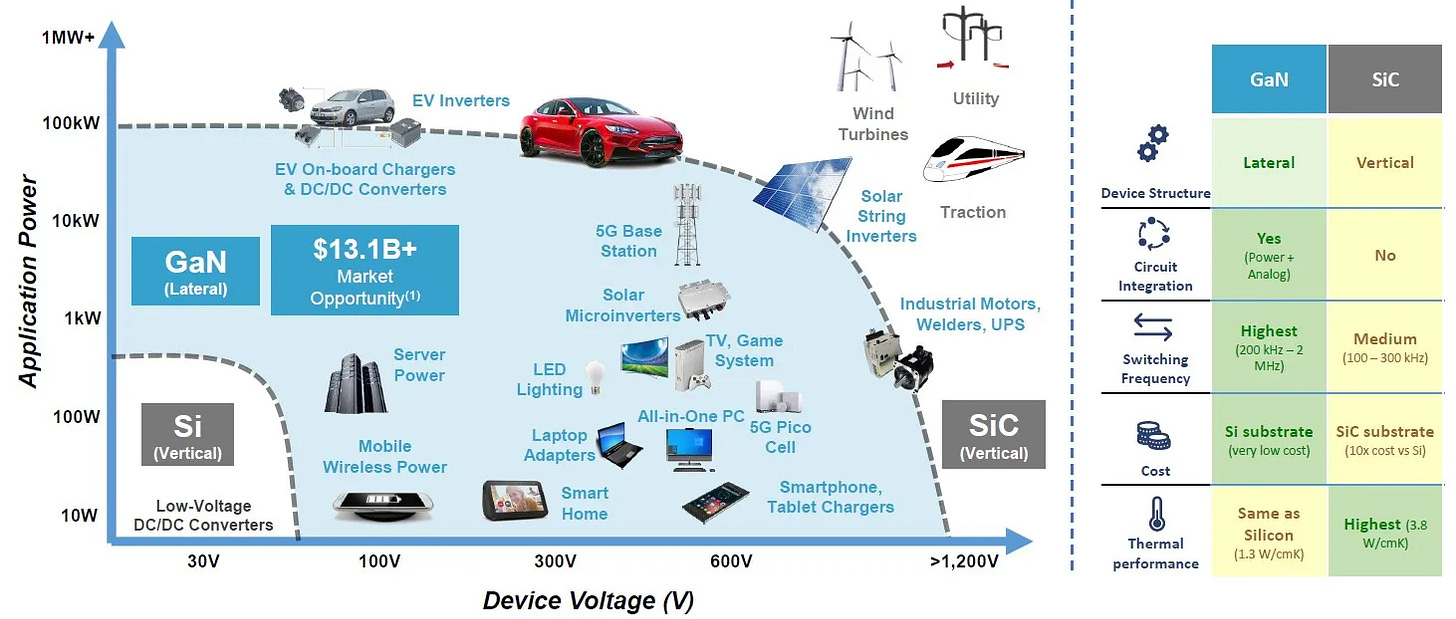
- A thread breaking down four key factors to electrification over the last few decades: magnet strength increase in permanent magnet motors, power transistor density increases with Silicon Carbide and Gallium Nitride, lithium-ion battery costs decreasing, and advances in battery-management chips.
- Magnet strength increase in permanent magnet motors (i.e. enabling higher power & torque) was one of the driving factors for the shift from hydraulic to electric actuators in humanoid robots. We discussed the topic in our research of actuator selection in humanoid robotic systems.
- Here are some truths we've learned from our experience shipping products: Outsourcing to external parties can fill skill gaps but may be sub-optimal, especially for projects requiring quick translation of customer needs into sellable products. Hiring large consultancies can lead to misaligned incentives, as they are motivated by cash rather than product success. In such cases, an independent contractor is often a better choice for obtaining necessary resources.
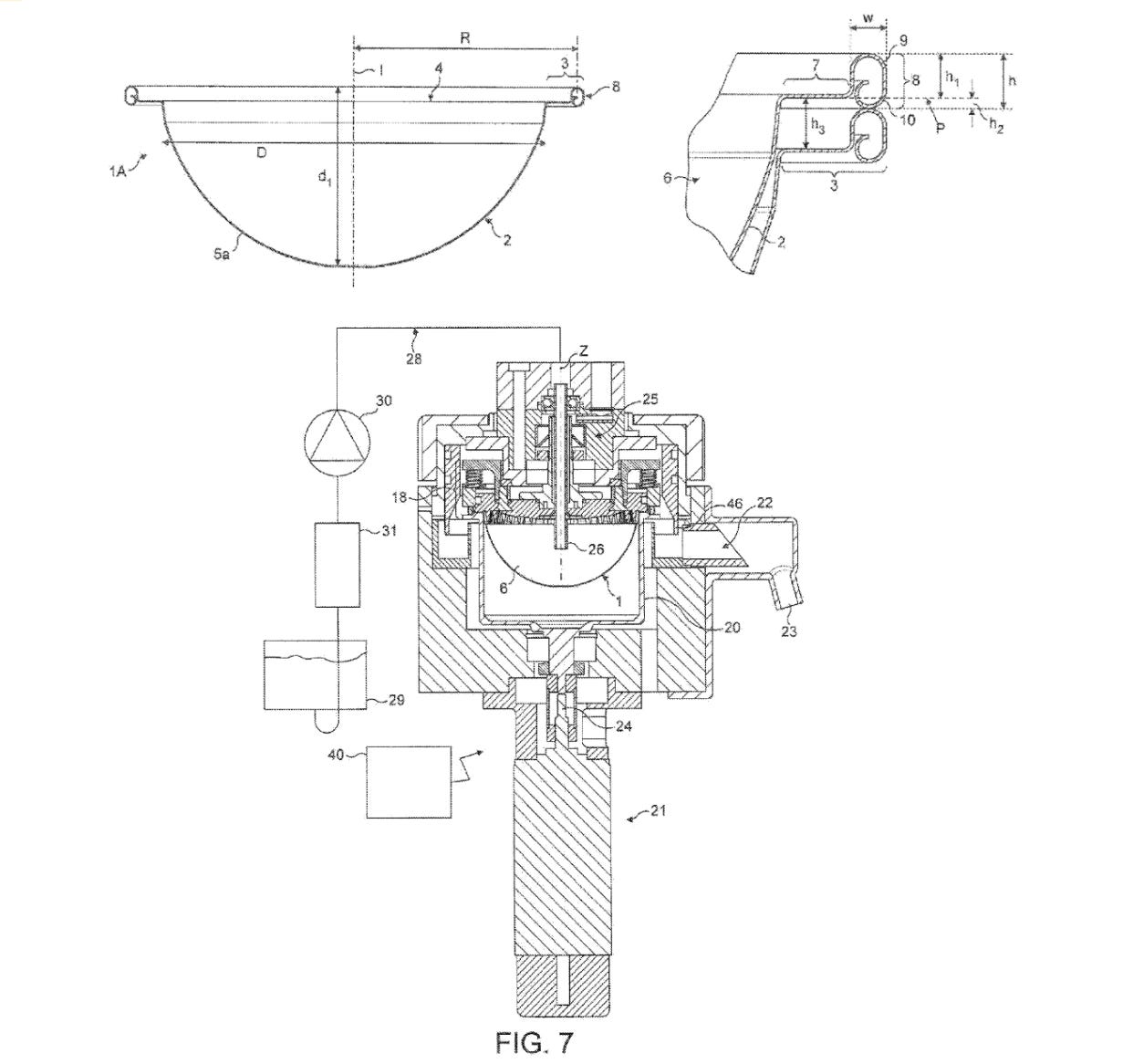
- An insightful breakdown of Nespresso’s patented features by James Hoffman. For those unfamiliar with coffee brewing systems, a traditional espresso machine works by grinding coffee beans to a fine ground, tamping (pressing) the ground coffee into a portafilter, and forcing hot water through the coffee grounds at pressures around 130 psi. The Vertuo machine produces coffee with a similar texture and crema-like foam similar to espresso brews with an entirely different approach. Instead of extraction using pumps like standard machines, the Verto spins the capsule at several thousand rotations per minute while injecting water through the system (patent linked here).
Ben Einstein, former Founder & General Partner at Bolt VC, put together a must-read series on how to structure building a hardware start-up team. In short, hardware startups will need to focus on the founding team and early contributors, as they often require more people-hours to ship a first product compared to software startups. Once product architecture is established, hardware startups should work with larger companies (i.e. contract manufacturers) to scale up manufacturing. The series is a great read to find your future co-founder and set-up the early stages of a hardware company.
- Speaking of coffee, did you know that the natural frequency of an average coffee mug is about 4Hz? Using Simulia and a Lattice-Boltzmann CFD simulation, Slawomir Polanski was able to simulate his personal coffee mug exactly and determine what walking cadence works best to avoid making a spill. Using Simulia and a Lattice-Boltzmann CFD simulation, Slawomir Polanski accurately modeled his personal coffee mug to determine the best walking cadence to avoid spills. While normal walking is usually at 2Hz or below, stair climbing can reach up to 4.5Hz, making it risky unless your coffee mug can dampen the motion.
- Check out this paper here which researches harmonic modes of coffee cups and different ways you can hold a mug to reduce spillage
- Louis Rossman published a strong critique of MKHBD’s recent reliability tour, with a focus on commentary regarding the repair and recycling facility. Louis goes through a number of repairability challenges he faced while servicing Apple devices throughout the years. His written rebuttal highlights issues like a connector with a 52V pin next to a 1.7V pin that frequently shorts due to dust, motherboard soldering problems (“mobo soldering”), various cable reliability issues, and more.
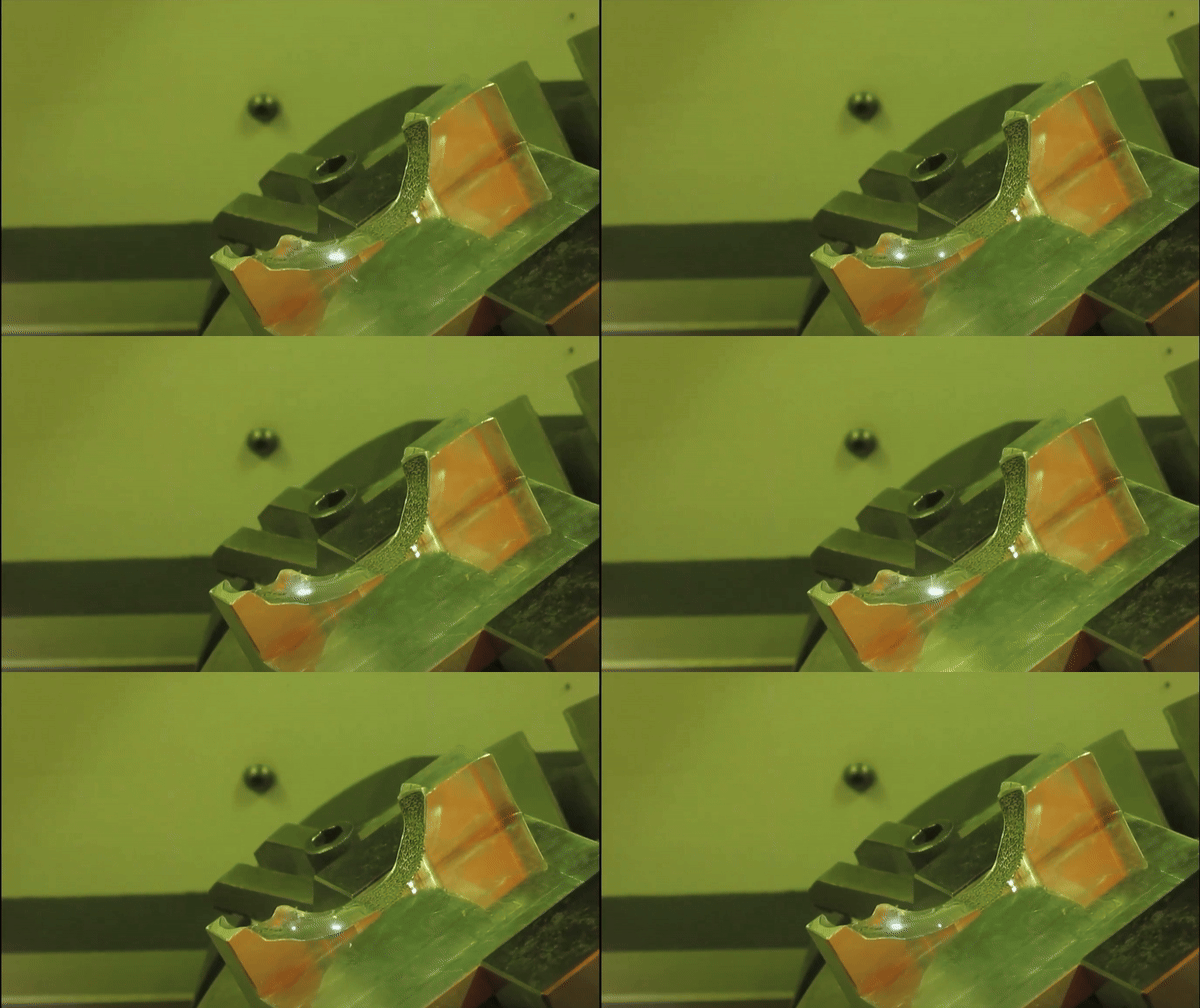
- Ultra Safe Nuclear released a video of the sorting process for their TRISO nuclear fuel particles. At about the size of a poppyseed, TRISO fuel particles have a ceramic shell around enriched uranium, designed to act as both a reactor and containment vessel. This allows a nuclear reaction to occur within the tiny sphere, heat to be transferred to coolant, and waste management to collect the fuel particles. Watch a soothing overview of the manufacturing process here.
- The new F-35 variants will feature a much improved APG-85 AESA radar system which is the third generation of a design Northrop Grumman began producing for the F-22 (APG-77). The new APG-85 packs loads of new capabilities: it can track 19 targets in 3 seconds, has improved jamming and anti-jamming features, and SAR imaging capabilities (declassified images of the 81 vs 77) that will find applications well outside the fighter platform.
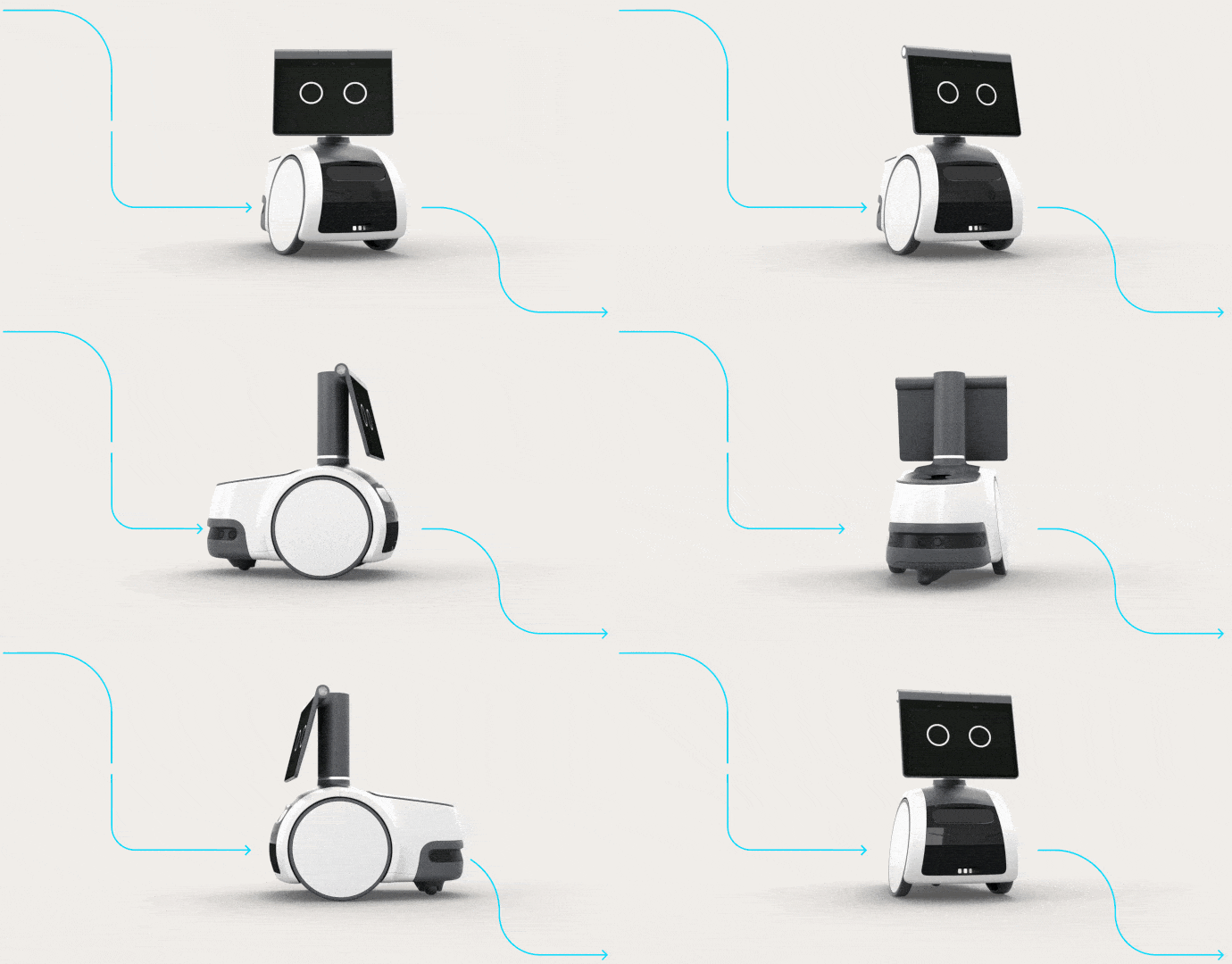
Amazon is discontinuing their Astro security robots 10 months after release. The Astro security robot can be crudely described as a Ring doorbell on wheels patrolling a medium sized area with a HD periscope and night vision. While the security variant of the robot is shutting down after years of development, competitive startups like Cobalt Robotics, Knightscope, and SMP Robotics are continuing to manufacture and sell their robots.
Startup News 🚀
- In-orbit computing startup Aethero is partnering with space shielding startup Cosmic Shielding Corporation (CSC). Together, they plan to launch a demo satellite aboard an upcoming Falcon Transporter mission. They are aiming to prove the concept of edge processing in space without damage from radiation. CSC’s shielding material is a 3-D printed polymer with distributed layers of radiation-blocking nanoparticles.
- As spacecraft have become increasingly sophisticated, their computing systems have not kept pace. The Perseverance Rover on Mars (launched in 2020) uses a PowerPC 750 processor, the same one that powered iMacs in the 1990s!
- Cartken has raised $22.5M in funding led by 468 Capital for its AI-driven autonomous delivery robots. Unlike many others in the space, Cartken is already making 36,000 deliveries each month and has recently expanded into Tokyo. Several previous investors joined this round.

- Desktop Metal, a metal additive manufacturing company, is being acquired by Nano Dimension for $183 million, just 14 months after Stratasys terminated their $1.8 billion merger agreement. The company was originally founded in 2015, and produces a series of industrial metal 3-D printing machines.
- Granza Bio has raised $7M in Seed financing from Y Combinator, Metaplanet, Zeno Ventures, Ritual Capital and others. The company has discovered how to create unique “shells” to transport therapeutic cargo to specific tissues.
- Altrove has raised ~$4M to develop synthetic alternatives to rare earth materials. Drawing inspiration from biotech companies using AI for pharmaceutical research, Altrove will design, synthesize, and then manufacture synthetic materials to help de-risk global supply chains. The company is planning to start with piezoelectric materials used in a variety of sensors and touch screens. Contrarian Ventures led the round of funding.