

Interesting Links 🏭
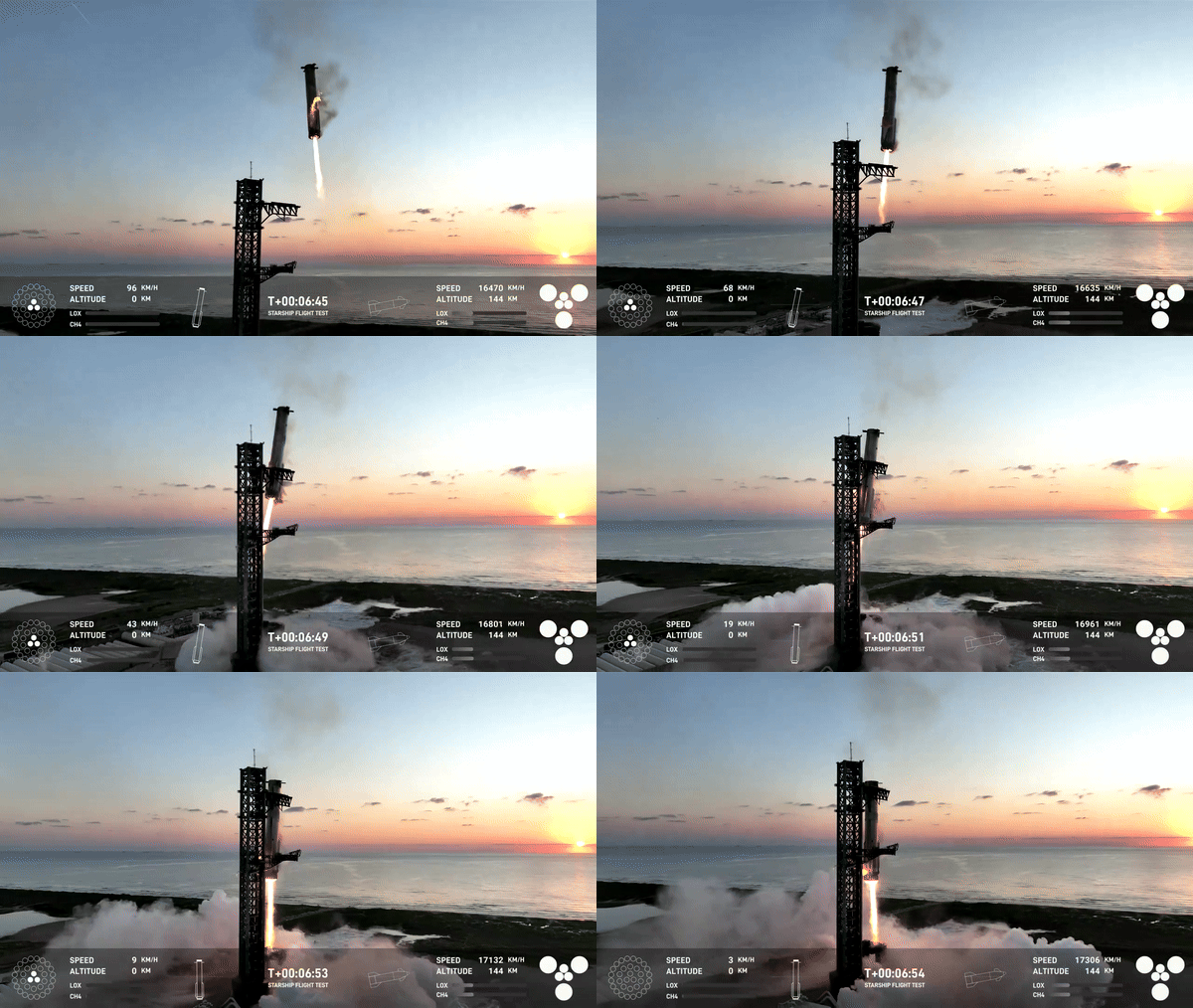
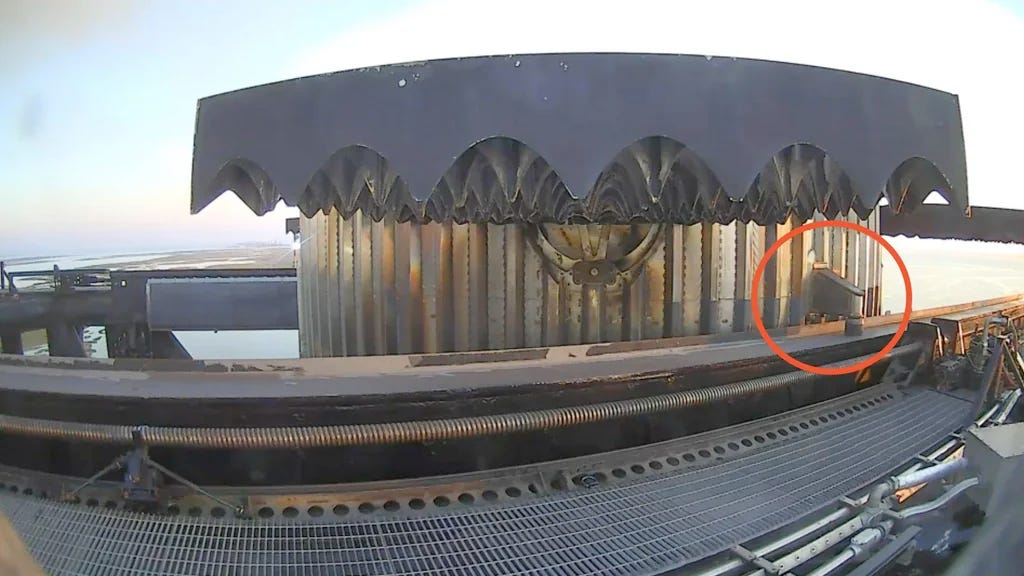
- The launch tower system consists of two main components: two 100-ton catch arms and a carriage that moves up and down the tower on rails.
- The booster is caught using the same load point hardware that lifts it onto the launch mount, with two small load points interfacing with the landing rails.
- Hydraulic systems and electronics control the pistons that move the catch arms and their smaller hydraulic systems, which include raisable 20-meter-long landing rails that provide a flat surface for interfacing with the load points.
- The catch arms are designed to make contact with the booster, using foam pads encased in thin metal for protection from the exhaust plume and impact absorption.
SpaceX caught the Super Heavy booster mid-air using mechanical arms, marking the first booster catch of its kind. To understand the scale, the Super Heavy booster is massive—50% taller, ~6.5 times heavier, and more than twice the diameter than the Falcon 9’s first stage. The Super Heavy booster is designed to be caught by the launch tower for several reasons: eliminating the landing legs reduces its weight by 10%, simplifies refurbishment, and speeds up re-usability. This video by Ryan Hansen Space is a great explanation of the mechanics of the launch tower arms (ala Mechazilla) used to catch the Super Heavy booster. A short summary below:
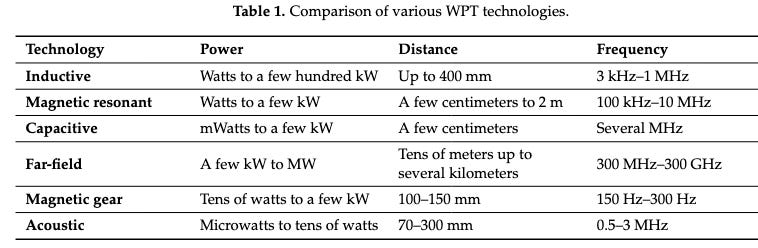
- Another Musk company made headlines last week: Tesla revealed the Robotaxi, an autonomous vehicle with no steering wheel or pedals. One of the most interesting features is that the vehicle will charge inductively, eliminating the need for a traditional charging port. Notably, Tesla had acquired and subsequently sold Wiferion in 2023, a German company that specializes in wireless charging tech. This research paper covers the current state-of-the-art dynamic charging methods for electric vehicles and three possible implementations: static, dynamic, and quasi-dynamic (i.e. brief stops or low speeds).
- Utilities in Florida have shown a fast restoration time in response to Hurricane Milton. Four days after landfall, poweroutage.us reports 384,600 customers still without power, a significant drop from the initial 3.3 million outages. Nearly 50% of those restorations were completed within the first 48 hours.
- An interesting look at the manufacturing process for creating 24,000 light guides for use in a particle counter instrument. Developed by the Hadron-Calorimeter team at Jefferson Labs, the implemented plan somewhat humorously used $30k of Carnegie Mellon student labor to cut the 24k pieces in a shop-vac powered pneumatic system.
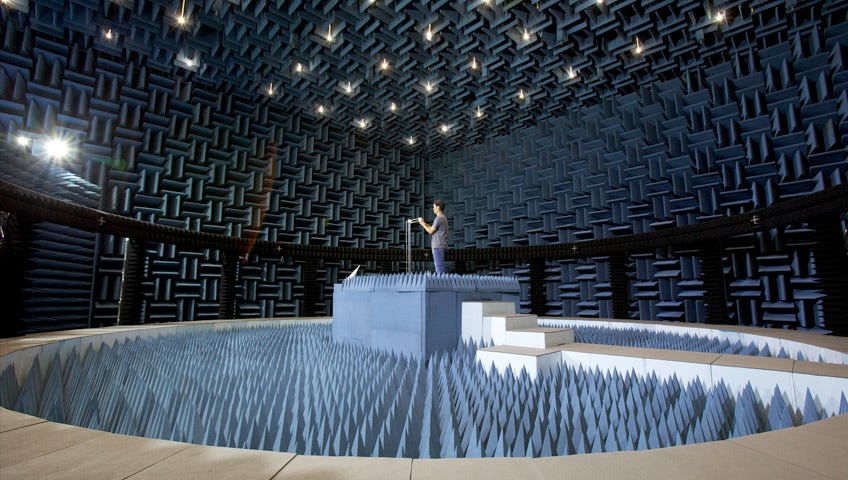
- A set of lecture notes from OVG University in Germany on EMC measurement methodologies for fast and precise measurements. There’s a funny meme on one slide suggesting a reverberation chamber is just a larger microwave oven.
- Electromagnetic compatibility (EMC) tests a product's radio emissions to ensure it meets standards and doesn't cause or suffer from interference with other devices.
Startup News 🚀
- A late stage funding round: Form Energy has raised a $405M Series F round, bringing its total capital raised to more than $1.2B to further development of their long-duration energy storage system. The company develops multi-day energy storage systems using iron-air batteries (iron as the cathode and oxygen from air as the cathode in a saline electrolyte) to store renewable energy at grid scale.
- Volta Space, a Montreal-based startup, has announced plans to sell laser-based solar power on the lunar surface, targeting customers who need energy to complete their missions during the two-week lunar night. The company is developing a network of satellites around the moon to provide power to spacecraft on the moon and last raised an undisclosed seed round in 2022. Volta recently demonstrated their laser-transfer technology over 850 meters and aims for an LEO-to-Earth transmission by 2026.
- Ultra, a robotics automation company, has launched under YCombinator. They’re offering plug-and-play robotic arms that can be easily programmed for repetitive tasks at warehouse workstations. The founders previously started two companies from earlier YC batches: Voodoo Manufacturing, a high-volume 3D printing factory, and Layer by Layer, an online marketplace for 3D printing.
- Supernode has raised $8.7M in new funding to commercialize its superconducting cable technology. Supernode hopes to make superconducting cables up to 10GW, with the advantage that their design can transfer higher power at lower voltages, dramatically reducing footprint when you compare an overhead line to a buried cable.
- ispace and the Asteroid Mining Corporation (AMC) have announced an MOU together to collaborate on a lunar mission, with ispace providing its lander to transport AMC’s Space Cargo and Reconnaissance Explorer (SCAR-E) robot to the lunar surface for prospecting. If successful, this would mark the UK’s first lunar mission, led by the London-based AMC. For ispace, a Japanese company, it would be the sixth scheduled lunar mission in its growing portfolio.