Topics worth your time: why the gap between CAD and reality shows up wherever one team hands work to another, electricity markets from first principles to a grid control room, the surprising engineering hidden inside a car seat, and SpaceX's historic catch of its first Starship second stage.
Interesting Links
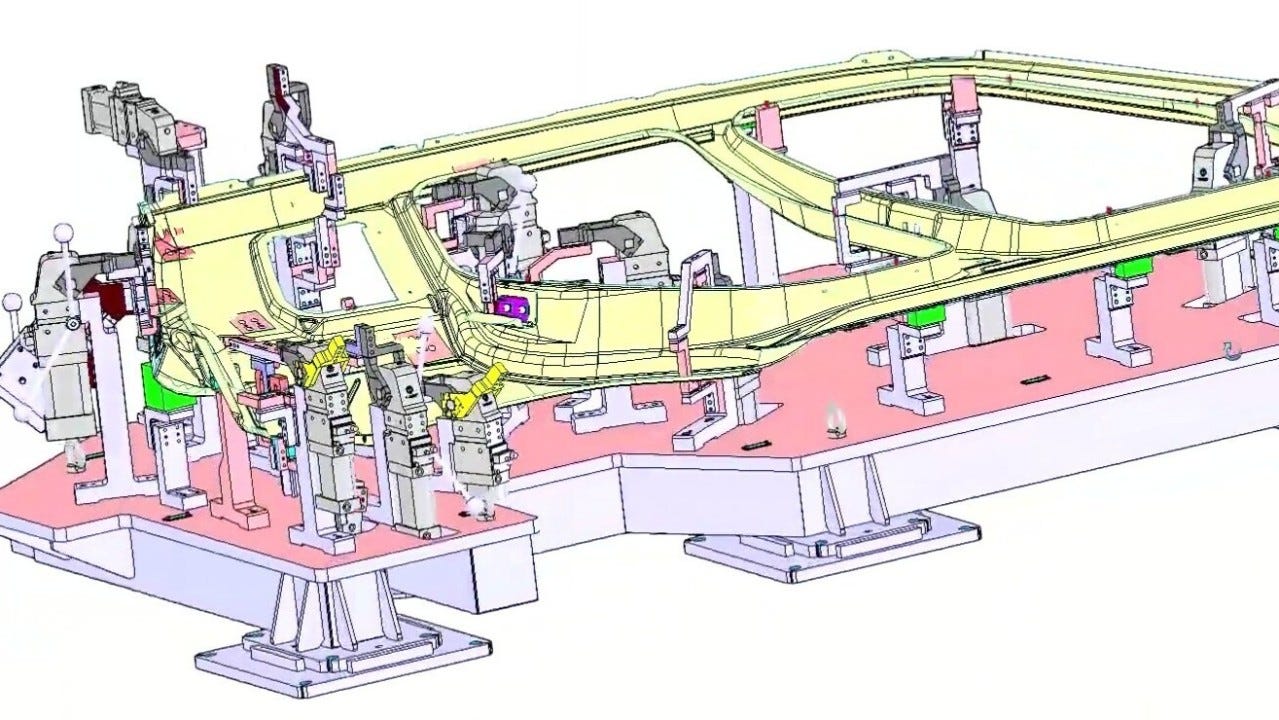
- At Tesla, a stamped Model X dash panel arrived with four 5–10 mm out-of-plane waves that neither CAD nor stamping simulation predicted. Left unchecked, that variation stacks up as the vehicle comes together, showing up as poor fit (anyone remember the discourse around panel gaps for early vehicles?). A temporary spot weld kept builds moving, while stamping tightened its process control for flatness.
- At Amazon, camera standoffs on the Echo Show 16 were correct in the CAD, but the automated vision system couldn’t reliably locate and orient them for picking. The fix moved installation upstream into the PCBA’s SMT process.
- In aerospace, a locking-wire requirement lived only in a drawing note, never reached the BOM or work instructions, and wasn’t caught until acceptance testing. The fix was a formal drawing review before work instructions are released.
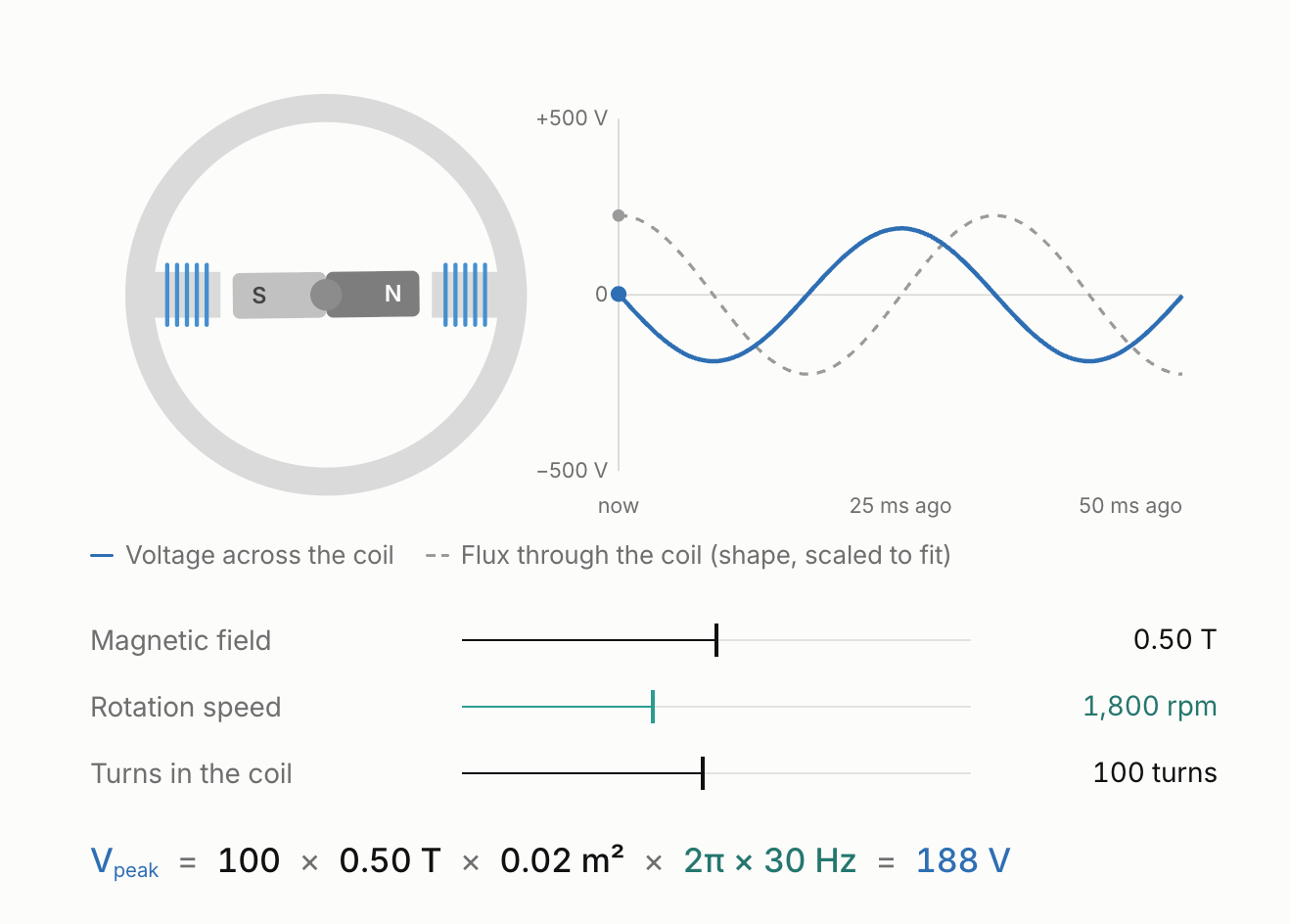
- You can always study basic electronics, and you can always study energy markets, but how often do you get the opportunity to study both at the same time? From The Ground Up is a first-principles approach to understanding different electricity markets based on the core electrical principles that define them (and why they differ across the world). The tool comes with some insanely clean irreducible diagrams that explain basic ideas such as why we need transformers (higher voltage, less current, less I²R loss), why 3-phase power is awesome, and congestion pricing for energy use. A secondary benefit is that encoding basic electrical principles in the context of how hardware or markets work makes both simpler to remember by chunking and elaboration.
“But it Works in CAD!” Lessons from Tesla, Amazon, and Aircraft Production is a great collection of anecdotes on hard-won lessons from three product launches, all in different sectors, but centered on a shared thesis: CAD is a powerful representation of reality, but it isn’t reality itself. Simon Iacob, a manufacturing engineer by training, has spent more than a decade across seemingly disparate industries where the technologies and production volumes vary widely. His stories, fun in hindsight if not in the moment, all point to the same place the gap shows up: wherever one team hands work to another. In each case, the fix was in the process, not the CAD.
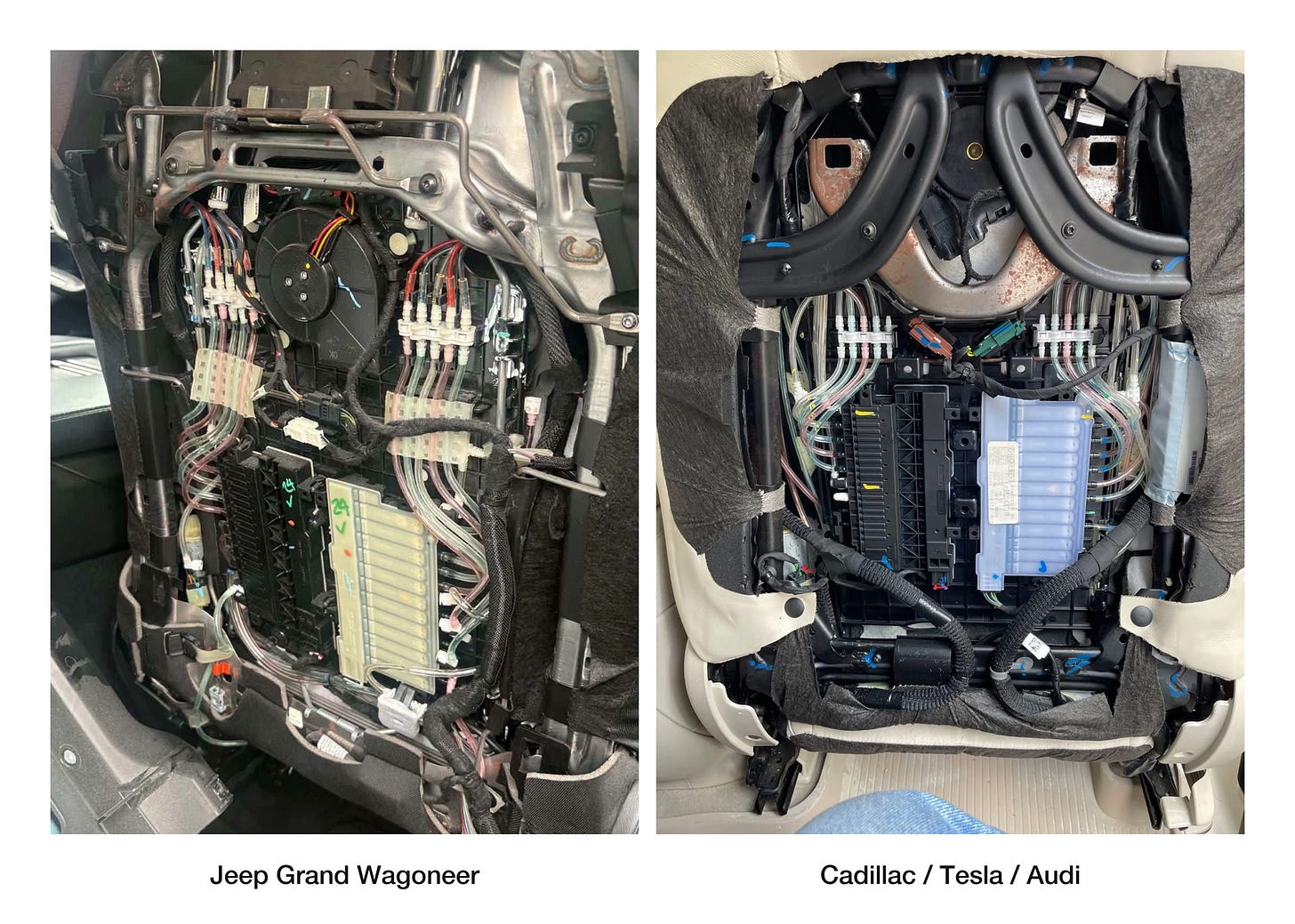
- There is beautiful engineering in seemingly mundane objects. Case in point: seat systems inside a car. Munro Live’s The Great Seat Scuffle: Hyundai Ioniq 5 Seats vs. Rivian & Tesla is twenty minutes of the architectural decisions each manufacturer made about its front seats, unpacking the tradeoffs behind each. For automakers, it’s not uncommon to buy the whole assembly from a Tier 1 supplier like Lear or Adient. In Rivian’s case, the decision was a joint design and manufacturing approach, leveraging an existing seat architecture used by the Hyundai Ioniq 5. There are some surprising details uncovered like the headrest tilt mechanism locked solid inside its foam, or a seat back made of die-cut plastic board. Give it a full watch, because there’s a lesson in nearly every component!
- If From The Ground Up gives you the physics, Tom Scott’s IRL walkthrough of Britain’s Electricity National Control Centre gives you the operations in practice. From the outside looking in, it’s a bit uncanny how abstract it all becomes: an entire country’s grid, from pylons and substations to the different types of generation (wind, gas, nuclear), reduced to colored lines in a giant control room. The primary objective of any grid operator is to keep supply and demand balanced second by second. In practice, that means holding the grid at a fixed frequency by dispatching generation and batteries, and rerouting or throttling power on congested lines so it gets from where it’s made to where it’s needed. A good mental model is to think of electricity markets as a just-in-time supply chain with a tiny warehouse: grid batteries can buffer minutes to hours, but nearly every watt still has to be generated the moment it’s used, which is why AI datacenters adding gigawatts of always-on demand are putting so much stress on the grid.
- Fun fact: the standard frequency is 50 Hz in Europe and 60 Hz in the Americas, mostly as a historical accident (German vs. American manufacturers). Japan’s grid is still split between the two.
- It is historic, slightly unfathomable, and an insane feat of engineering that SpaceX caught a Starship upper stage with its launch tower for the first time this weekend. RyanHansenSpace’s breakdown is still the best public forum explanation of how the chopstick tower catches the Super Heavy booster (catching Starship works a bit differently), and Issue #102 has a good summary. Then pair it with this video to get a visceral feel of what it’s like when a 400-foot, ~5,000-ton rocket leaves the launch pad.
- And one fun link to round out the week:
- Every engineering discipline hides easter eggs somewhere...
Startup News
- Foundation, the SF startup building humanoid robots for defense, hasn’t paid staff since missing its Oct. 30 payroll according to CNBC. The CEO, while also being the company’s only board member, reportedly borrowed $4.6M from Foundation to buy a home. Foundation’s last disclosed round was a $11M pre-seed in 2024, and the company was most recently reported to be raising at a $3B valuation.
- Hadrian acquired Kutztown Foundry & Machine, a 150-year-old Pennsylvania foundry, and plans to invest $300M to automate it and build a new factory on site. It will make naval-grade steel castings for Columbia and Virginia-class submarines. Terms weren’t disclosed.
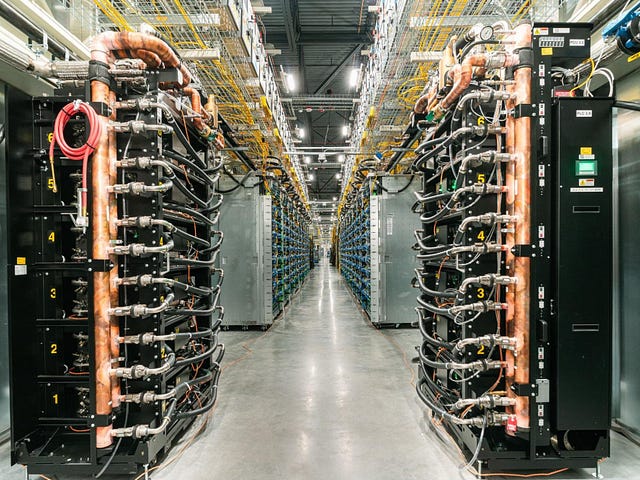
- Torus raised $500M to expand its Salt Lake City factory and deploy a container-sized unit that combines compute, batteries, and cooling, so existing sites can run AI inference on the grid power they already have. Each site gets 1–20 MW and is running 12–16 weeks after contract. Magnetar led the round.
- Remedy Robotics raised a $62M Series B to fund a clinical trial of its robot that does full stroke and heart procedures through a catheter, either at the bedside or remotely. The SF startup ran the first remote procedures in the brain’s blood vessels with N1 last year, and will run the trial with the University of California hospital network as it works toward FDA approval. DCVC led the round.