

Today marks one year since we took the leap and committed to this venture full-time. At the time, it felt like a long shot and frankly a little absurd — I had never heard of an engineer quitting their job to write a newsletter. But somehow, here we are: 74 issues in, 75,000+ words, events across both coasts, and a publication that’s grown from near zero to 12,000 readers in twelve months.
Each week, our goal is simple: break down technical topics and surface ideas worth learning from. Writing Hardware FYI has pushed us to learn more about hardware and manufacturing than any job ever could, and we’re just getting started.
This week, we’re taking a short break to recharge. We’re excited about what’s next and expect even better work ahead.
In the meantime, here’s a collection of some of our favorite pieces from the past year. Thanks for being part of it!
Interesting Links 🏭
On the topic of leaving your job to start your own company, here’s some essential reading:
- First, a repository of 100+ reference startup pitch decks across different industries like robotics, transportation, and climate. Each deck includes funding round details and commentary on what works well and where there’s room for improvement. Here are some decks of interest:
- Cobot’s $100M Series B Deck (PW: cobot): The company develops a hybrid robotic system that combines traditional autonomous mobile robots used in warehouses with the versatility of humanoid robots. Jeff Bezos, who invested in the round, specifically requested an evidence-based narrative which the deck delivers.
- FiveFlute’s $1.2M Pre-Seed Deck: Originally pitched as issue-tracking software. The core product today is a continuous design review platform.
- Syneroid’s $500k Seed Deck: A consumer pet device that combines the functions of a microchip and a dog collar.
- If you're serious about raising capital, Raising Venture Capital for Hardware is one of the best operator’s playbooks. It’s especially useful if you’re building something with high capital costs. The basic idea is simple: VCs need every investment to have the potential to return the entire fund. If a $20M fund writes a $1M check, they need a path to a $20M+ outcome. You have to show how you’ll build a company, meaning a platform or a set of products around a defensible core, and not just ship a single thing. Alternate forms of capital include angel and family office funding, government financing through contracts (DoD, DARPA) or grants (SBIR), and crowdfunding through platforms like Kickstarter and Indiegogo.
- Fun fact: Fellow, which makes coffee hardware, launched through Kickstarter, bootstrapped their early growth, and now runs a Series B company with dedicated teams for hardware development, operations, and R&D.
- Note: The advice is written for consumer hardware startups, but can be applied just as much to industrial, aerospace, and defense.
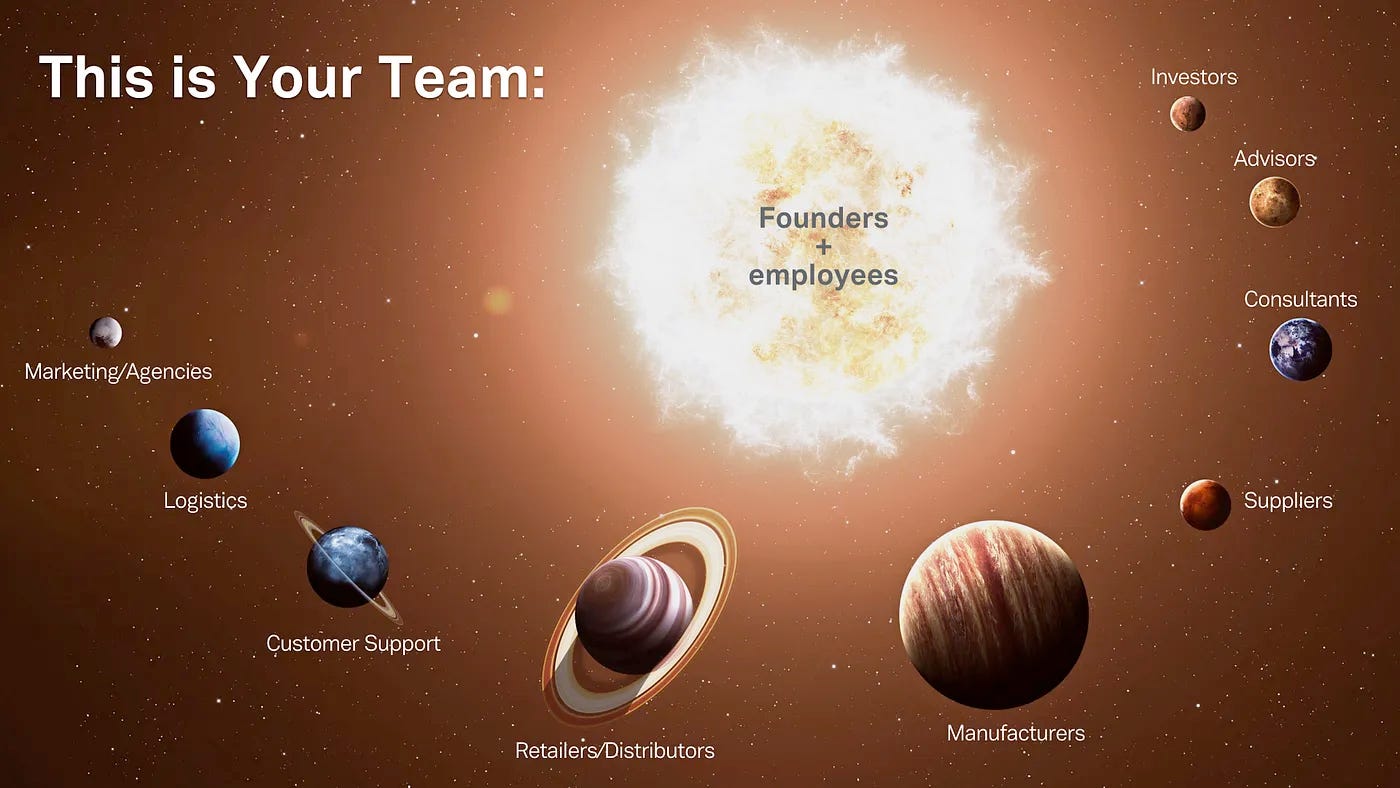
And for anyone actively developing hardware, this is a must-read series on how to structure a hardware startup team. In short, startups need an execution-focused founding team that can grind through years of hard, uncertain work. Culture has to be ruthlessly focused on prioritization from day one, because hardware startups die from chasing too many nice-to-haves. Early hires should be hands-on generalists who can ship imperfect but real products, and not get lost in paperwork or premature scaling. Once the product architecture is proven, success depends on transitioning from prototyping to disciplined manufacturing operations without slowing down.
If you spend your time digging through electronics datasheets:
- An old, but golden primer on reading component datasheets covering typical device performance, minimum and maximum requirements, key characteristics, and safe usage guidelines. After the primer, read this in-depth walkthrough of reading a Power MOSFET datasheet.
If you think in buses, bits, and boot sequences:
- A schematic review checklist for firmware engineers, covering basics like power management, reset behavior, and bus communication. Each item includes a real-world example, and the checklist frames the review around practical questions you might actually ask yourself like: Does the firmware shut down the device safely? Can a user reliably reset it? Are all the I2C addresses unique?
And if you care about what a surface feels like under your fingers:
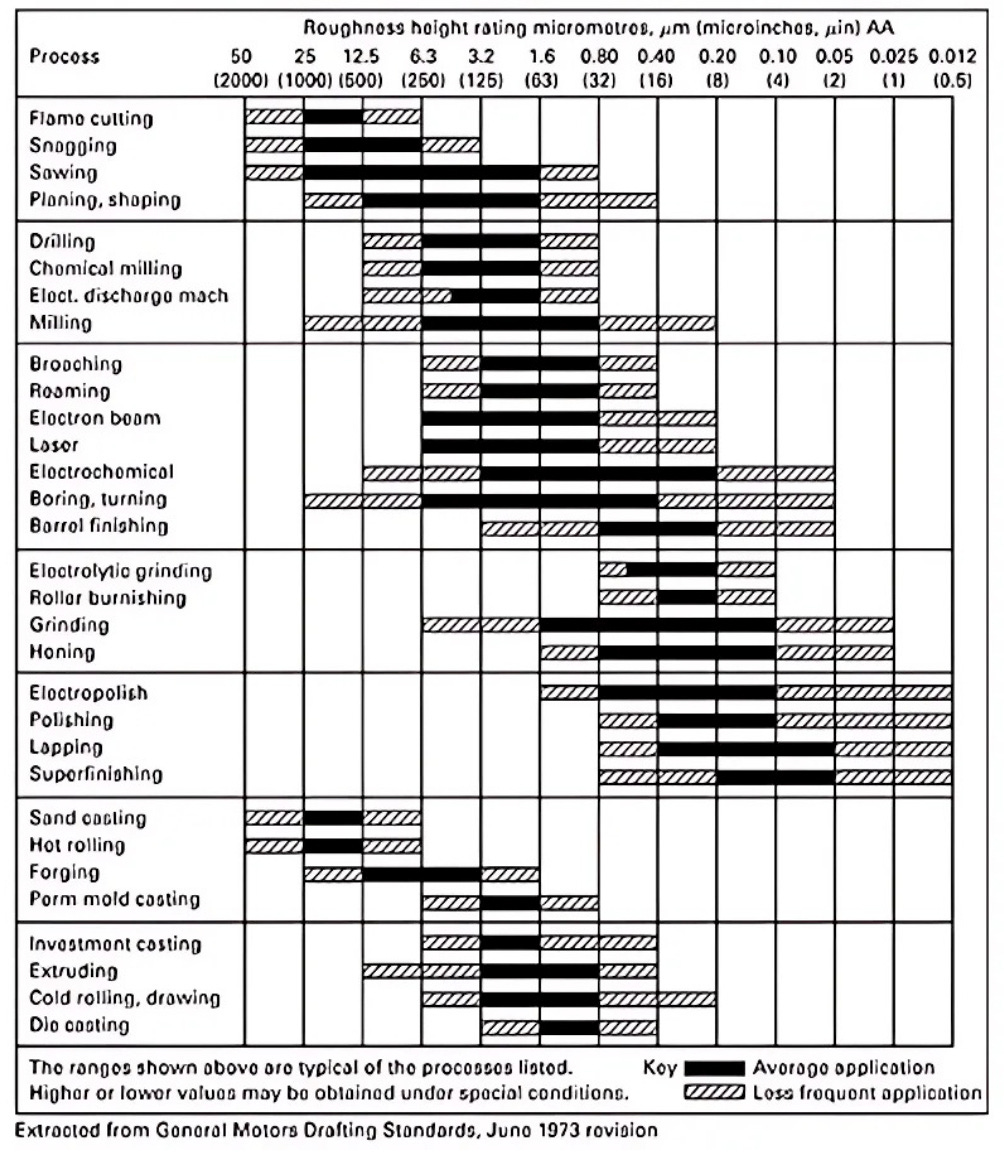
- A handy reference of surface roughness values and common applications.
Startup News 🚀
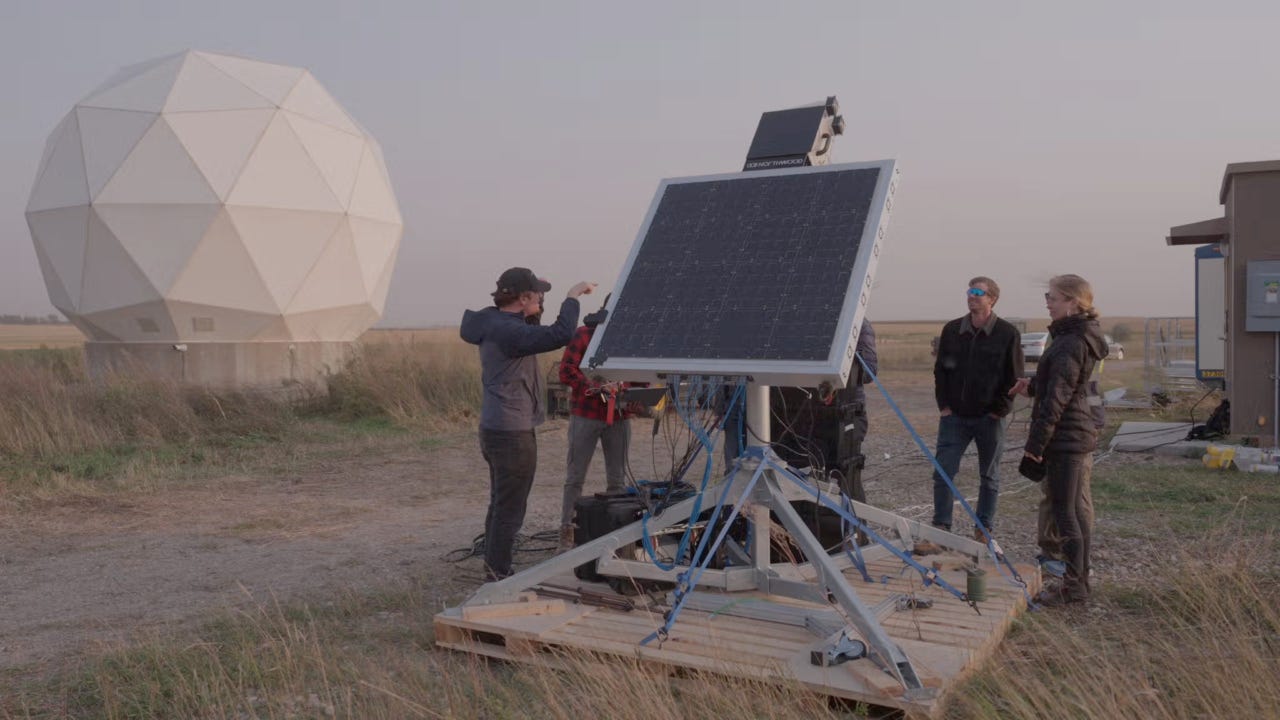
- Northwood Space raised a $30M Series A round to build a "data highway between Earth and space," or in technical terms, a vertically integrated network of ground stations that enables spacecraft to communicate with Earth. The funding will be used to expand their factory and deploy the first operational network, with plans to build two sites per month and cover six continents by the end of 2025. Fun fact: Northwood was founded by former Disney Channel actress Bridgit Mendler.
- Durin has raised a $3.4M pre-seed round to build semi-autonomous, remotely operated drill rigs for mineral exploration. In traditional mineration exploration, about 70% of the capital goes to drilling, which relies on labor-intensive drill rigs to extract core samples and find mineral deposits. Durin’s first prototype can bore a hole up to 300 meters and collect the data they'll need to automate the process. The round was led by 8090 Industries.
- Astro Mechanica raised $27.1M to build a turboelectric engine for supersonic flight. The company uses electric motors to optimize for both subsonic and supersonic speeds, reaching Mach 3.4 with less fuel. To benchark: Astro Mechanica claims the Concorde could fly 61% farther using their turboelectric engine. The round was co-led by A16z, Lowercarbon, and Giant Step.
- Nyobolt raised $30M, bringing its total funding to $100M, to expand its ultrafast battery charging technology. The company develops niobium-based anodes for batteries that charge in under five minutes, targeting sectors like warehouse logistics and electric automotives. The round was led by IQ Capital and Latitude.