

Interesting Links 🏭
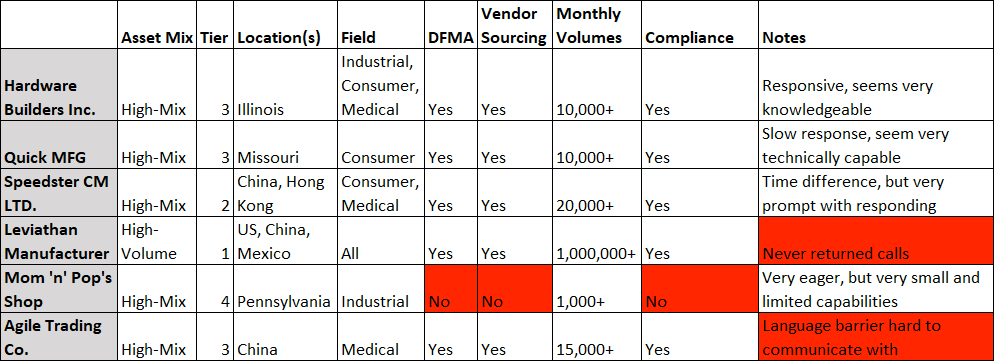
How to Find a Contract Manufacturer is one of the best guides for navigating the CM selection process. It breaks down what a CM actually is (a third-party factory that builds your product), the different structures they operate under (high-mix/low-volume vs. high-volume/low-mix), and common misnomers (“tier” usually just refers to revenue, not capability). The advice can be roughly summarized as:
- Step #1: Write a requirements doc. where you list everything you need from a CM: design help, testing, regulatory approvals, packaging, logistics. This becomes your filter while searching.
- Step #2: Send an RFP with your BOM, CAD, drawings, and assembly docs (after signing an NDA). Standardize the quotes you get back in a spreadsheet: separate part costs, NRE, margin, and shipping terms.
- Step #3: Rank each CM by key criteria (cost, communication, engineering support), apply weights, and score them side by side.
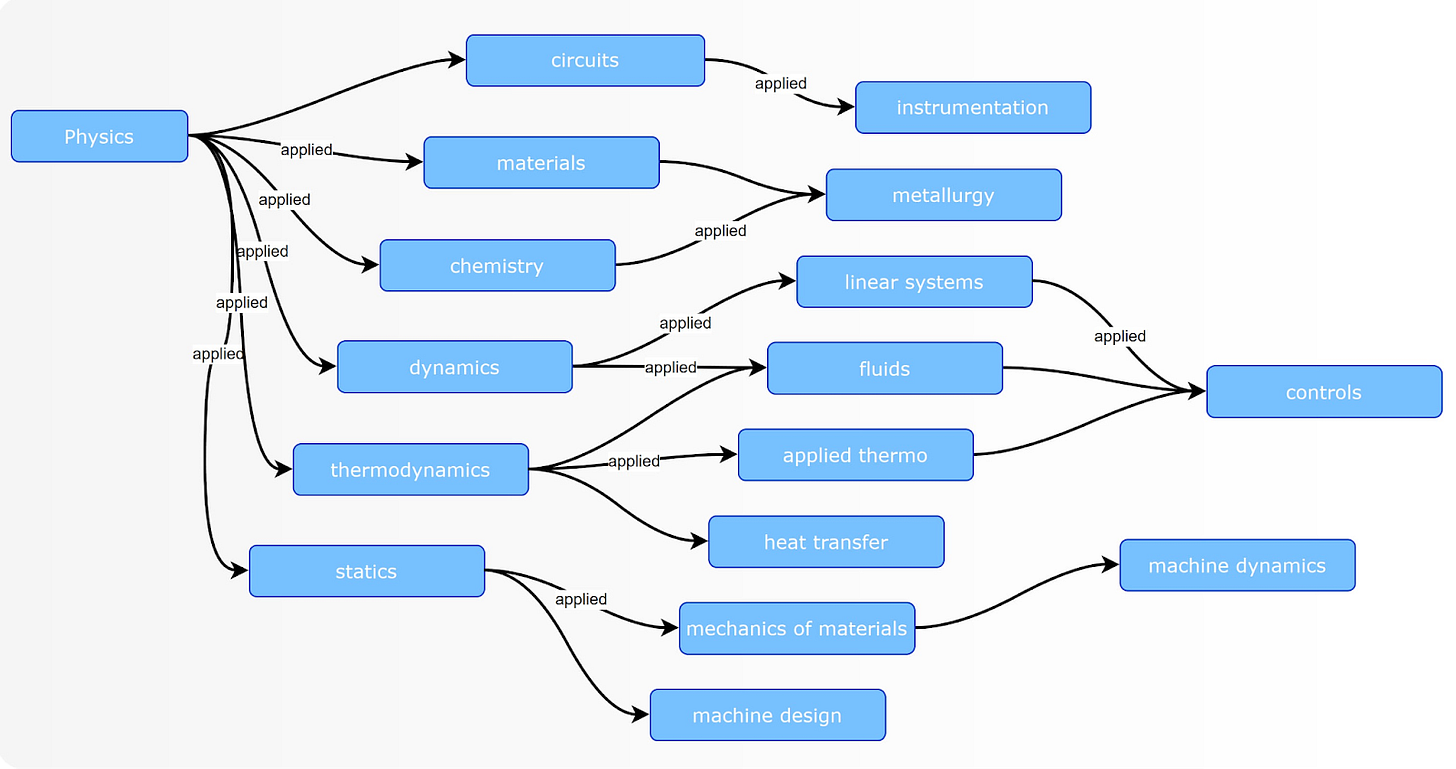
- OpenME is one man’s attempt to open-source a mechanical engineering degree. It’s mainly a digitized archive of classes he took, with notebooks and lab reports from past lectures, exams, and everything in between. One of the more interesting finds is his study binder from an internship at Toyota’s stamping division, a solid read for anyone looking to understand how the pieces of a modern car fit together at a systems level.

- Humanoid robots raced alongside humans for the first time in a half-marathon in Beijing this past weekend (highly recommend skipping to 00:20 in the source video to watch one slam headfirst into a railing). The winning robot, Tiangong Ultra, finished in 2:40, swapping battery packs three times along the way. It’s developed by the state-backed Beijing Humanoid Robot Innovation Center as part of China’s national platform for legged robotics. What’s just as wild is the entire design is open-source. You can download the structural CAD files, URDF models (used in ROS to define geometry and joint movement), electrical schematics, and motion training datasets. Full mechanical and electrical transparency, start to finish. Check it out here.
On the topic of finding contract manufacturers, Why American Manufacturing Is So ‘Disincentivized’ is an interesting read to get a pulse on the challenges of building hardware domestically. From Sam, CEO of Impulse Labs:
‘American contract manufacturers, such as they exist, either “suck,” “build exquisite medical device stuff,” or are too big to deal with startups. Figuring out contract manufacturing is so important that hardware entrepreneurs should map out the supply chain for their product first, then design their business around it.’

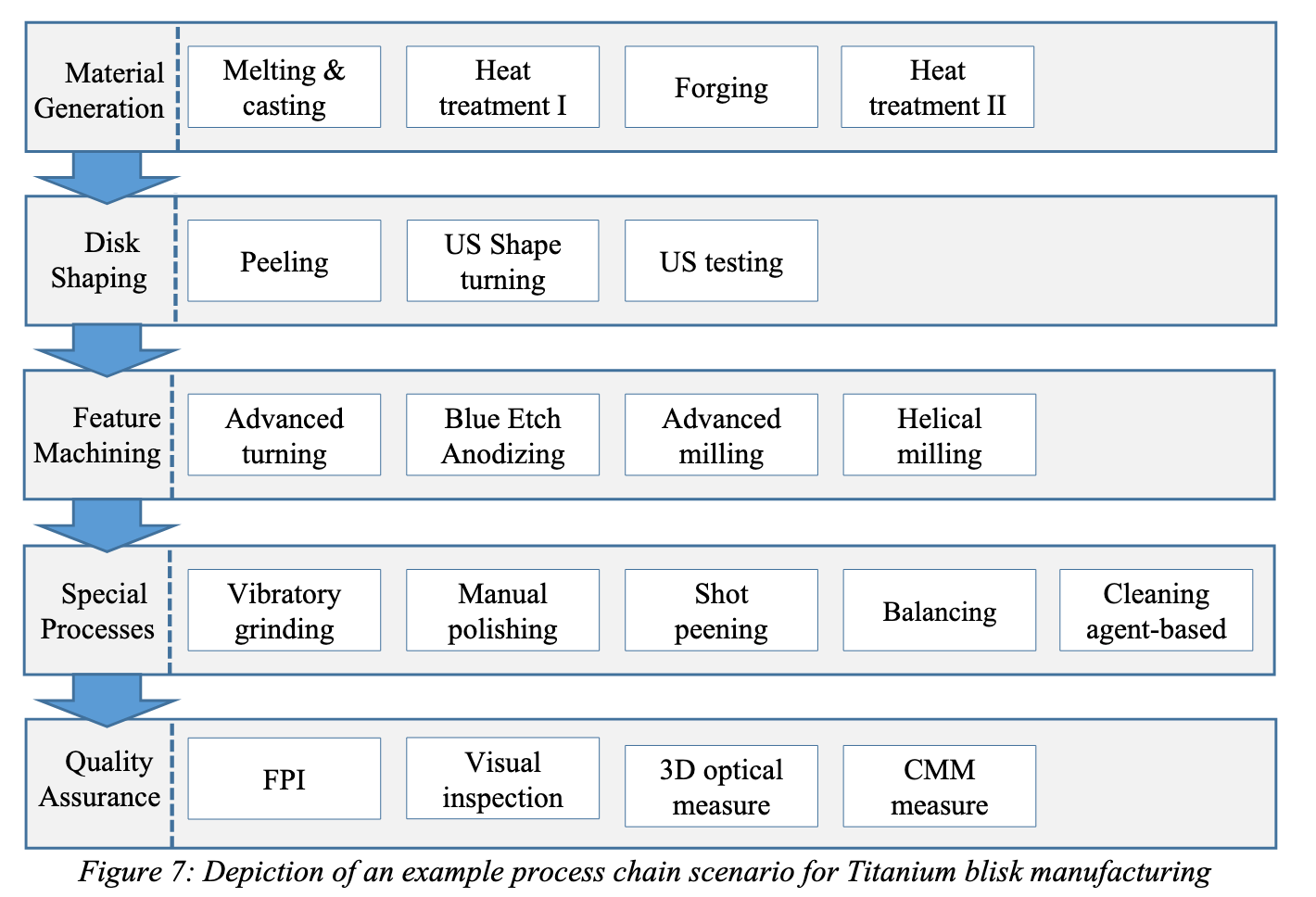
- A recent paper on the lifecycle analysis of blisks (bladed disks used in jet engine compressors) is worth a read. By casting the blade and disk as a single piece, blisks cut engine weight by up to 20% compared to traditional bolted blade-disk assemblies. That performance comes at a cost: blisks are notoriously difficult to manufacture due to their complex geometry, and if a single blade gets damaged, the entire part must be scrapped since there are no replaceable subcomponents. General Electric and Pratt & Whitney are increasingly adopting blisks for their high and low-pressure compressors in their latest turbines. (If you're curious, the model is also importable as a nTop model if you ask the CEO nicely!)
- A couple fun (and unintentionally food-themed) videos to close out the week:
Startup News 🚀
- Doss raised an $18M Series A round led by Theory Ventures to reinvent how ERP works for real-world businesses (we’ve been lucky to watch them grow, and they’re also our sponsor!). If you've worked in manufacturing ops, you’ve probably dealt with bloated, outdated ERP systems. DossARP is a real-time, AI-native platform that models your actual workflows and scales from a single site to full enterprise. It’s already replacing legacy systems at manufacturers and PE roll-ups, with AI copilots for ops teams coming later this year.
- Guardian Bikes raised $19M in financing to launch the first high-volume U.S. bicycle frame manufacturing plant. The new Seymour, Indiana facility will use robotic welding and laser-cutting to produce frames from domestic steel and aluminum. It’s part of a broader push to reshore bike production and build a vertically integrated U.S. supply chain (over 97% of bikes sold in the U.S. are imported!). The round was led by JPMorganChase.
- Scout AI, emerging from stealth, raised $15M in a seed round to advance its robotic foundation model for defense applications. The company’s Fury system leverages a Vision-Language-Action (VLA) foundation model, enabling defense robots to operate like human soldiers through natural language interactions. The funding round led by Align Ventures and Booz Allen Ventures.
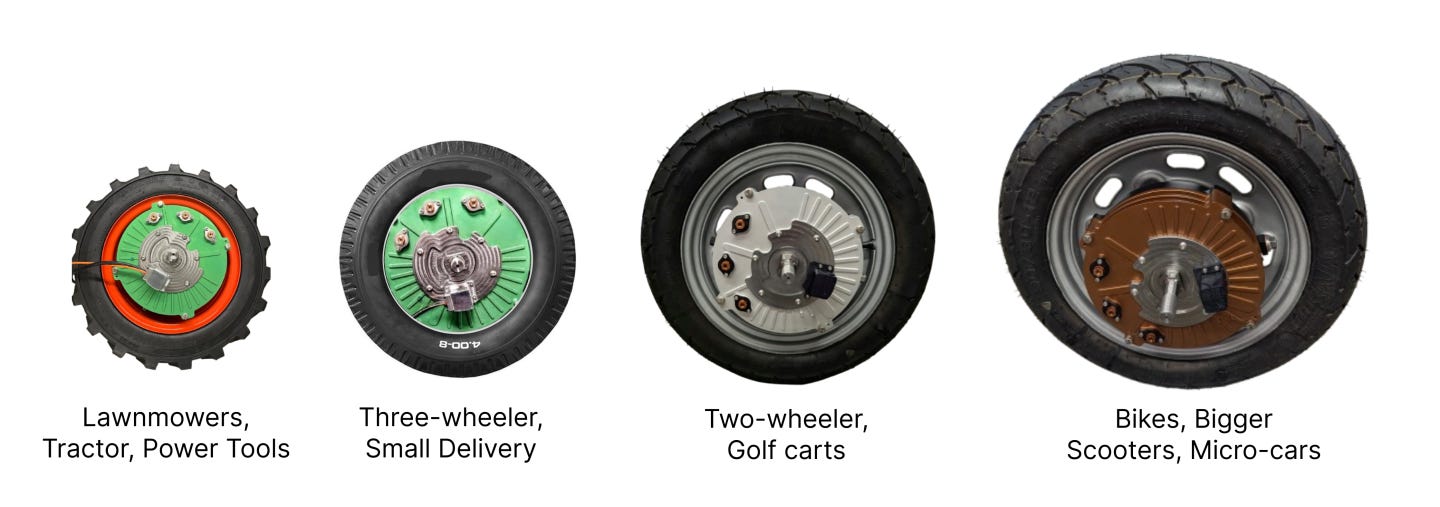
- Conifer, raised $20M in seed funding to commercialize its rare-earth-free electric hub motor technology. The company’s compact axial flux motor uses ferrite magnets and a proprietary stator for high efficiency and power, along with a proprietary ‘microfactory’ manufacturing process. Conifer is targeting small mobility platforms (think lawnmowers, tractor makers, etc) with a drop-in motor that requires no major redesign. The funding round led by True Ventures.
- Zero Industrial, raised $10M in Series A funding to accelerate thermal energy storage (TES) project deployment in North America. The company converts energy from clean sources to heat and then sells to industrial customers allowing them to save carbon intensive heat production. The round was led by Evok Innovations.