

Topics worth your time this issue: the engineering marvel behind the most complex machine ever built, a practical guide to watchdog timers for FW engineers, the iron ring ritual that reminds engineers their work lands on real people, and why composites are structurally different from every other manufacturing process.
Interesting Links
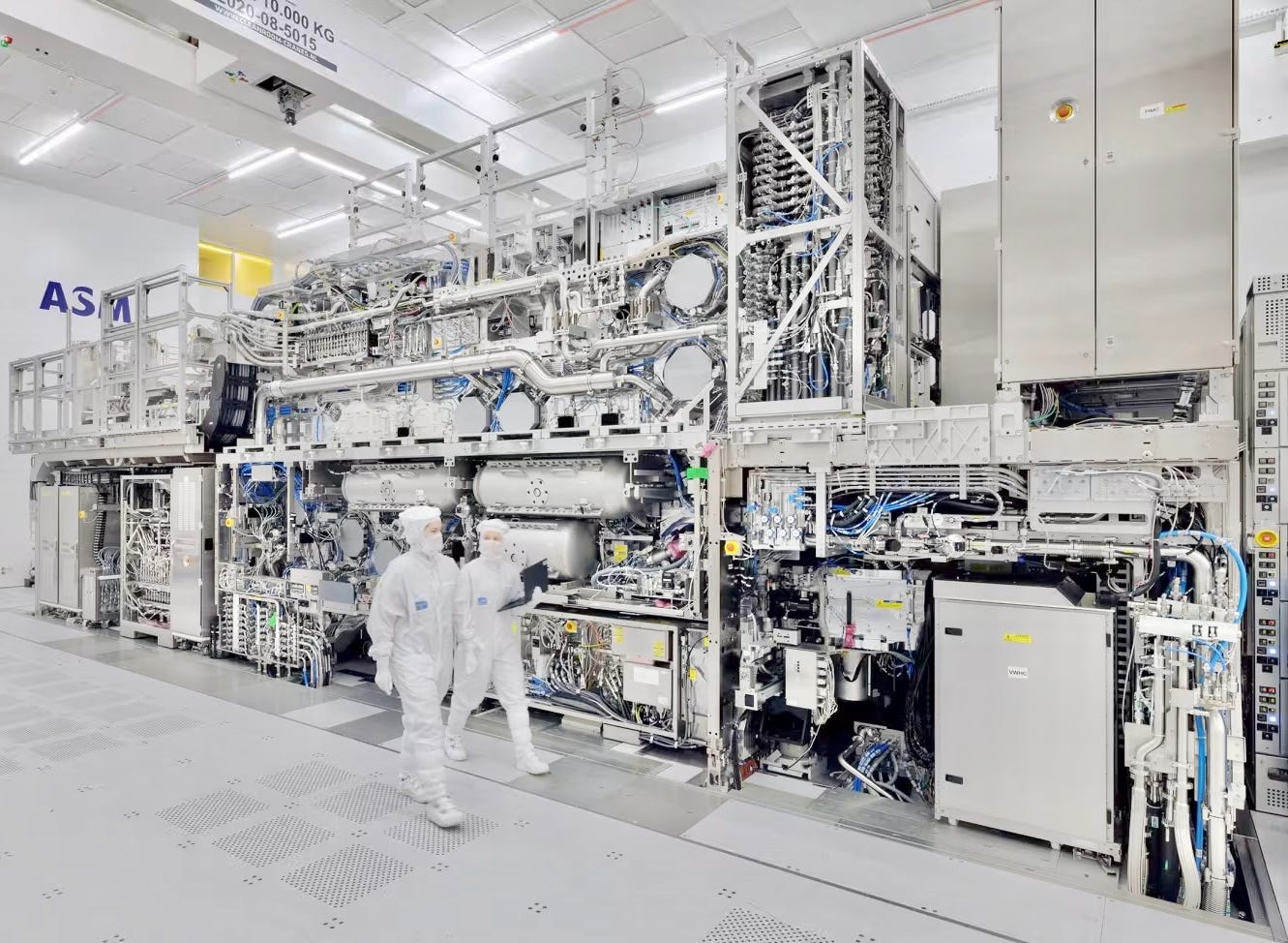
The ASML Way is a book worth reading for its account of how a small Dutch company ended up developing the most complex machine ever built, and now stands as the unambiguous bottleneck of the entire global semiconductor industry. Some context: ASML doesn’t make chips, it makes the machines that make the chips, and it is the only company on earth that can. Each machine has ~100,000 parts, costs anywhere from $150-$380M for the latest High-NA generation, requires multiple cargo planes and dozens of trucks to ship, and took over two decades to develop. No country, no competitor, no amount of state subsidy has been able to replicate them (yet), with ASML shipping a total of 44 EUV machines worldwide in all of 2024. Chip manufacturing is fundamentally about using light to project circuit patterns onto silicon, and physics sets a hard ceiling: you can’t resolve features smaller than the wavelength of light used. For decades the industry cheated this limit (shorter wavelengths, multi-pass patterning, etc.) until extreme ultraviolet lithography emerged as the viable path forward (13.5nm wavelength and 14x shorter than what came before). The rest is best read firsthand; here are the details we found most striking:
- The EUV light source fires 30-micron molten tin droplets at 50,000 per second, and converts 1.2 megawatts from the grid into a few watts on the wafer. The entire machine exists to protect and aim that tiny fraction of light across 11 mirrors in near-vacuum.
- China’s response to being locked out of EUV by export controls has been described as a semiconductor Manhattan Project (state-coordinated, massively funded, and largely secret). Separately, a California startup Substrate is betting on X-ray lithography at sub-1nm wavelengths as a way to bypass EUV entirely. Vik’s Newsletter has a great technical breakdown.
- On machine sensitivity - Intel once traced a nightly yield drop to methane from a neighboring cattle farm and paid to relocate three farms.
- Chris Coleman’s guide to watchdog timers is a practical walkthrough of one of firmware’s most important (and most neglected) subsystems. A watchdog is, in essence, a controlled self-destruct sequence: a hardware counter that reboots the device if software fails to check in periodically. For a consumer device, not having a watchdog can mean a reboot; for a satellite or remote system, it can mean permanent loss of control and an unrecoverable on-orbit failure. The whole walkthrough is built around a NRF52840 dev kit so readers can follow along; it covers hardware and software watchdog layers, task-level monitoring for catching deadlocks, and debug strategies for root-causing the hang after recovery. Coleman also advises caution when removing watchdogs during debug builds to avoid nuisance resets; this is a great way to accidentally cut a release that bricks the fleet.
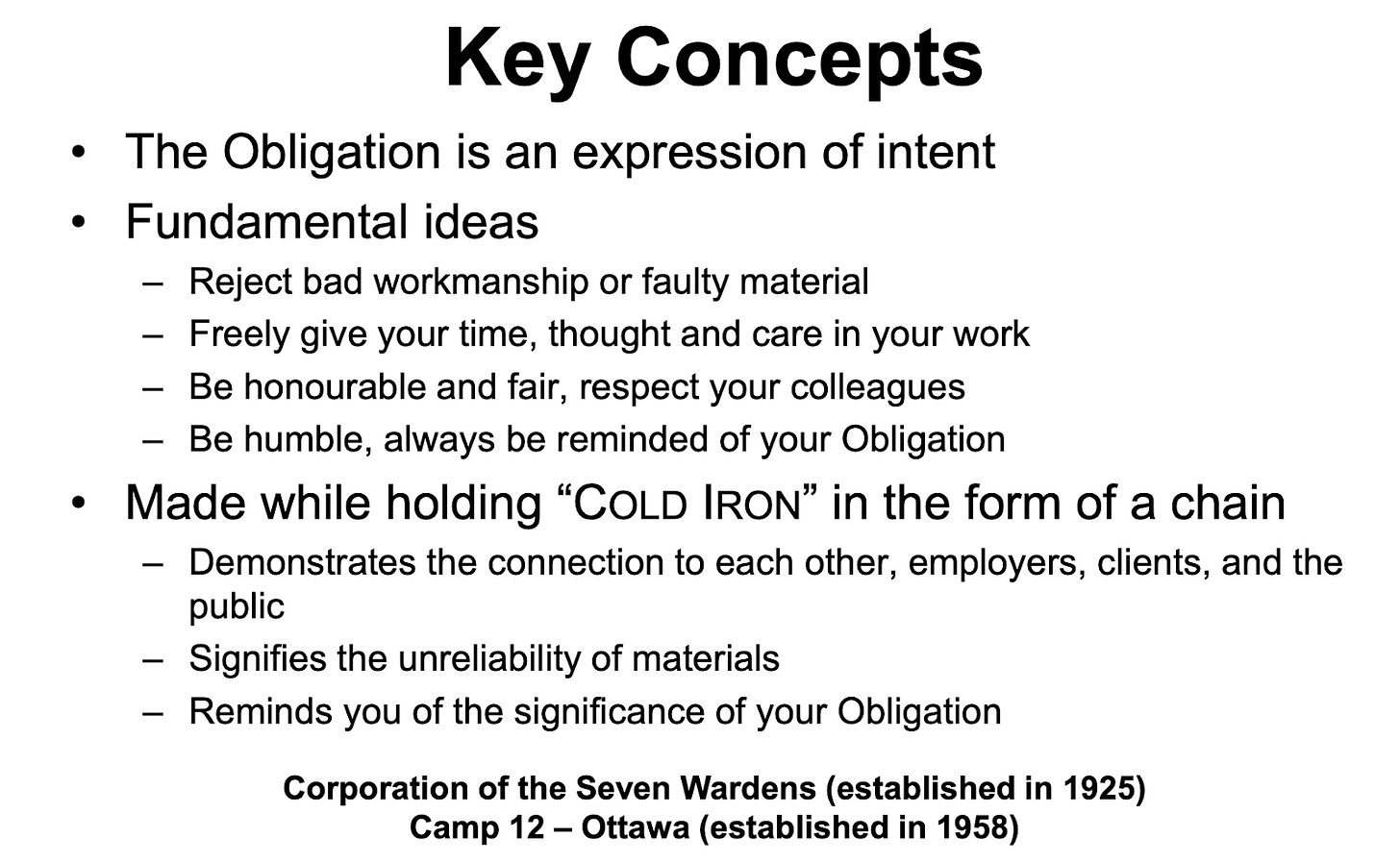
- In Canada, many graduating engineers elect to receive an iron ring on their pinky finger during a private ceremony in a ritual known as The Calling of an Engineer. The tradition started after the 1907 Quebec Bridge collapse, where engineering errors killed 75 workers in fifteen seconds, established to reinforce the ethical responsibility of engineers. The ring sits on the working hand so it drags across every document signed, a physical reminder that the work of engineers lands on the people who depend on it. As software increasingly touches how people interact and interface with each other (and now reason with AI) the same obligation applies: an algorithm that optimizes for engagement over truth, in many ways, creates its own kind of structural failure.
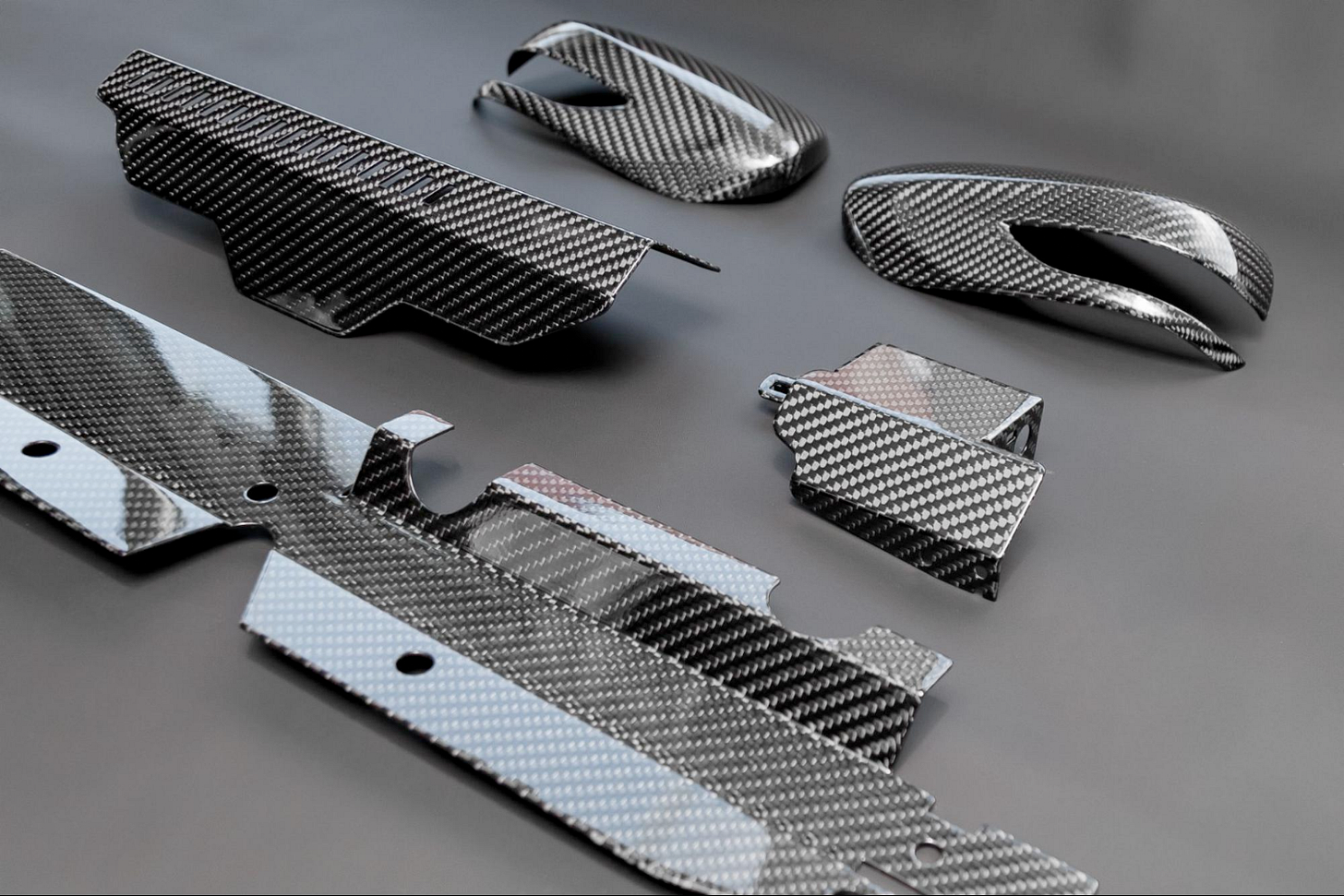
- Fictiv’s composite layup guide is a pull-yourself-up-by-your-bootstraps reference covering the major layup methods (hand layup, prepreg, resin infusion, AFP), fiber orientation fundamentals, laminate architecture, common defects, and DFM guidelines. What makes composites different from most other manufacturing processes is that the material doesn’t exist until the part does. There’s no billet to machine or pellet to mold; each ply angle is a decision branch, and the stacking sequence determines how (or if) the part carries load, and how much it weighs. Aerospace helped push advanced composites into the mainstream (the 787 is 50% composites by weight), and the methods have since spread to wind turbine blades, EV structural panels, pressure vessels. In any application where mass, high stiffness, and fatigue life are the binding constraints, composites are usually in the conversation.
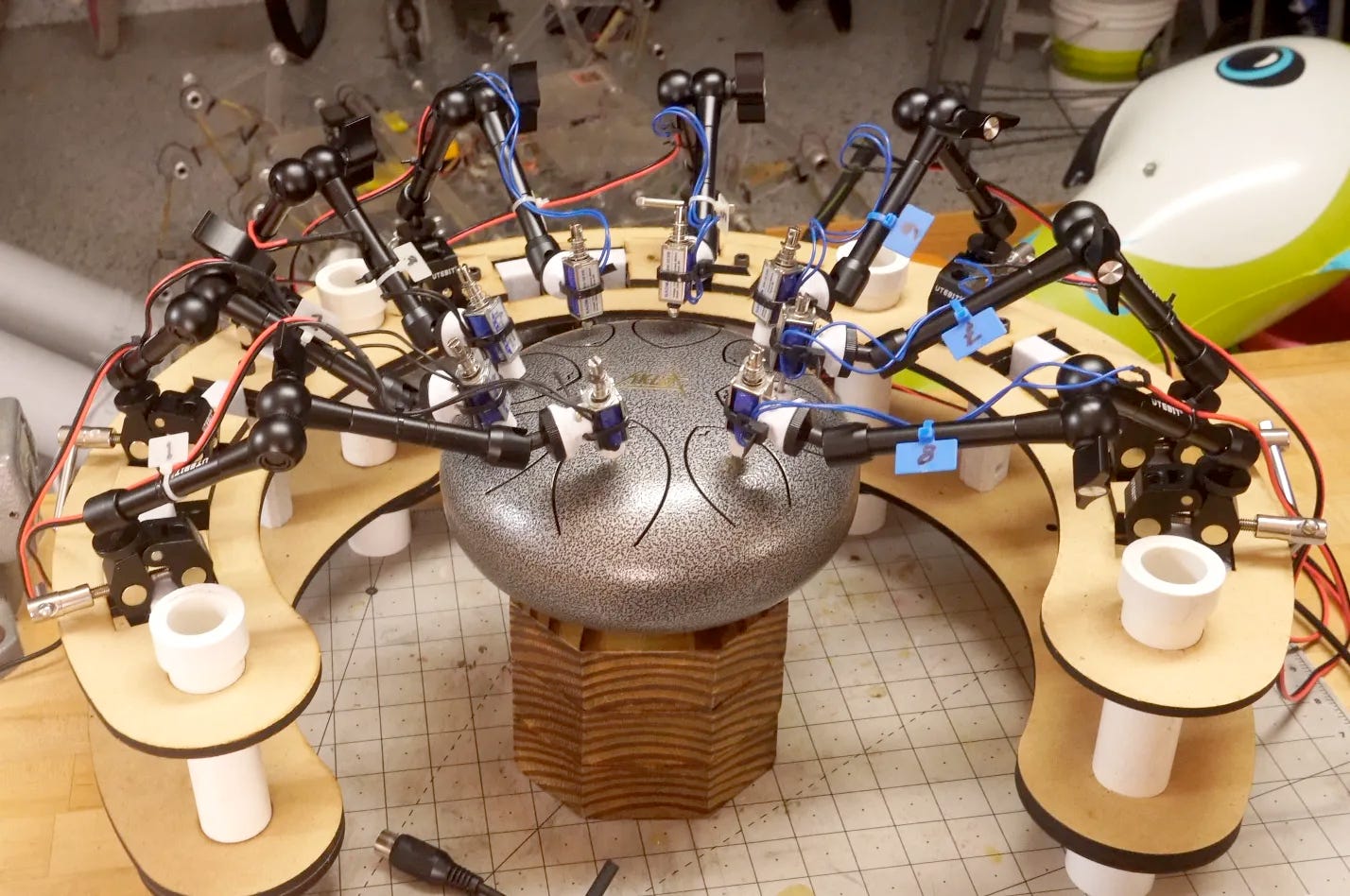
- From a reader of the newsletter: a story on how an engineering detour became the product. Jeremy Cook built a robotic tong drum using solenoids driven by Arduino’s Opta PLC (a compact industrial controller with a solid-state relay expansion that can fire solenoids silently). The build needed a MIDI controller interface; nothing existed for the Opta’s serial and I2C lines, so he designed one. That adapter — a small fraction of the overall project — turned out to be what people actually wanted. He’s now sold roughly 200 units on Tindie at modest per-unit margins. His companion piece on selling small-batch hardware in multiples covers the economics of sub-$10-profit add-ons. If you’ve ever had to make a custom board or fixture because nothing existed, it might be worth doubling back to see if that’s still the case.
- To round out the week, a couple of fun links:
- VotingWorks is a 501(c)(3) non-profit building open-source voting systems across the U.S. - their team is hiring a Head of Hardware (fully remote)!
- Engineering projects are meant to be fun. A great example, the world’s loudest mechanical keyboard.
Startup News
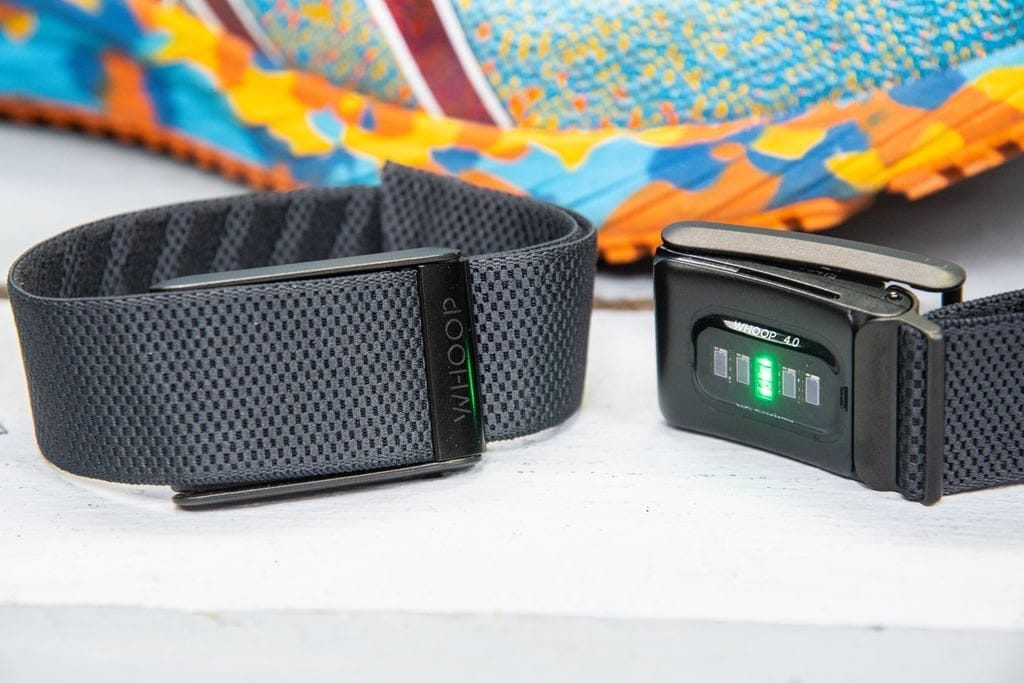
- Whoop raised $575M in funding at a $10.1B valuation to scale its subscription-based wearable platform for health and performance monitoring. The company builds a screenless, wrist-worn device that collects sensor data (heart rate, HRV, sleep stages, strain) and translates it into recovery and readiness metrics, all delivered through a subscription rather than a one-time hardware sale. The company positions itself as a data platform for performance training rather than a general-purpose wearable category defined by earlier devices like Fitbit and similar fitness trackers. The round was led by existing investors including IVP and others.
- Saronic raised $1.75B in Series D funding to scale production of its autonomous surface vessels for U.S. military applications. The company currently builds multiple unmanned ship classes ranging from small reconnaissance craft to larger 40-metric-ton vessels, and is targeting production of 20+ ships annually by 2027 while expanding its Louisiana shipyard and developing a new “Port Alpha” facility. The push comes as the U.S. looks to offset a ~200x shipbuilding capacity gap and shift toward lower-cost, autonomous naval systems that can be deployed at scale. The round was led by Kleiner Perkins, following a $392M Navy contract and rapid growth in defense demand.
- Valar Atomics raised $450M at a $2B valuation (including $340M equity and $110M debt) to develop clusters of small, high-temperature gas-cooled reactors (HTGRs) for AI data center power. The company’s design focuses on modular reactor clusters sized for data center-scale loads, delivering baseload power without the complexity of traditional multi-gigawatt nuclear plants. The round builds on a prior $130M raise backed by investors including Palmer Luckey and Shyam Sankar.
- Aetherflux is reportedly raising a $250–350M Series B at a $2B valuation to develop orbital data centers powered by solar energy for AI workloads. The company has shifted from its original focus on space-based power beaming to placing compute on satellites, using ‘continuous solar exposure’ to run AI chips without relying on terrestrial grid infrastructure. Its first data center satellite is targeted for 2027, with ongoing work on laser power transmission and a satellite bus built by Apex Space. The round is expected to be led by Index Ventures.
- Xoople, a Spanish startup, raised $130M in Series B funding to build a satellite constellation designed to generate Earth observation data for AI models. The company is developing optical sensing payloads with L3Harris Technologies, targeting data quality improvements on the order of 100× over existing monitoring systems. The round was led by Nazca Capital.