

Interesting Links 🏭
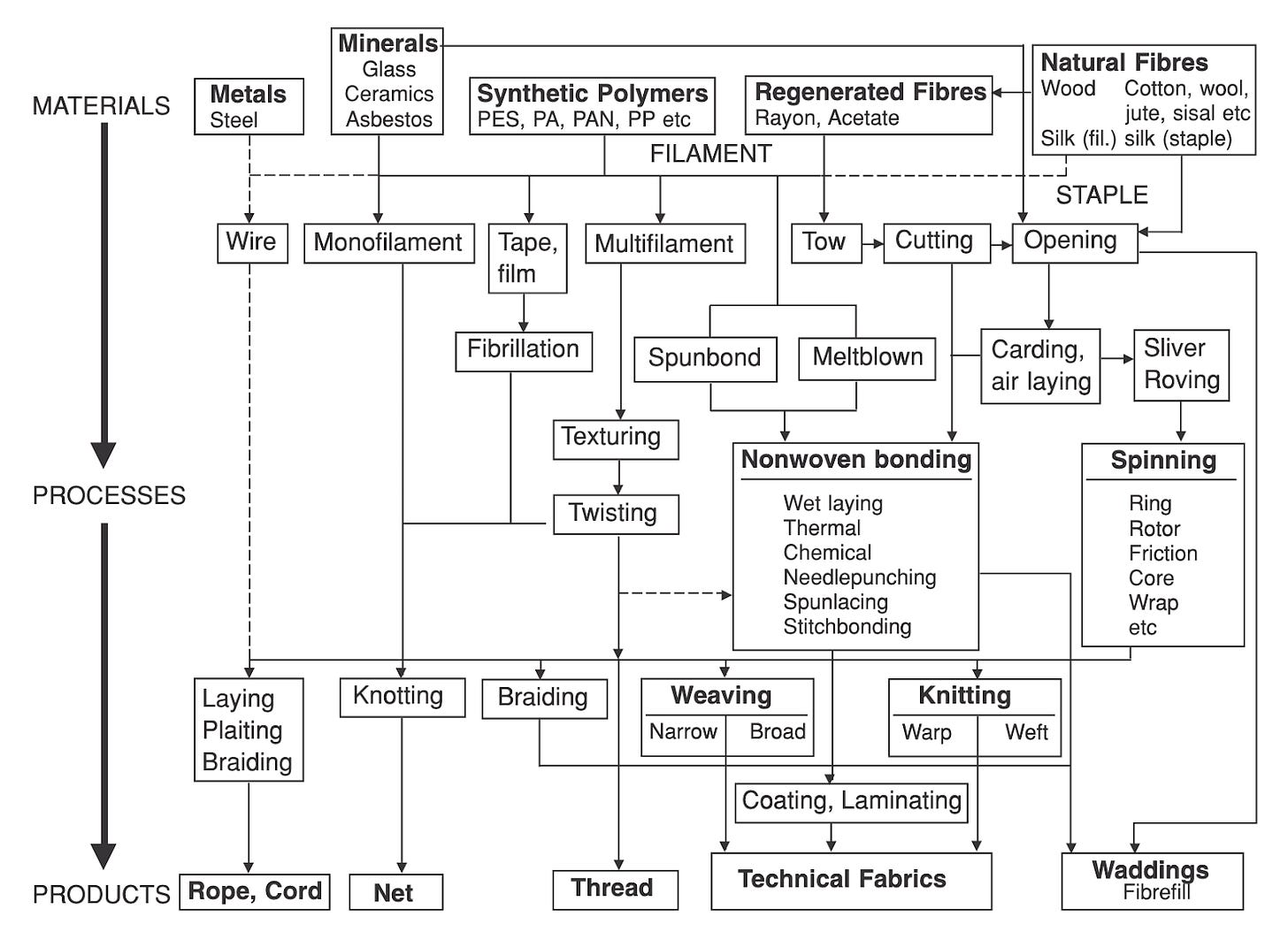
- Most garments, especially in fast fashion, are produced using computerized flat knitting machines. The machines can produce anything from sweaters to intricate knitwear patterns, and have features like programmable stitch density, adjustable gauges (i.e. change needle spacing for different yarns), and computerized controls. The Handbook of Technical Textiles places these machines within a broader context of textile engineering, covering everything from fibre selection and yarn formation to fabric structures, finishing processes, and end-use applications in fields like medical, defense, and civil engineering.
- If you’ve got good resources on soft goods or textiles, send them our way! We’ve searched the internet and found it to be an even more tribal industry than our world in hardware/manufacturing.
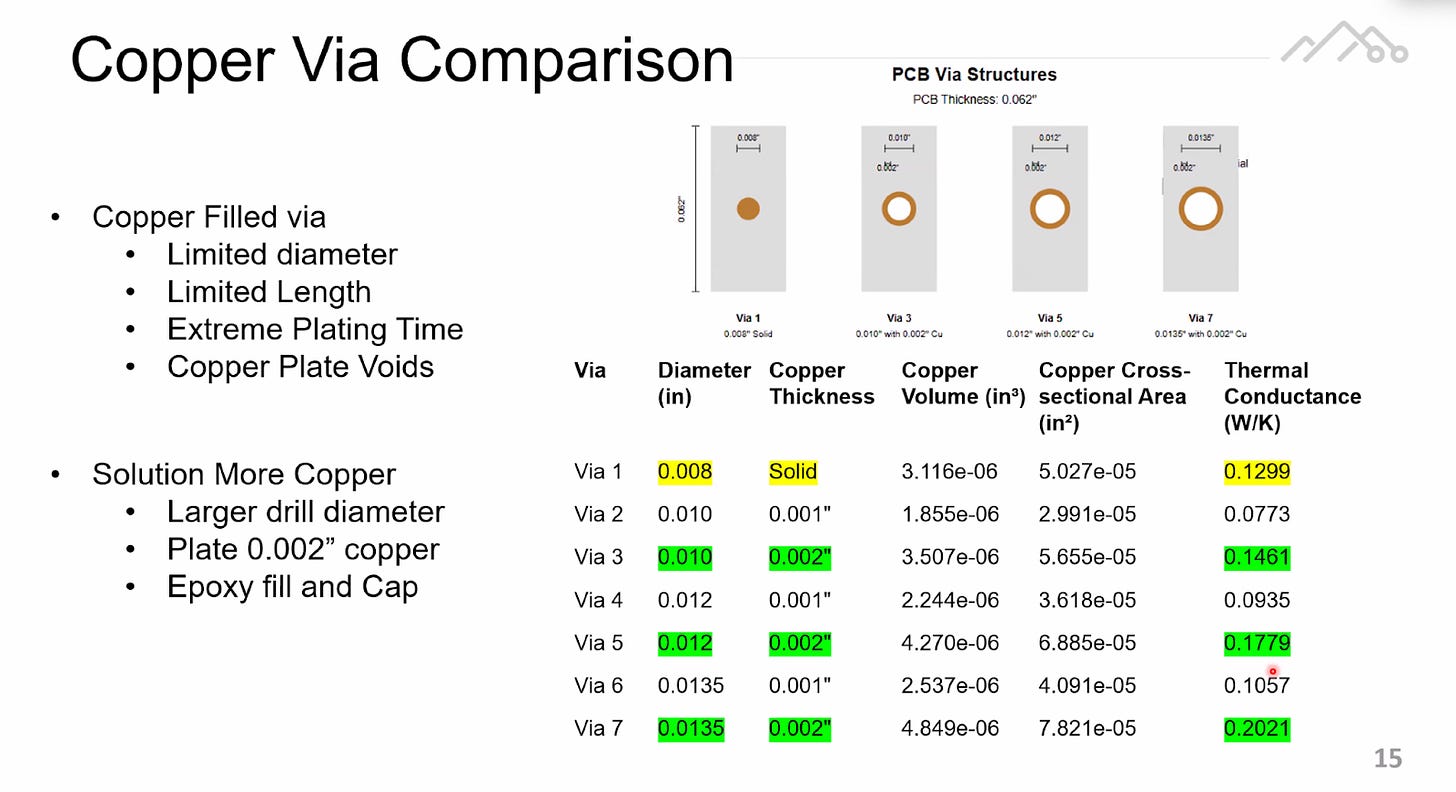
- Thermal management in PCB design is a careful balancing act that uses copper thickness, via placement, and mechanical heatsinks (like CPU coolers) to keep a PCB within its nominal operating temperature. Without proper heat dissipation, a PCB's lifespan can drastically shorten: overheating might cause the dielectric to separate from the copper layers, components to fail prematurely, or even burning (though the board itself typically has excellent flame retardancy). A really cool example of a practical design tip and heat transfer in action: it turns out a plated copper via—just 0.002" thick—can conduct heat better than a solid copper slug if the slug has a smaller diameter. It's counterintuitive where you'd expect solid copper to always win, but surface area matters more than solidity. The full webinar and lecture notes from Summit Interconnect are worth a read.
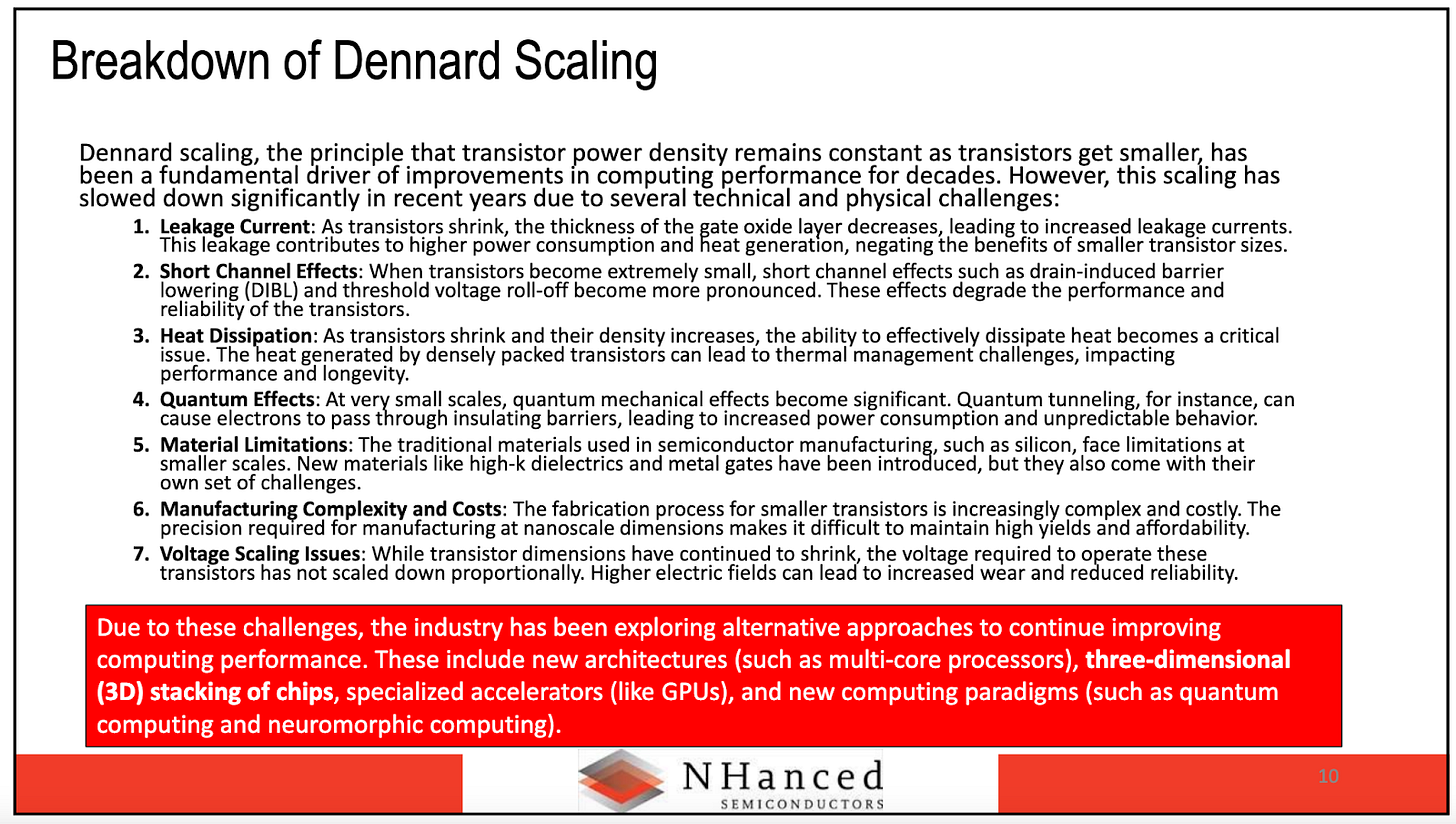
- A set of fantastic notes on advancements in advanced packaging for semiconductors. Covers everything from the evolution of packaging in chip design, the current global landscape, and emerging foundry models. You’ve probably heard of Moore’s Law as the driver of computing growth, but have you heard of the Dennard Scaling Principle? The fundamental idea behind Dennard’s Law was that as transistors get smaller, voltage goes down and power stays constant. This broke down in the mid-2000’s when transistors got so small that leakage current and short-channel effects took over.
In the world of tiny tech, two new announcements:
- Texas Instruments launched the world’s smallest microcontroller, the TI MSPM0C1104, measuring at just 1.6 x 0.861 mm and priced at 20 cents apiece in 12K reels. The MCU is 5V tolerant and includes a 12-bit ADC, up to 18 GPIOs, and standard UART, I²C, and SPI interfaces. You could use the MSPM0C1104 like a barebones Arduino for simple projects—no USB or 5V regulator, but if you're running at 3.3V and don’t need precise timing, it’ll work! To put the chip’s size in perspective: it’s about the size of a sharp pencil point (~1mm) and small enough for applications like a semi-rigid contact lens. Full datasheet here.
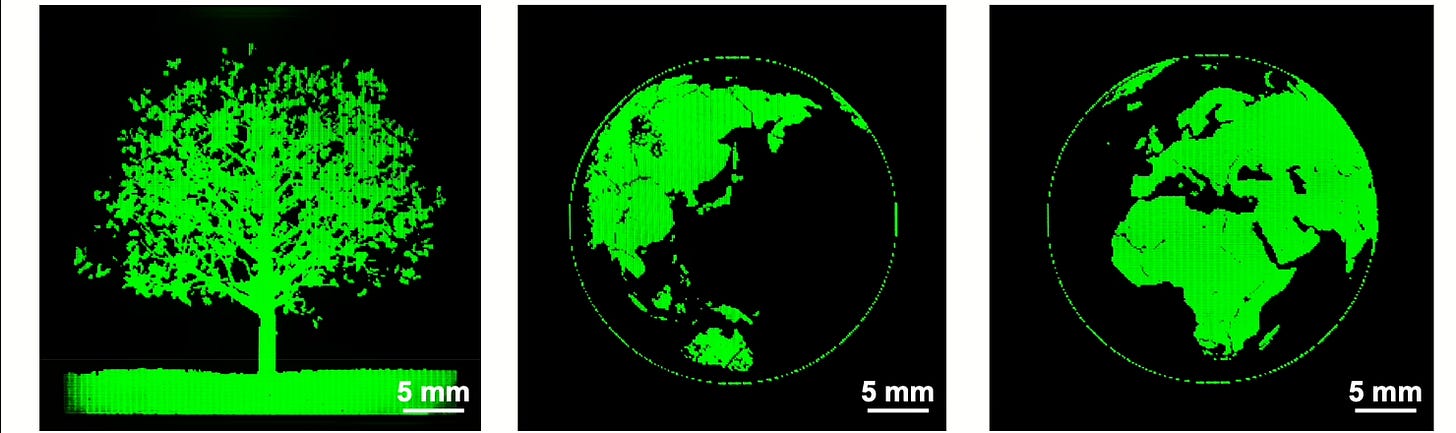
- The world’s smallest LED display features pixels measuring just 90 nanometers, roughly the size of a virus, using perovskite material to maintain brightness and efficiency at this scale. Another prototype, slightly larger and monochromatic, has pixels of about 100 micrometers (approximately the width of a human hair) and achieved a pixel density of nearly 127,000 pixels per inch. Some of these displays are too small to resolve with an optical microscope! Commercialization efforts hope to use them in future high-resolution, low-power displays, the research has at least shown that PeLEDs (perovskite LEDs) can scale with reasonable quantum efficiency. Full paper.
- Some fun links to round out the week:
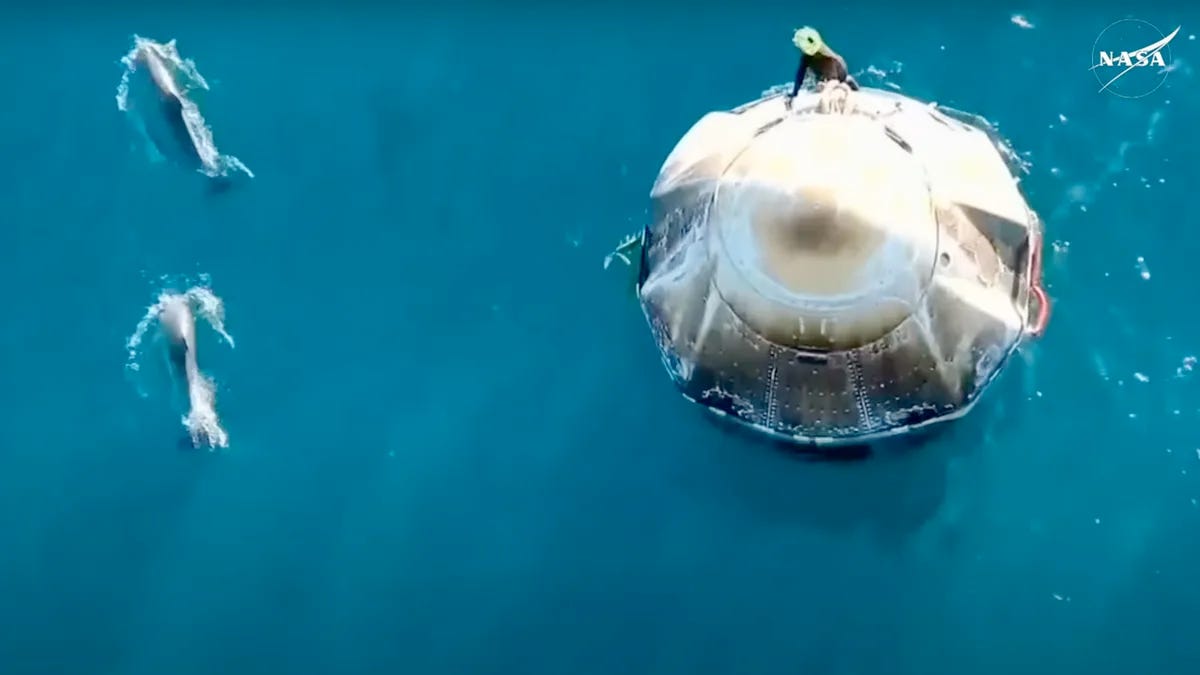
- After nine months aboard the ISS, the NASA astronauts who flew on Boeing Starliner’s first crewed test flight last June returned to Earth in SpaceX’s Crew-9 Dragon capsule, where they were greeted by a pod of playful dolphins. The undocking sequence from the ISS was also captured on footage worthy of a sci-fi film trailer.
- A computerized flat knitting machine in action:
Startup News 🚀
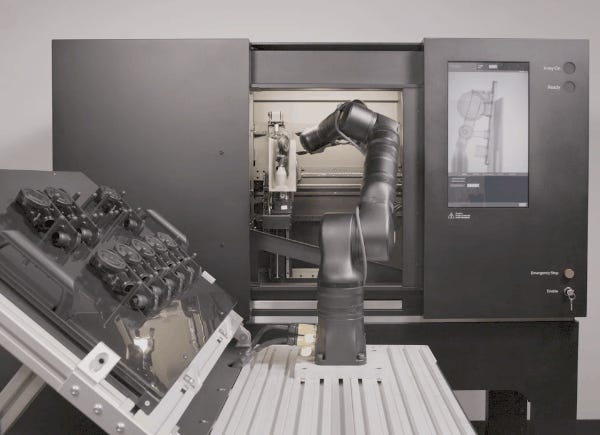
- Lumafield has secured $75 million in Series C funding to scale its growth in advanced manufacturing inspection technology. The company develops industrial X-ray CT scanners and AI-powered software that allows engineers to non-destructively inspect internal geometries and identify defects. The round will accelerate the expansion of its factory applications and the deployment of next-generation CT solutions. The funding round was led by IVP, with participation from new investors G2 Venture Partners and Wellington Management.
- Swish Robotics, a startup behind the cheeky domain cooking.sucks, has raised $2.5M in pre-seed funding led by Accel. The company is building specialized consumer robots for everyday household tasks starting with cooking. The first home bot, Bento, will be able to process fresh ingredients into a ready-to-eat one pot meal in 20 minutes.
- Funny timing: in the same week, another Accel-backed startup, Posha, shipped its first batch of a very similar looking home cooking robot.
- The Bot Company has raised $150M in new funding, boosting its valuation to $2 billion less than a year after its inception. Founded by former Cruise CEO Kyle Vogt, the company is focused on creating robots to handle household chores. This latest investment follows a previous $150 million round, even though it has yet to launch a product or generate revenue. The round was led by Greenoaks, with earlier backing from investors like Spark Capital and Nat Friedman.
- Capture6 has raised a $27.5M Series A to scale its tech for carbon removal and fresh water production. The company repurposes waste brine from desalination and similar processes, turning it into a solvent that mineralizes CO₂ and recovers additional water. The funding will support a project with Palmdale Water District to eliminate 100 acres of brine ponds and cut costs by up to 40%. The round was led by Tetrad Corporation, with participation from ZER01NE Ventures and Energy Capital Ventures.