This Week’s Highlights
- How to Machine a Square Hole with Shop Tools 🕳️
- Worldwide Subsea Cable Map 🗺️
- Robotic Massages 💆
Interesting Links 🏭
- Since the early days of the Cold War, the United States has maintained a nuclear triad: independent capabilities to deliver nuclear weapons from land, sea, and air. The sea and air components are straightforward (subs, jets). The land leg is more often forgotten: intercontinental ballistic missiles, or ICBMs. The US ICBM arsenal consists of 400 Minuteman Missles placed strategically throughout the Midwest. This article provides an in-depth analysis of the communication systems, including the use of the Hardened Intersite Cable System (HICS) operating at 1.3Kbps for internal communications. This allows for rapid retargeting capabilities, reducing the time to retarget a single missile from 12 hours to just a couple of minutes.
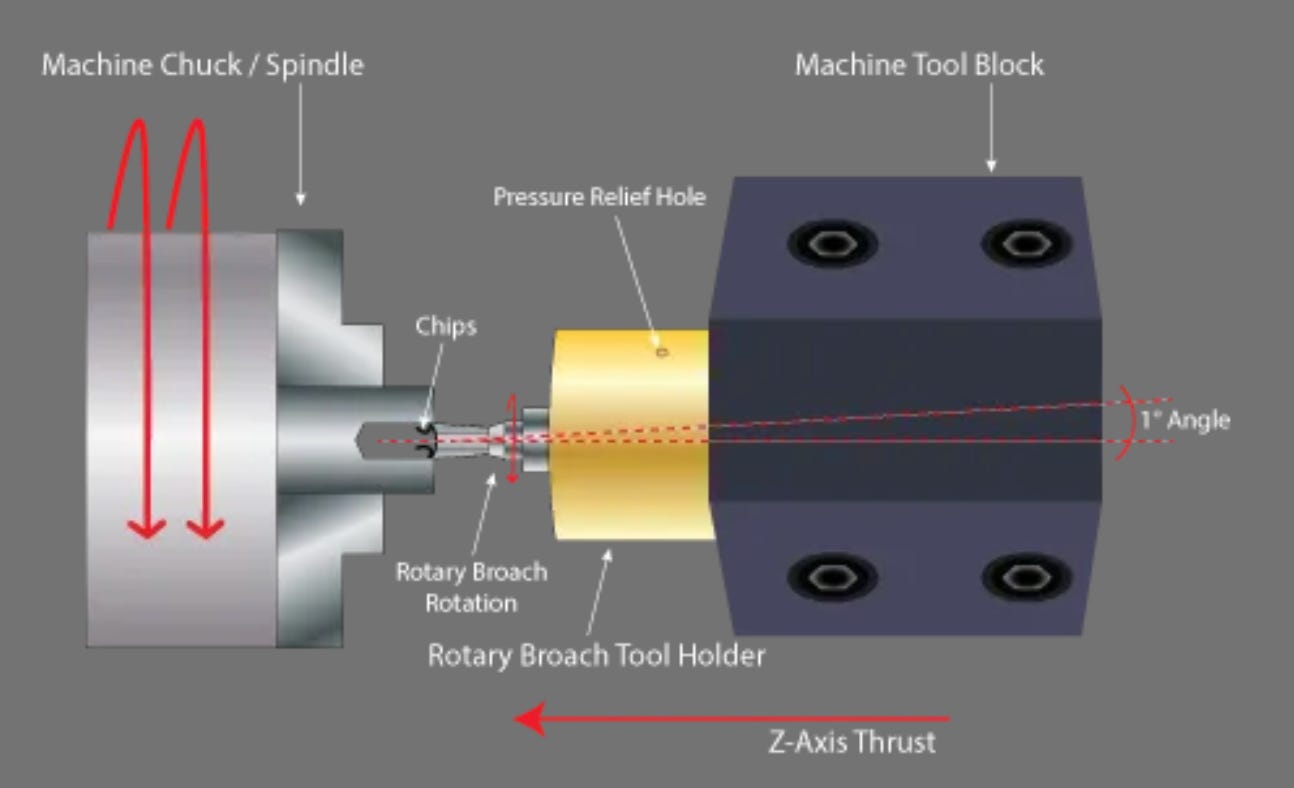
- Ever needed to drill a square hole into metal? Here’s a trick for drilling a square hole by Arduino Versus Evil (AvE), where he recreates a simple rotary broach with common parts found around the shop A rotary, or wobble broach, creates non-circular shapes by holding a cutter at a slight angle. As the broach rotates, it wobbles, progressively shearing material to form the desired shape. It's a common process for broaching squares, hexes, and keyways into metal.
- His Bored Of Lame Tool Reviews (BOLTR) playlist is full of great teardowns of common shop tools you’ve likely used in the past.
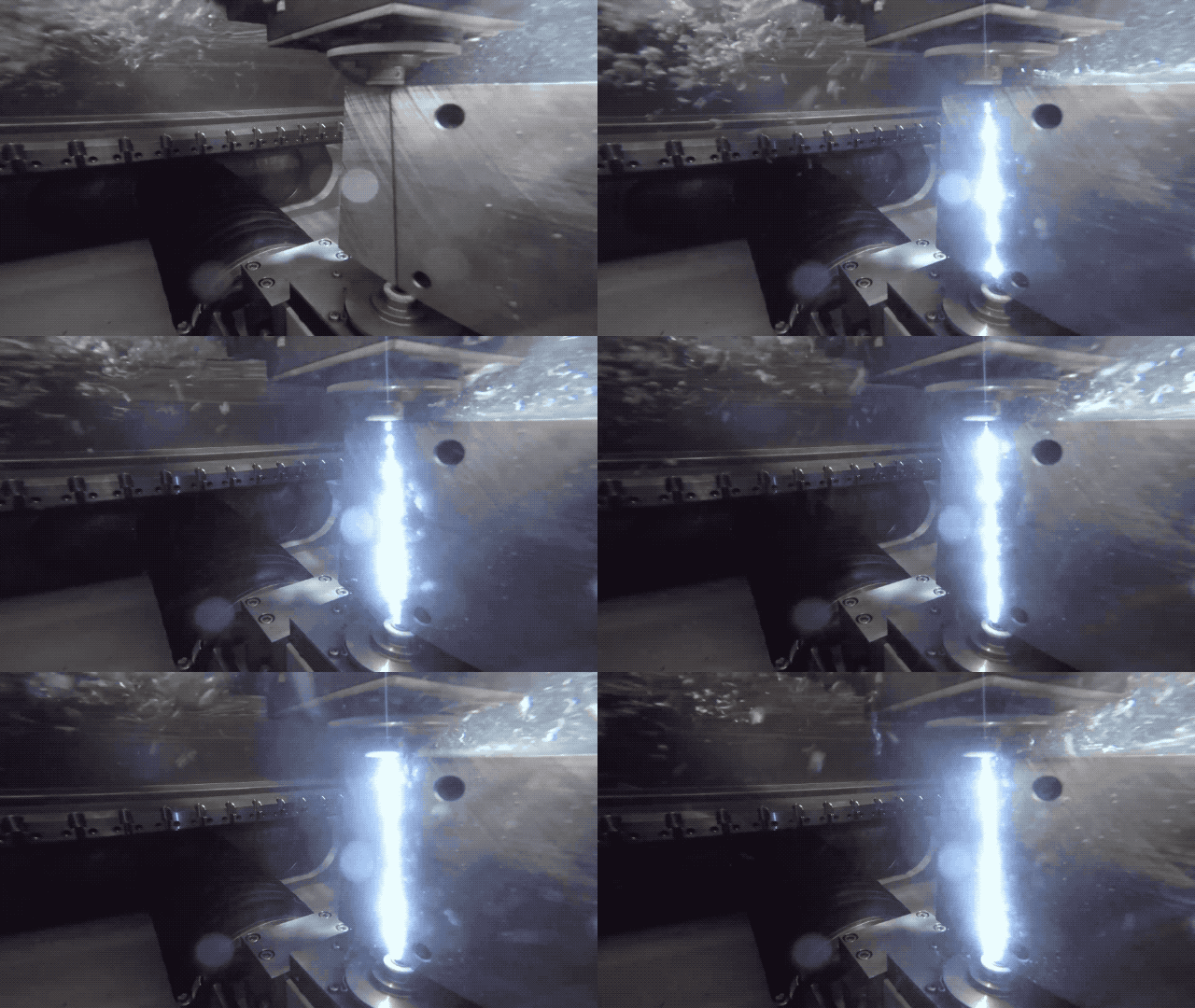
- Continuing the theme of impressive machines, Rack Robotics has created an open-source wire EDM kit that you can attach to 3-D printers or motion systems. Wire electrical discharge machining is a precision manufacturing process that uses a thin wire as an electrode to cut intricate shapes in conductive mates (100-300V applied at 50-500 kHz pulses, sparks erode material, DI water cools and flushes debris). Entry-level machines usually cost a minimum of $30-50k, whereas they’re selling the convertible kit for $550. It's fascinating to watch the barrier to entry for serious manufacturing capacity (even at low volumes) continuously lower for hobbyists. Full set-up video and Github here.
- A schematic review checklist for firmware engineers. Memfault gives a unique personal example to each checklist item, building this resource to help firmware teams catch software/hardware interaction bugs earlier in the design cycle when they’re cheaper to fix. These include ensuring proper power management, reset mechanisms, and bus communication protocols. Key considerations include how firmware shuts down the device, how a user resets a device, if all I2C devices on the same bus have different addresses, etc.
- The Australia-Asia PowerLink initiative aims to create a massive renewable energy system, including a 20 GW solar farm in Australia's Northern Territory and a 4,200 km subsea cable to export 1.75 GW of electricity to Singapore. This would be one of the world's largest solar farms and longest power transmission systems, with the potential to provide up to 15% of Singapore's energy needs in addition to 800MW for Darwin, Australia!
- As of June 2024, there are over 600 active and planned submarine cables globally, spanning nearly 1.4 million km. These cables can carry up to 224 Tbps of data (even large data centers are < 500 Gbps) and handle about 99% of global data traffic. They’re as thick as a garden hose with fiber-optic cores wrapped in protective layers. There’s even an updated submarine cable map that shows nearly every subsea cable around the world.
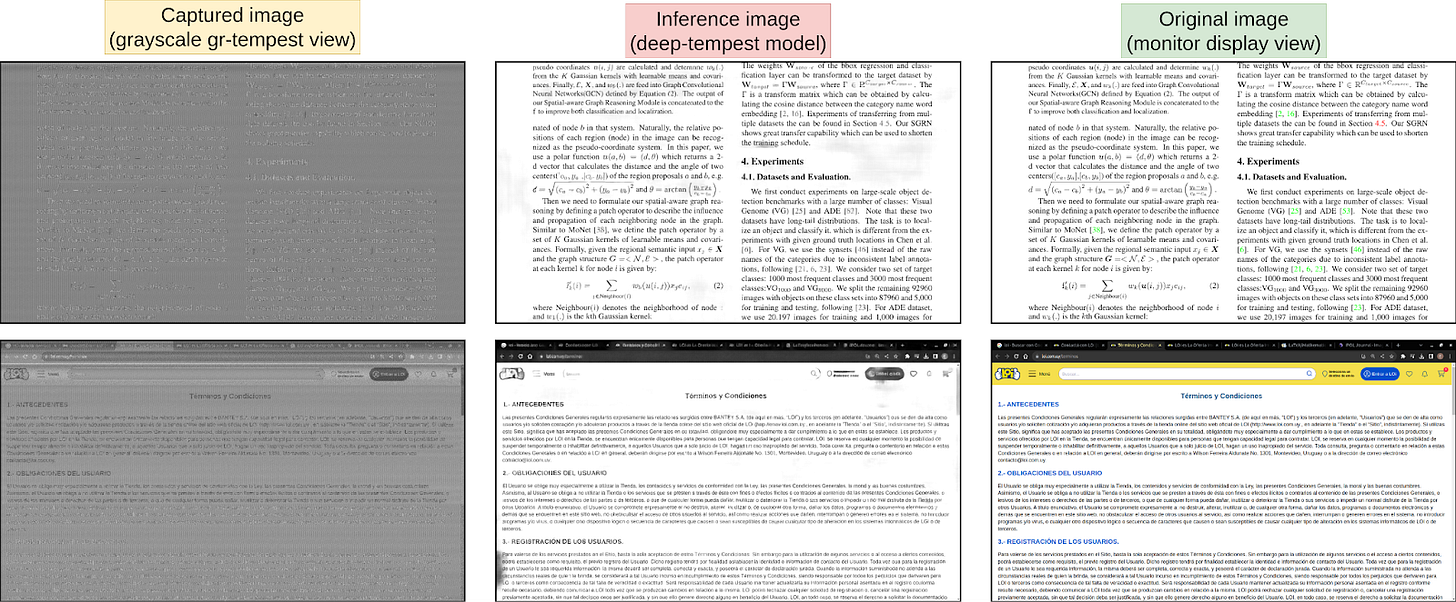
- "Deep-Tempest," is a project that uses software defined radio (SDR) and a trained convolutional neural network (CNN) to spy on HDMI displays. A TEMPEST attack, exploits electromagnetic emissions from electronic devices to reconstruct the displayed content. Signals can be sourced from any source that has unintentional release of electronic magnetic signals/radiation that carry data processed within the device, like cable and connectors. Using a CNN, the results are sharpened from the captured image (yellow) to the inference image (pink). Full paper and GitHub here.
- Junction field-effect transistors (JFETs) are voltage-controlled devices characterized by high input impedance and low noise, making them ideal for applications in amplifiers, oscillators, and switches. The NASA Glenn Research Center provides a comprehensive guide on designing durable silicon carbide (SiC) JFET integrated circuits capable of operating at temperatures up to 500 °C (for thousands of hours continuously). Most common IC interconnect materials like aluminum or copper cannot withstand the 500°C operating temperatures of these SiC JFETs, which use tantalum silicide for interconnects.
Fun fact: TEMPEST attacks emerged as an emission security concern during World War II when it was discovered that radios and radar equipment emitted signals that could be intercepted.. This issue intensified during the Cold War, as sensitive information was found to be vulnerable to interception from unintentional electromagnetic emissions from devices like typewriters, teleprinters, and early computers.
From an accuracy standpoint, wire EDM is capable of high precision tolerances as tight as 0.0001″ (2µm micron) - that’s approximately 1/35th the diameter of a human hair!
Startup News 🚀
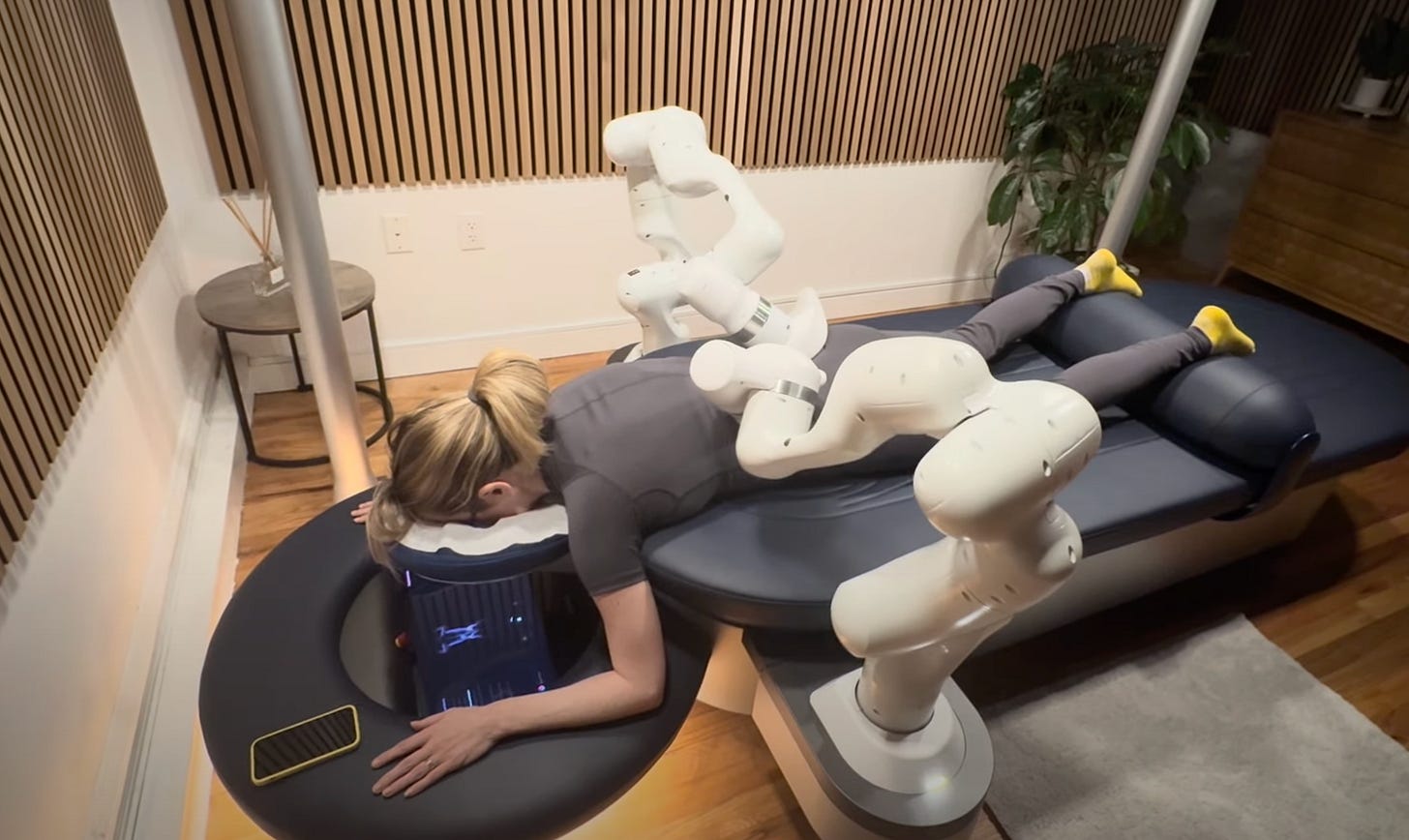
- Aescape recently unveiled their robotics massage platform through a partnership with the Lotte New York Palace Hotel, with plans to deploy 200 more units. This machine delivers customizable deep tissue massages using silicone pads that mimic human hands and uses an array of sensors to create a 3D scan of the user’s body before the massage. After developing an early prototype, Aescape partnered with Whipsaw, a San Francisco product development firm, to finalize the product. The company last raised a $30M Series A in 2022 led by Valor Siren Ventures and Valor Equity Partners.
- Armada has raised an additional $40M from Microsoft to develop mobile data centers. These centers use Starlink's space-based connectivity to offer edge computing directly at customer sites, enabling AI functionality even in areas without terrestrial data connections (i.e. land-based infrastructure like fiber optic, cellular networks, etc.). Founders Fund previously led a $55M round for Armada when they launched from stealth 6 months ago.
- Lillium has signed a binding agreement with Saudia Group for the sale of 50 eVTOL(electric vertical takeoff and landing) jets, with an option to purchase an additional 50 jets. This deal makes Lilium the third eVTOL startup, alongside Joby and Eve, to receive an order from Saudi Arabia-based companies.
- Marathon Fusion has raised a $5.9M seed round to develop fusion-ready hydrogen for future fusion reactors. The company is refining a process called superpermeation, which uses the exhaust heat from a breakeven fusion reactor to generate tritium, a scarce isotope of hydrogen essential for fusion. Despite the early stage of commercial fusion power, Marathon aims to address the fuel scarcity and has support from notable fusion startups like Commonwealth Fusion Systems and Helion Energy.
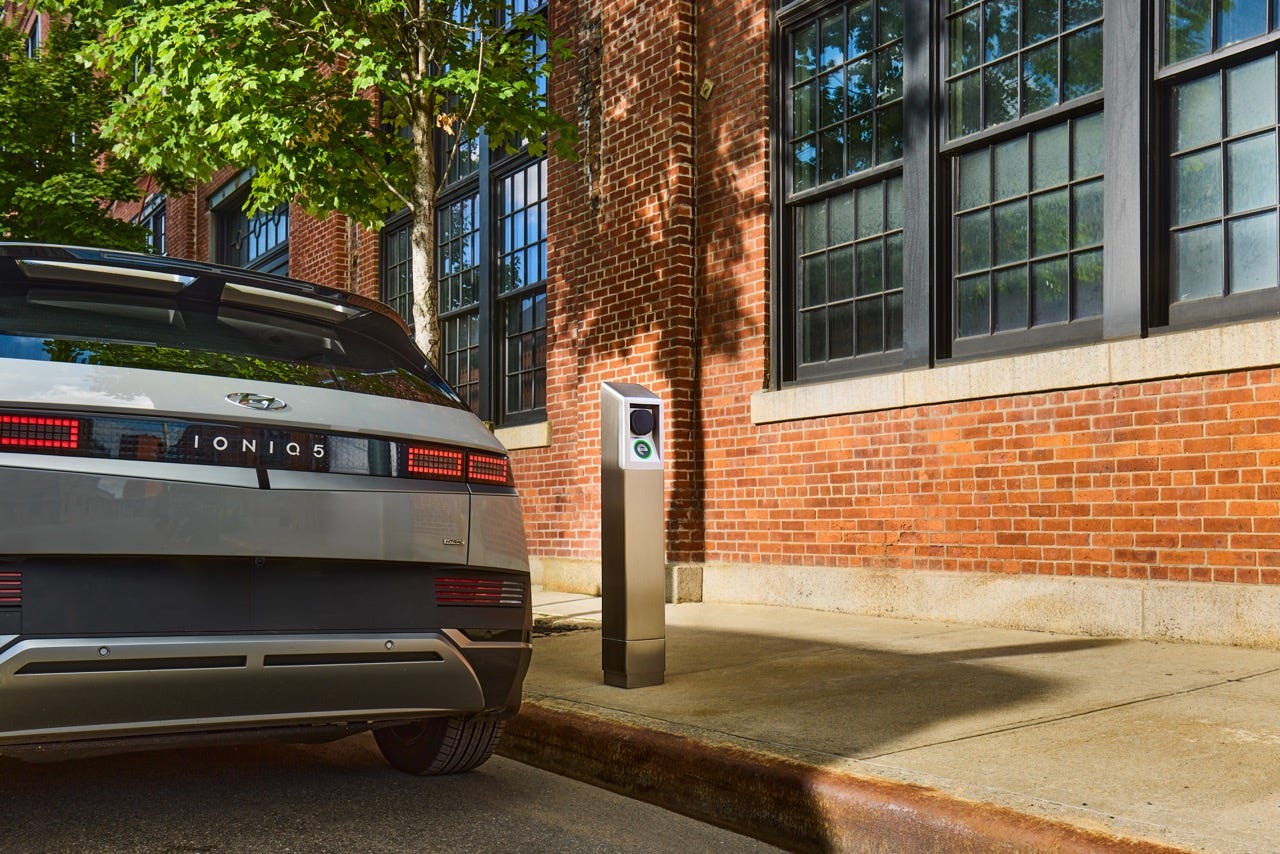
- itsselectric, a Brooklyn-based electric vehicle curbside charging company, raised a $6.5M seed round to develop a roadside level II (220-240 volts) electric vehicle charger. The company offers a unique revenue-sharing model with property owners, allowing chargers to be installed without any upfront cost. The round was led by Failup Ventures and Uber Technologies.
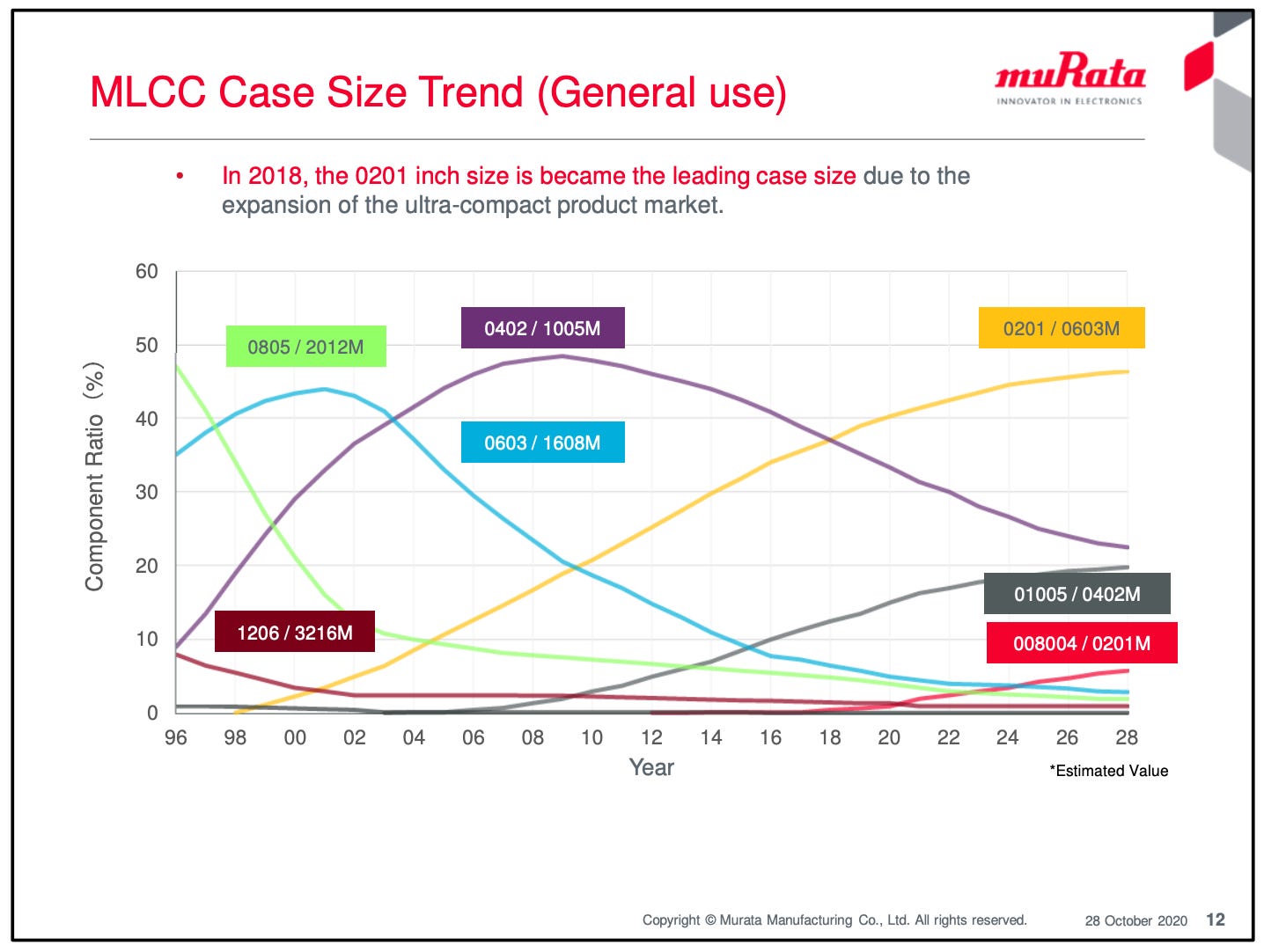
Components are getting smaller and smaller (a 1206 capacitor is 30x larger than an 0201). From Murata’s HiCap presentation, case size trend of multi-layer ceramic capacitors.