

Interesting Links 🏭
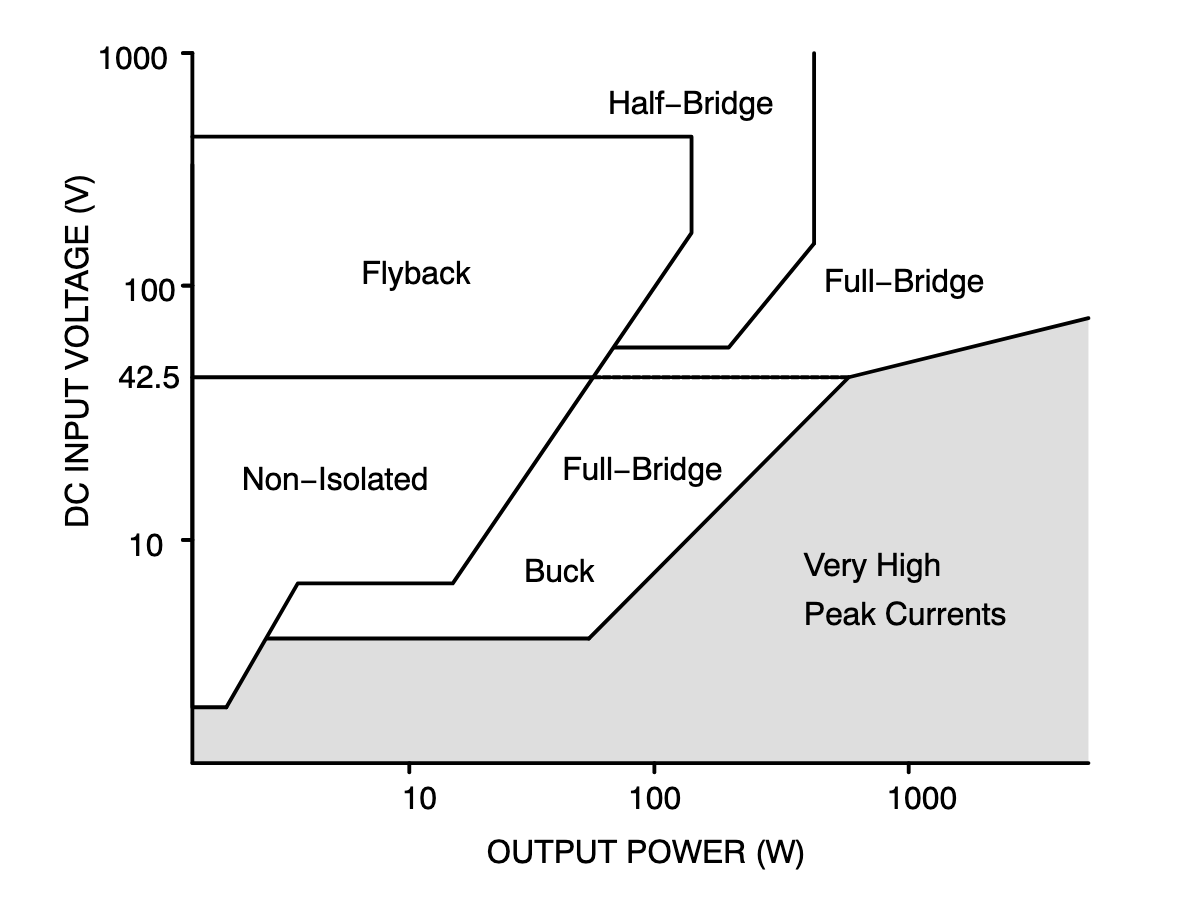
- Every electronic product, unless it runs on batteries, needs to convert 115V or 230V AC power into DC to operate. If you're reading this on a laptop, your charger is likely a switch-mode power supply (specifically a flyback switching design) and inside the laptop, the power management IC uses linear voltage regulators to deliver clean, stable power to its components. For anyone diving into power electronics, On Semiconductor’s switch-mode power supply manual is arguably more practical and readable than most textbooks.
- Linear: Linear regulators work by stepping down the input voltage through a bipolar transistor or MOSFET operating in its linear mode. This keeps the output voltage stable but wastes energy as heat, making them inefficient for applications above ~10 watts. Linear power supplies are still used when low noise, and high stability are needed for devices like audio and test equipment.
- Switching: Switching regulators use high-frequency switching of their power transistors between on and off states. They convert AC to input DC, then use a semiconductor switch to produce high-frequency AC, which is transformed to the desired voltage, rectified, and filtered back to DC. This method is highly efficient (65–95%) and can step up, step down, or invert voltages using transformers. The trade-off? Greater complexity, switching noise, and the need for extra filtering. Common examples include LED drivers, battery chargers, and AC-DC adapters.
- Before the holiday break, YCombinator released their Request for Startups: a list of ideas that their team is interested in funding for an upcoming batch. We wanted to bring it to your attention because there’s an overwhelming interest in hardware and manufacturing, a stark contrast to their bread and butter with SaaS and software startups. An overview of the interest areas for W25:
- Public Safety Tech: Ideas around faster emergency response, communication safety, and advanced computer vision
- LLMs for Chip Design: LLMs focused on ASIC and FPGA design
- AI-Aided Engineering Tools: Next-gen CAD/CAM, CFD, and EDA tools for circuit & chip design
- New Space Companies: New business ideas in the modern space era. As the cost to reach orbit has fallen 10x since 2006, startups can now build and launch satellites with seed funding
- Government Software: AI software to automate work done by the government
- US-Based Manufacturing
Note from Benji & Mihir: Several of our readers have been accepted into recent batches, and it would be great to see even more founders from this community take the leap. Good luck & reach out if we can help in any way!
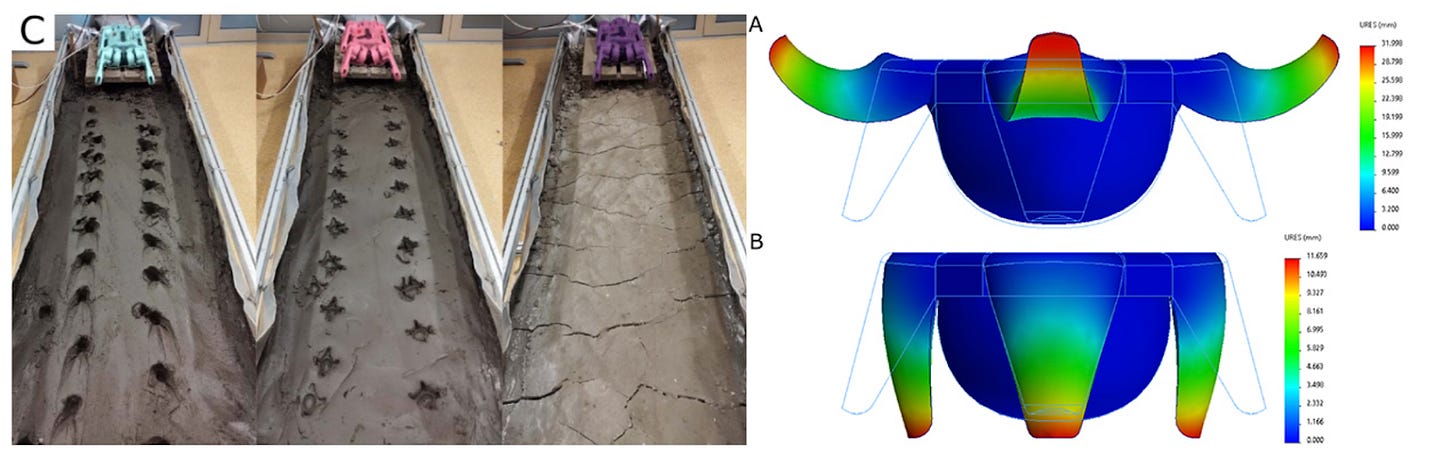
- Moose-like feet on quadruped robots? Researchers from Estonia have developed a moose-inspired end effector design for robot dogs which reduces the mechanical cost of transport (work divided by body mass times distance) by up to 70% on muddy or snowy terrain. The split hoof design takes inspiration from ungulates (moose, elk, bovines, etc) whose split hooves can break the suction force created by wet conditions. Most of the efficiency gains compared to flat dry ground come from lifting the hoof from the mud efficiently, and recovering that energy for the next step. Full paper here.
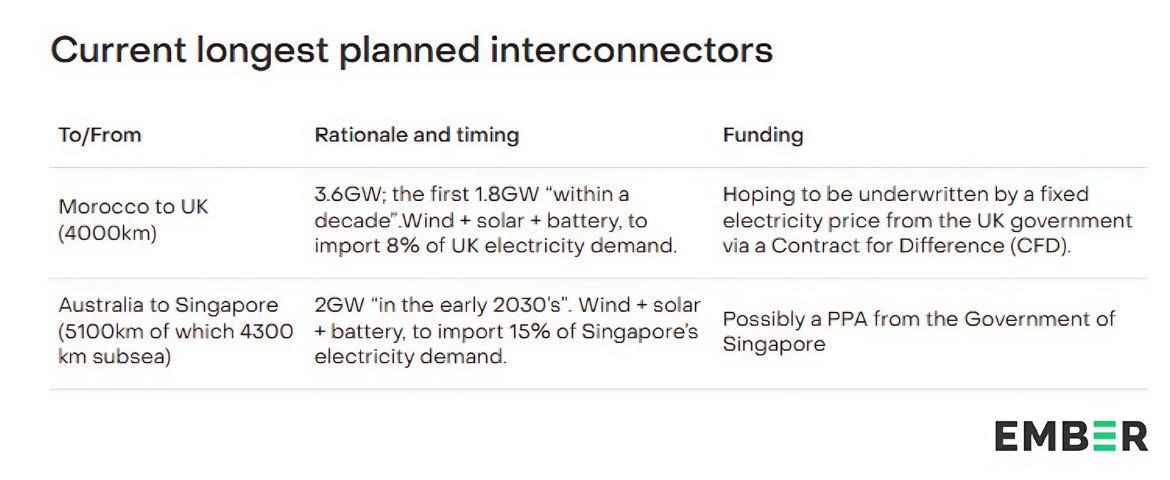
- Ember, a UK-based energy think tank, makes a compelling case for a transatlantic electricity interconnector. By leveraging the six-hour time difference between France and New York, it could help balance renewable energy supply more efficiently. Macro climate events like wind patterns, which often behave inversely across continents on the windiest days, could smooth out fluctuations. Eastern Canada’s ~50GW of hydro capacity could further shift market dynamics by tapping into higher-value European markets. While the idea hinges on advances in cabling technology that aren’t yet feasible, projects like the 800 km Viking Link between the UK and Denmark offer a glimpse of what’s possible for sharing renewable energy at scale.
For our pickleball enthusiasts out there, there’s actually two ways to mass manufacture pickleballs: 1) Roto-molding where plastic is poured into a mold, gyrated until firm, and holes are drilled or 2) Injection molding where plastic is injected into a mold with pre-formed holes creating two halves, and then bonded through ultrasonic welding. Check out the manufacturing videos below—one even comes with a soothing piano soundtrack for zen vibes.
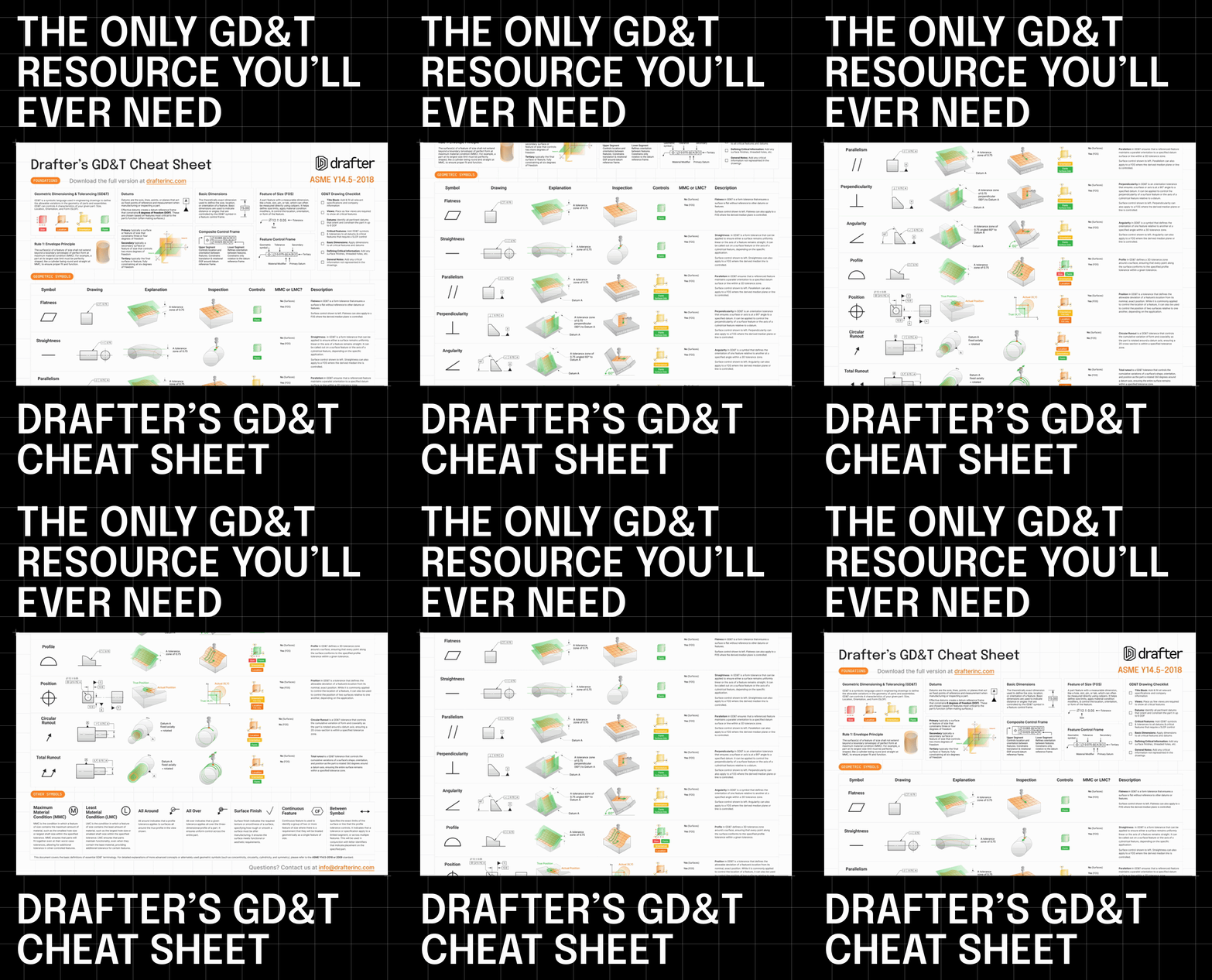
- A handy cheatsheet on GD&T from Drafter.
3D Printing Design Competition 🏆
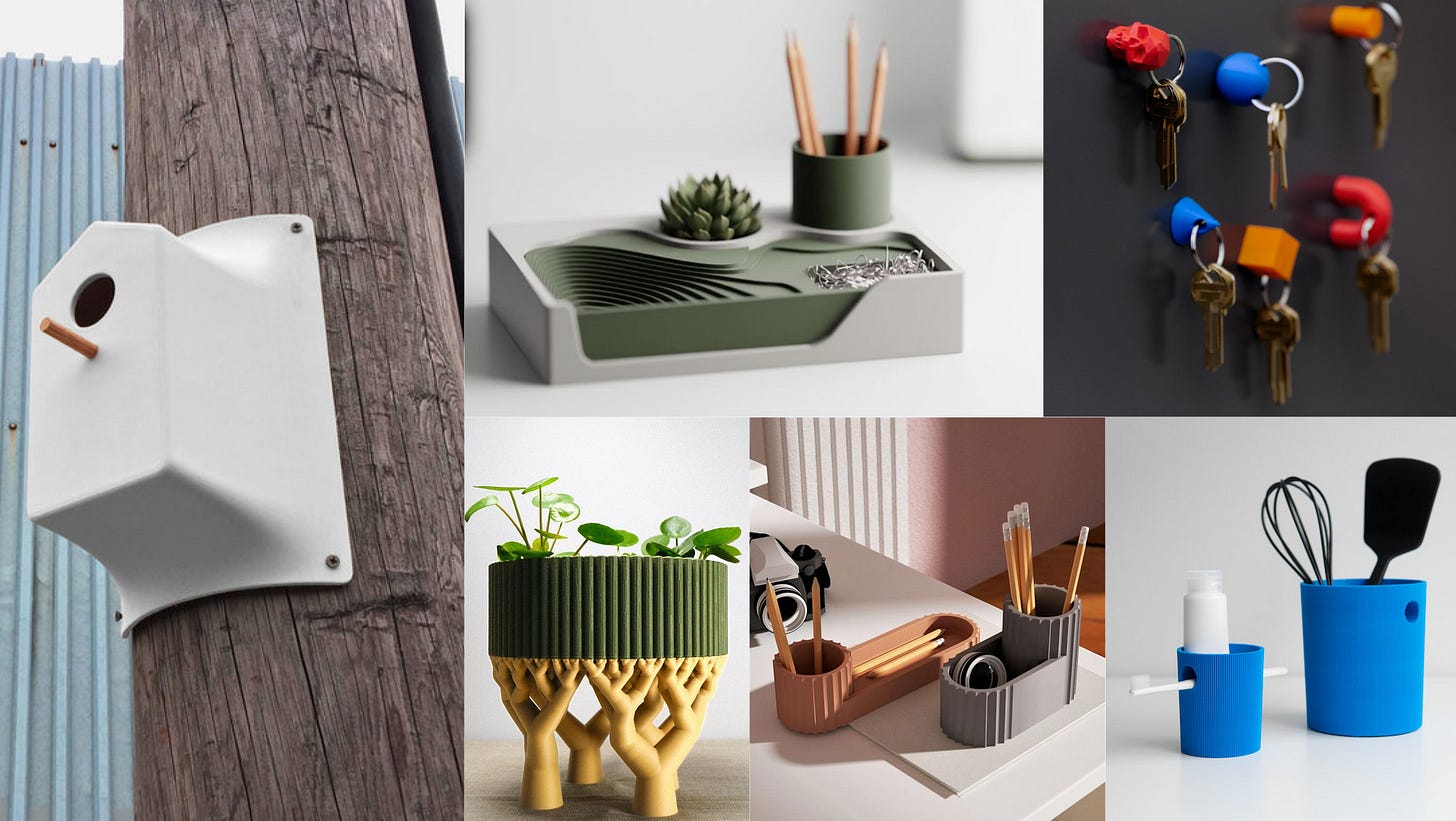
New Year New Me? We’re teaming up with Makelab to kick off the year with a personal challenge! Design a 3D printable idea for a practical household need (think organizers, kitchen tools, or storage hacks) and we’re giving away $500 in prizes! Check out the application page for more information and examples.
Startup News 🚀
- eVTOL makers raised a combined $11.5B in the last three years, but it hasn’t looked great for some of the major players recently:
- In late 2024, Lilium laid off almost all its staff and filed for bankruptcy after their path to certification was obstructed by the complex demands of meeting EASA and FAA regulations. Reliability concerns from a prototype fire, financial insolvency halting manufacturing, and unresolved battery issues stalled Lilium's production, casting doubt on readiness. A financial rescue by Mobile Uplift Corporation GmbH in December offered hope with new funds to navigate certification and resolve reliability challenges ahead of production.
- Following Lilium's financial recovery, the German eVTOL manufacturer Volocopter has also filed for insolvency to restructure while seeking new investments.
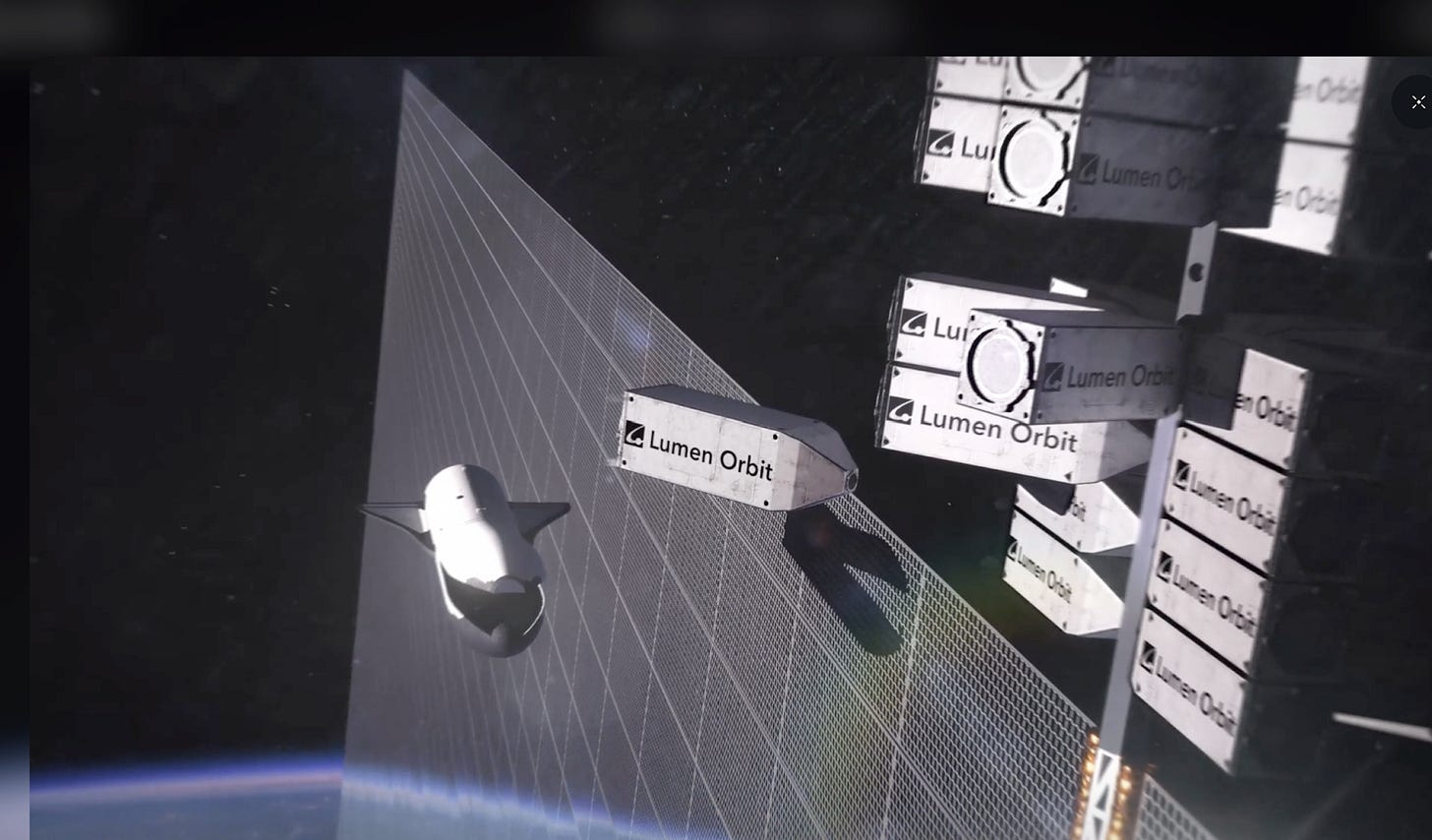
- Lumen Orbit, a startup aiming to build data centers in space, closed an $11 million seed round amidst intense interest from over 200 VCs valuing the company at $40 million. The company is building modular orbital data centers that connect to large solar panels and use high-bandwidth optical lasers to transmit data to Earth, aiming to achieve multi-gigawatt compute clusters by the end of the decade. The round was led by NFX with participation from Fuse VC and Soma Capital.
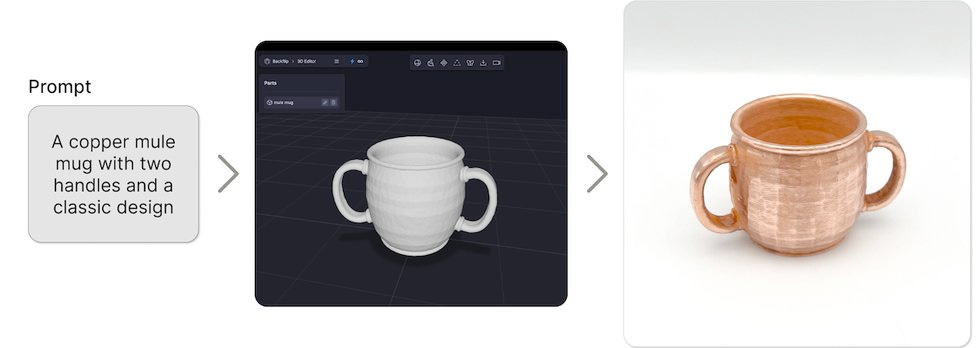
- Backflip, founded in 2022 by former Markforged executives, is building software that turns text, photos, or sketches into 3D-printable designs. Their recent $30 million Series A round was led by a16z and NEA.
- Swave Photonics has raised $28.3 million to to develop its holographic extended reality (HXR) platform, using the world’s smallest pixels to create high-quality 3D holograms for augmented reality. Their technology aims to overcome traditional AR challenges like cost, size, and visual discomfort, with their approach recently earning a CES Innovation Award for 2025.