

It’s the start of a new year and we wanted to kick it off with a fresh newsletter format! Treat us like a friendly tap on the shoulder, offering you a curated mix of jobs, stories, and maybe a few doodles to spark your curiosity and keep you in the loop.
NASA’s trip to the moon 🌙
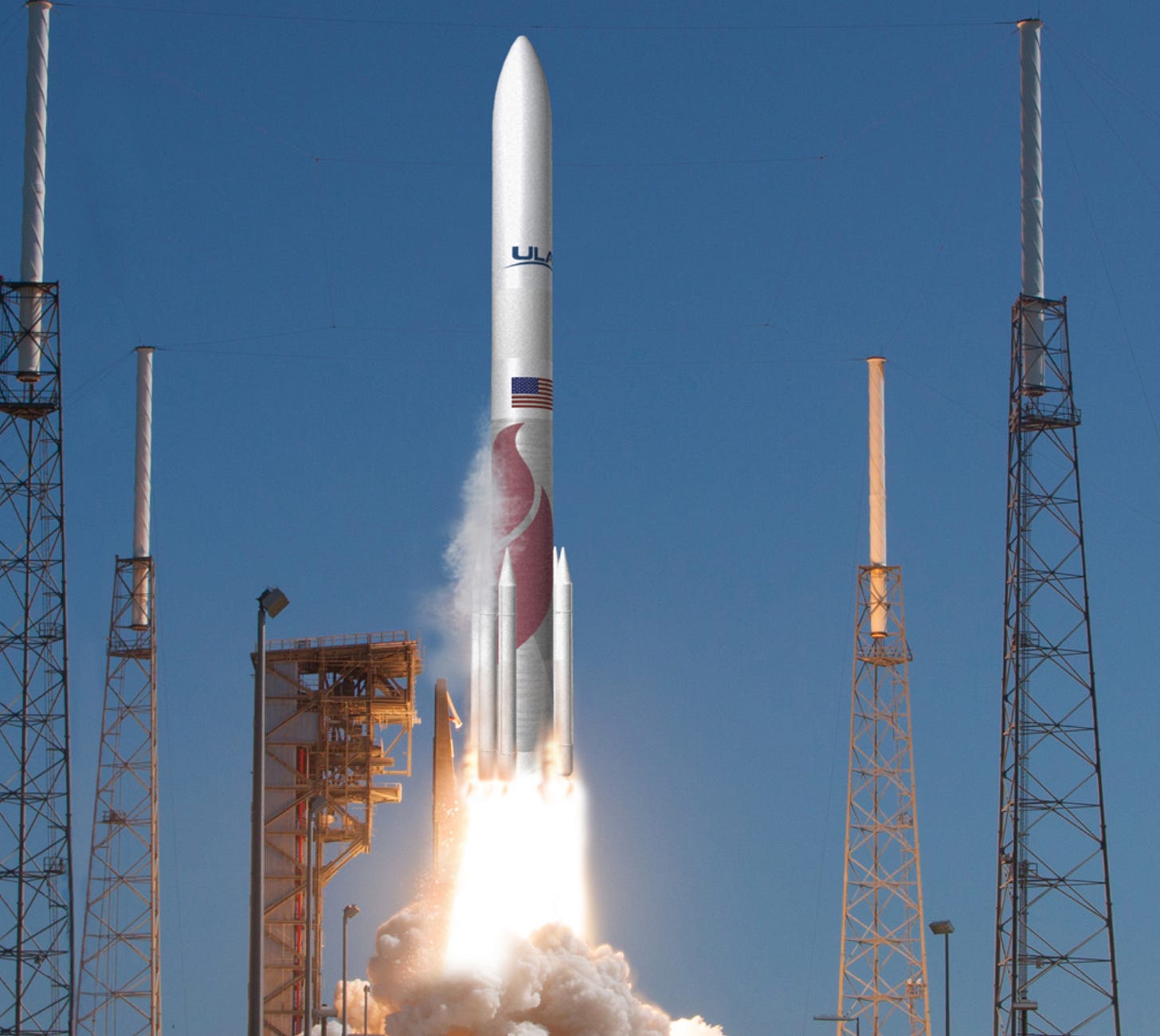
NASA’s Artemis program includes Peregrine Mission One which will deliver a robotic lander to the Moon.
It was originally scheduled to launch December 24th, 2023 abroad a ULA Vulcan Centaur rocket.
However, it was delayed with a new launch window starting January 8th, 2024 and is viewable on their youtube channel.
This mission will be the first time the Vulcan Centaur rocket will be seen in action and also NASA’s first commercial space mission.
Stellantis battery swapping tech for EVs 🔋
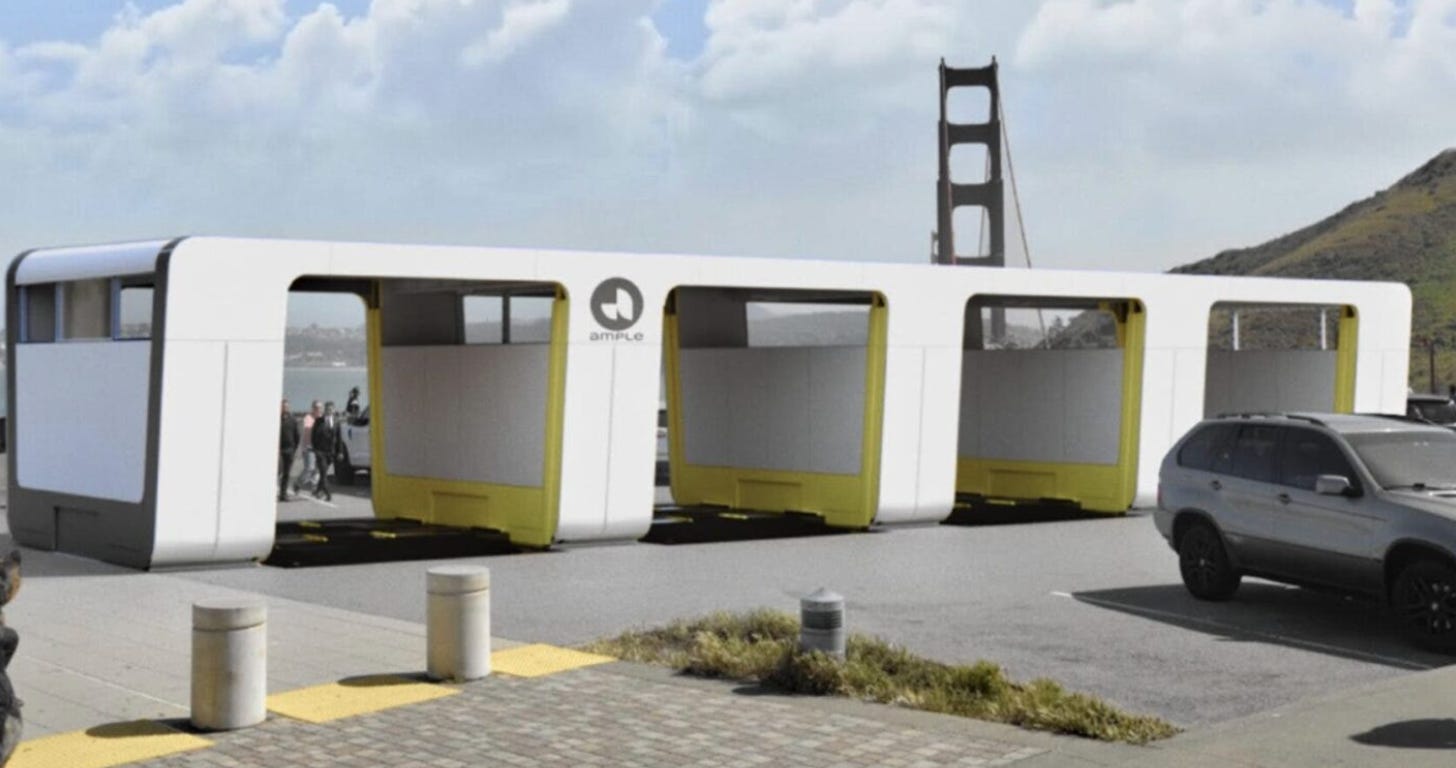
Stellantis has parted with Ample, an EV start-up, to combine Ample’s battery swapping technology with their EVs.
This integration will allow EVs to swap a depleted battery with a fully-charged one in less than 5 minutes, making it competitive with traditional gas pumps.
The program is planned to launch initial testing in Madrid, Spain in 2024.
Useful Resources for MEs & EEs 📓
Resources that first come to mind are usually big applications like SolidWorks, MATLAB, and Ansys. But here are some web-based tools that will also assist you in your engineering journey:
- Engineering Prep provides free daily practices problems for mechanical engineers prepping for their EIT Certifications, FE Exams, and Interviews
- Fractory allows you to upload CAD files and receive instant laser cutting quotes for free to compare different materials, shapes, and costs
- HardwareNxt is a 10 week curriculum consisting of lectures and projects for both ME’s and EE’s.
- MatWeb is an extensive database to find material properties for various materials
Autonomous Farms by 2030 🚜
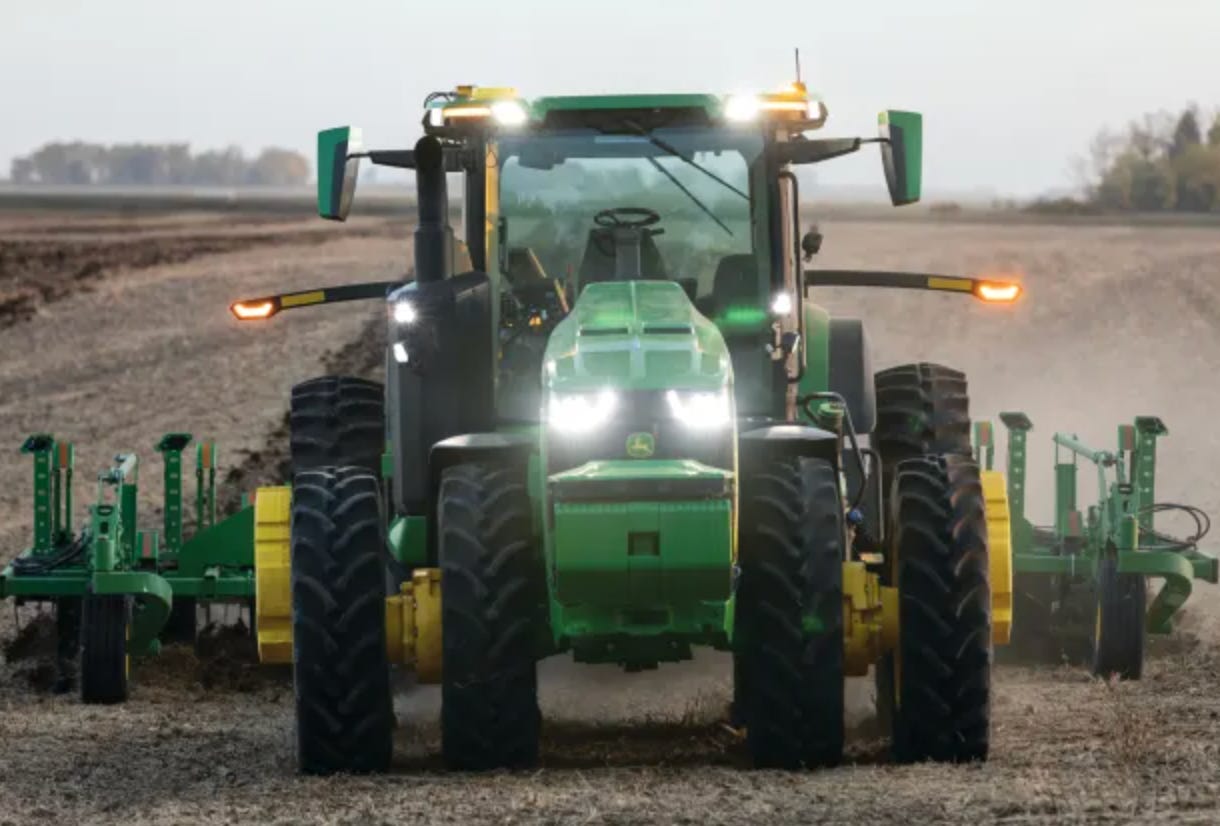
With increasing population and climate demands, machine learning and computer vision will play a vital role in assisting farmers for the future.
One example of this application is See & Spray which applies herbicides only when weeds are detected in the field and greatly reduces the amount of herbicide sprayed.
John Deere has its goals set on developing autonomous corn and soybean farms by 2030 by utilizing other fields in sensors, robotics, and connectivity in addition to machine learning.
Question of the Week: Nyquist Theorem 📊
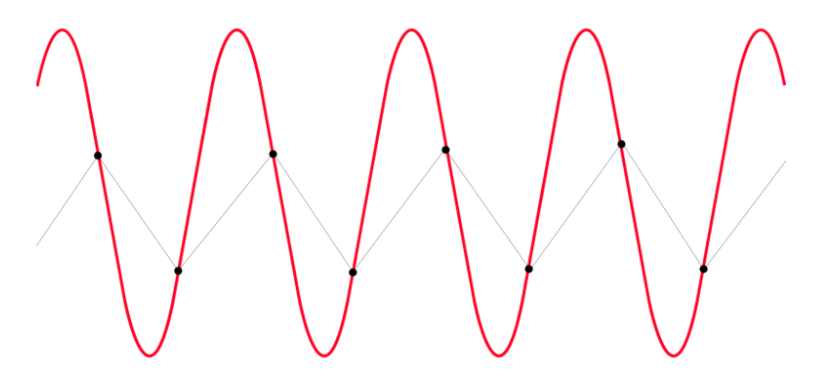
Let’s say you’re given a receiver to read in transmitted data. How often should you measure its value? A frequency too high will be costly and too low will be inaccurate.
The Nyquist Theorem states that a signal can be accurately reconstructed by sampling 2x the highest frequency its receiving.
However, increasing this to 4x or even 10x will reveal more about the signal’s amplitude and shape in addition to its frequency.
Clarifying questions can help reveal a more definitive answer. For example, the total reading time, limitations on data storage, or costs of data storage.
See the full discussion here - community support in solving these interview questions is always welcomed!