

Topics worth your time this issue: a teardown of the phased array antenna inside every Starlink terminal, the chaotic web of circles known as the Smith Chart, build instructions for a DIY shop elevator, and an unmanned surface vessel doing its first operational work for the Navy.
Interesting Overview: Starlink's Phased Array Antenna
Internet access is near ubiquitous, yet it’s still surprisingly young infrastructure. It feels like a utility, something so embedded in daily life that you only notice it when it disappears. But unlike water, power, or gas, its quality still varies wildly depending on where you live, and the infrastructure is still early enough to be actively rewritten in real-time.
Short of deorbiting a satellite, the most interesting piece of Starlink that users can get their hands on is the user terminal, and this is one of the best technical breakdowns of how ‘Dishy McFlatface’ steers a beam at a satellite crossing the sky at 27,000 km/h.
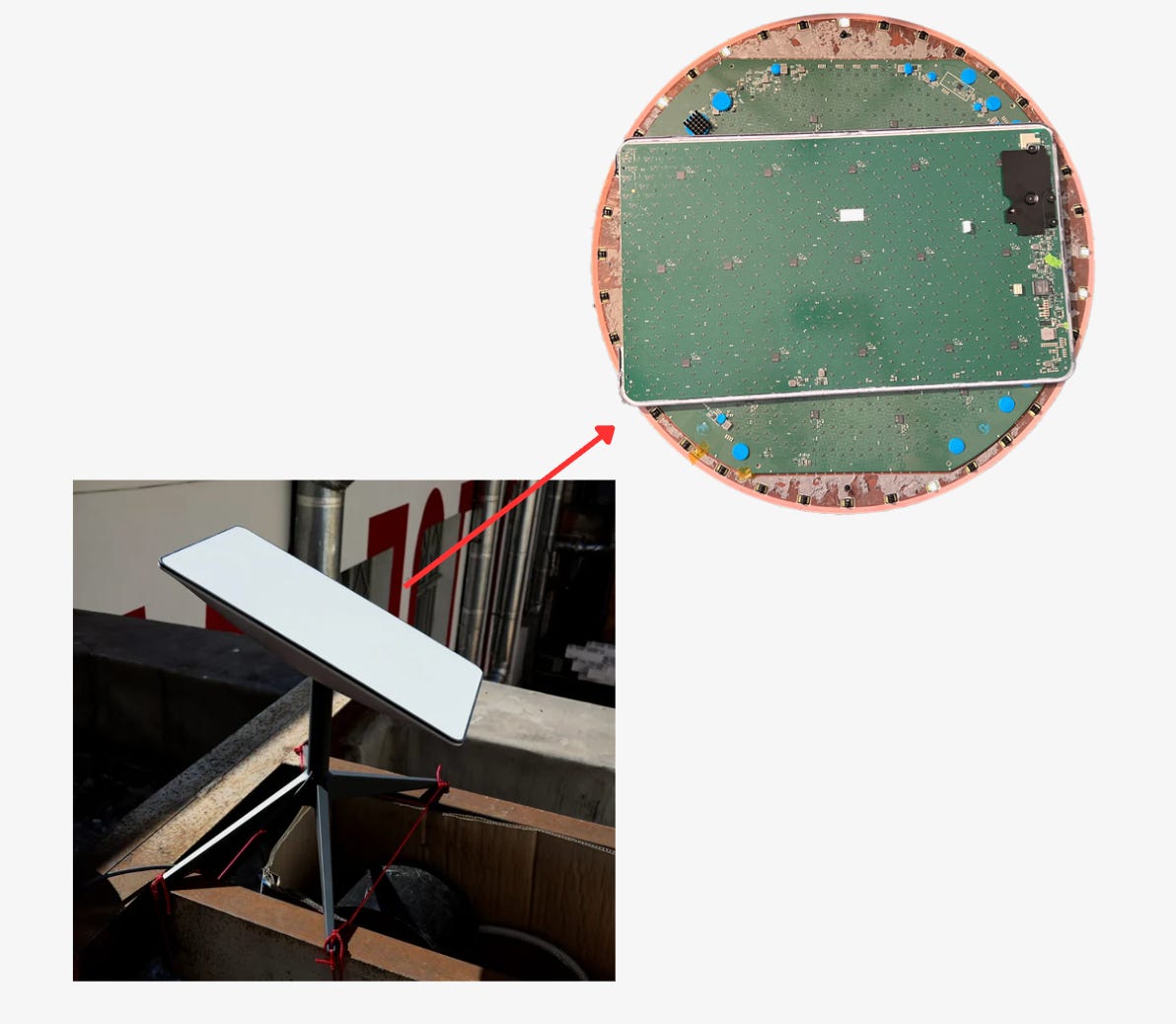
Before Starlink, phased array antennas mostly lived in applications where cost wasn’t the binding constraint. Think applications like military radar, maritime terminals, or niche commercial satcom products running tens of thousands of dollars per unit. The reason is visible once Dishy is opened (and also why SpaceX subsidizes the terminal): it’s a 55 cm PCB covered with 1,280 small patch antennas, arranged in a hexagonal grid and coordinated by front-end modules and beamforming chips. A normal satellite dish points by moving the whole reflector, whereas a phased array antenna like Dishy points by coordinating many small antennas so they behave like one larger antenna.
There are finer points to the physics worth reading slowly, and Curtis does them full justice: flat patch antennas on the PCB, phase shifting to electronically steer a beam, and how tiny antennas constructively interfere into a signal 3,500 times stronger than any one of them alone.
A related note, in the same vein of how impossible businesses can become ordinary technology, is this perspective from Gwynne Shotwell, SpaceX’s president and COO:
“I think engineers think better when they’re pushed hardest to do great things in a very short period of time, with very few resources. Not when you have twenty years,” Shotwell said. “I don’t think there’s a motivation or a drive there.”
More From Around The Web
- Andrew McCalip, Varda’s head of R&D, went viral this week for building an ad network on Claude Code’s progress bar.
- A collection of founder horror stories from VC pitch meetings.
- Lego continues to be the most useful medium for explaining mechanical principles.
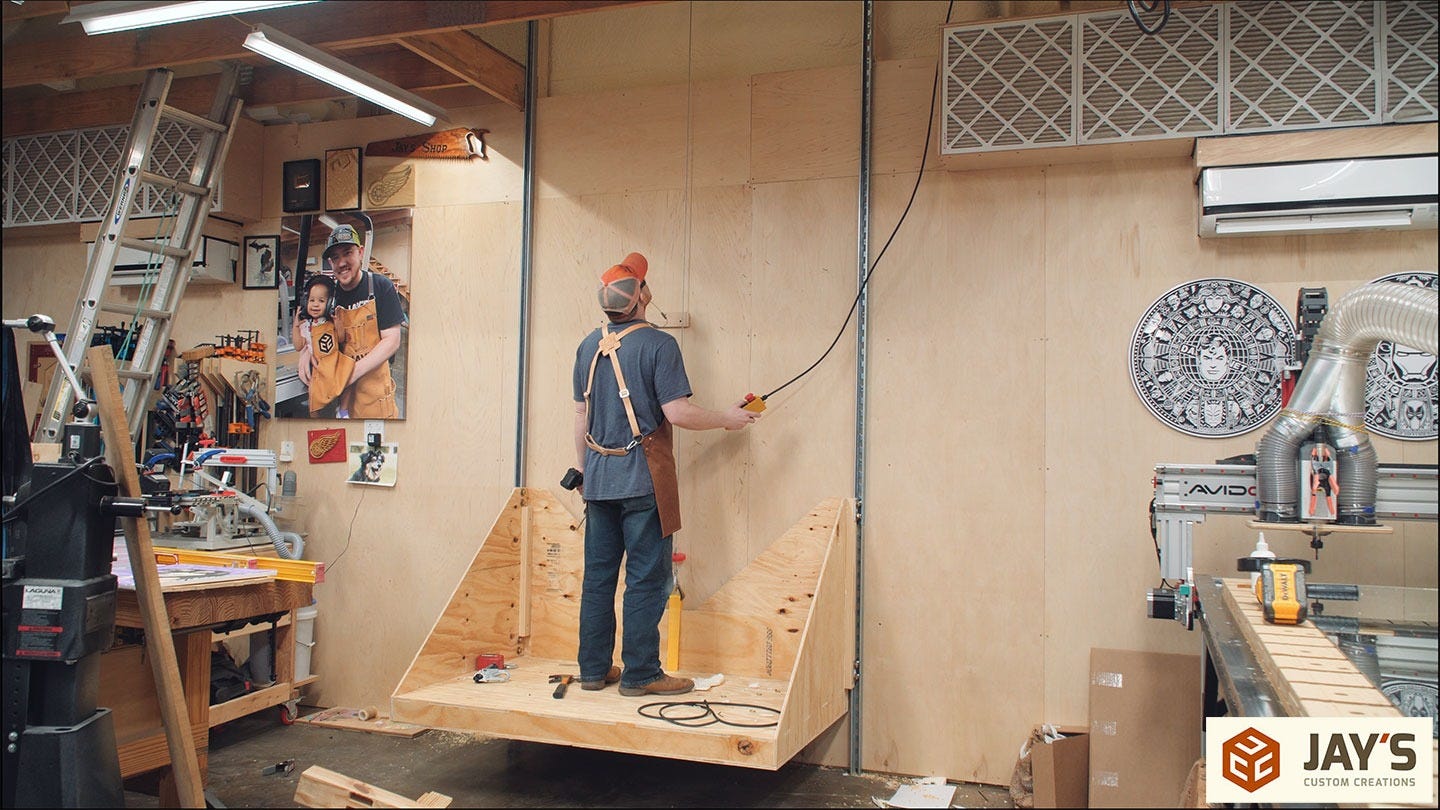
- A DIY elevator for a shop loft. The full build instructions, and companion video.
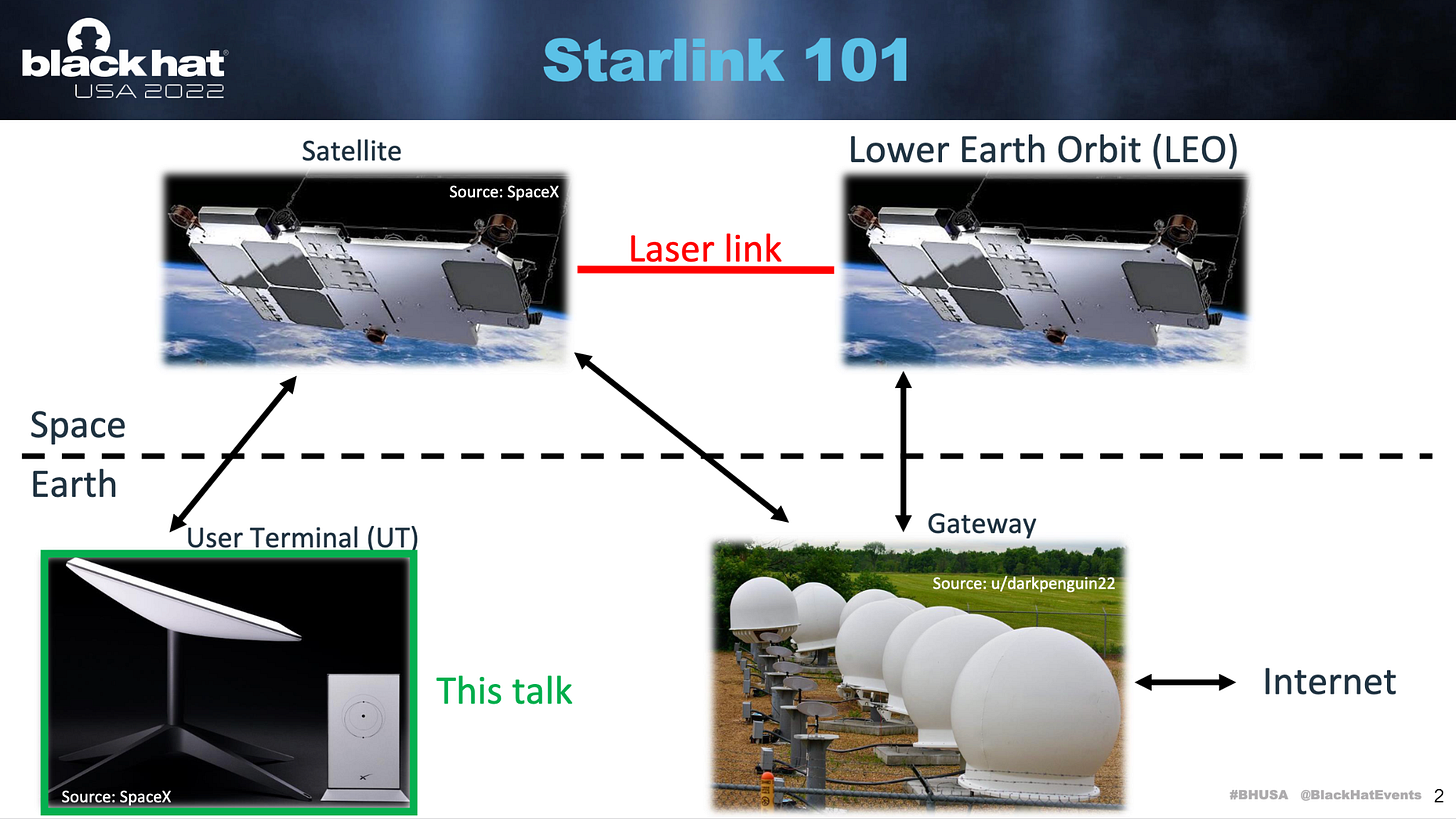
- More related to Starlink: a black-box security evaluation of the user terminal.
- Mapping WHOOP data to calendar meetings to rank the most stressful coworkers.
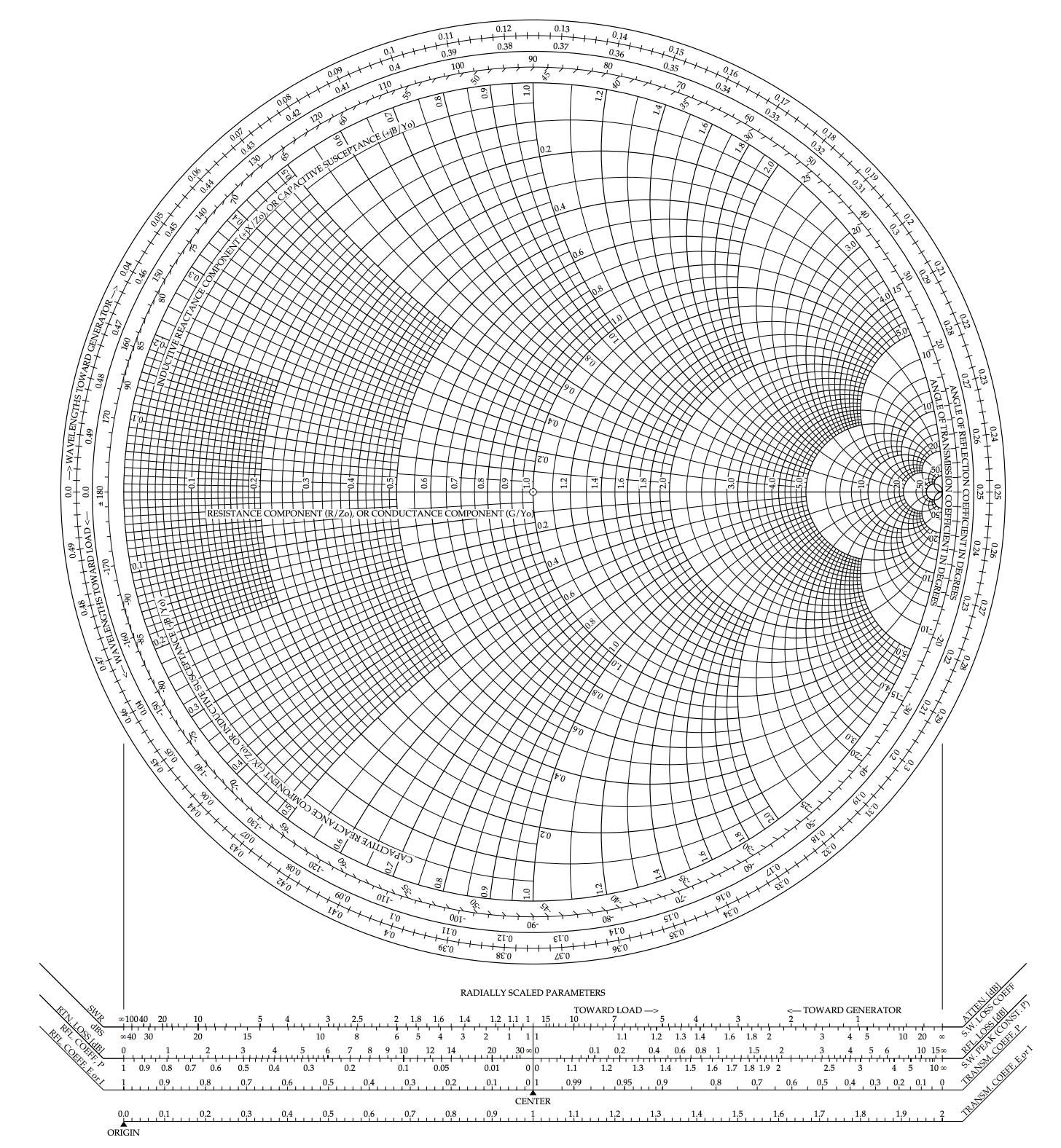
Interesting Diagram: Black Magic Design
A chaotic web of circles known as the Smith chart, that’s really a map to see how impedance changes along a transmission line and how much signal will reflect back.
Manufacturing & Startup News
- Endurance Energy raised $54M in Series A funding to build offshore geothermal power plants that turn seafloor heat into baseload electricity.
- One of the first public examples of an unmanned surface vessel doing operational work for the Navy was a Saronic Corsair recovering two Apache crew members near the Strait of Hormuz.
- Reaxiomatic raised $7.25M in pre-seed funding for a stealth aerospace/defense hardware startup led by former Hermeus co-founder Skyler Shuford.
- Orbital raised $5M in pre-seed funding to build AI data centers in low Earth orbit, starting with a 2027 Pathfinder mission.