Recent Engineering 🔧
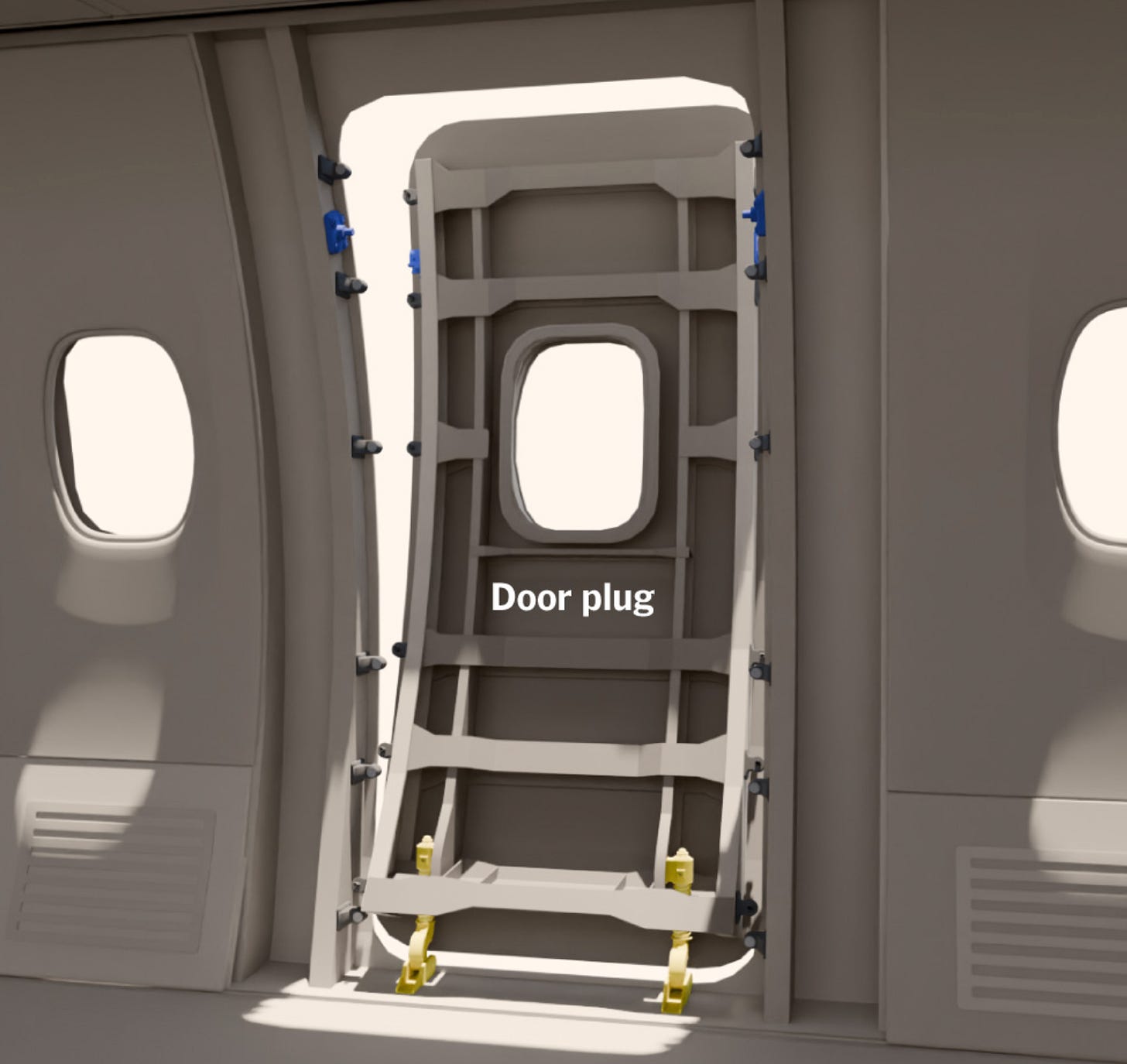
- A month ago a plugged door on a Boeing 737 Max 9 blew off during flight. Although initial speculation was mechanical failure, it was recently concluded the four bolts holding this door to the fuselage were missing altogether. This raises concerns with Boeing’s quality management and tracking protocols, along with the design itself as it could have be mounted interiorly.
- Rabbit has a device, r1, to combine your app’s functionality and a LLM into what they call a “Large Action Model”. This piece of hardware can tell you stock prices, play your favorite song, order food, and analyzes images. Their product development strategy is interesting, where the company focuses exclusively on first-party software and partners with Teenage Engineering, a Swedish consumer electronics company to produce their hardware.
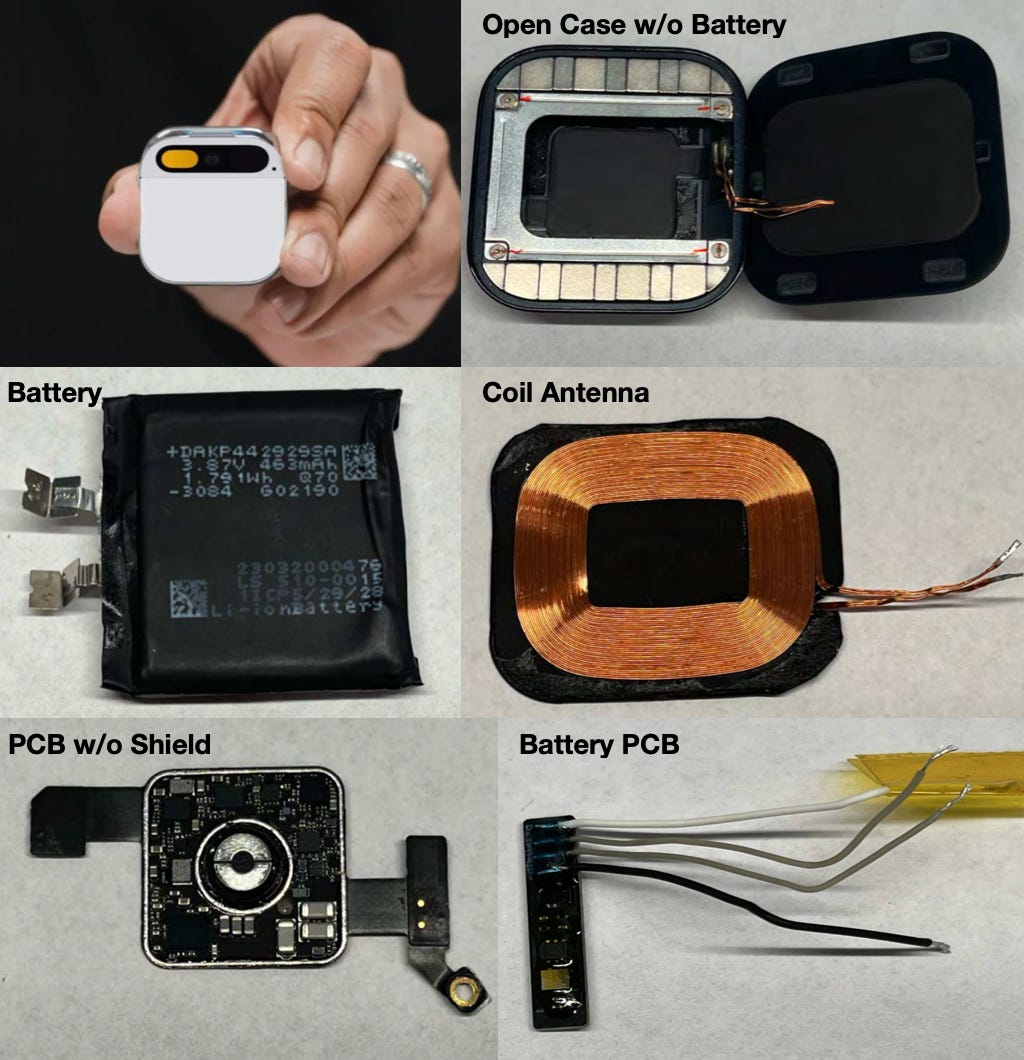
- Humane’s Ai Pin, another device aimed at using AI to help with day-to-day tasks, has images of its internal hardware released in an FCC filing. Check them out below:
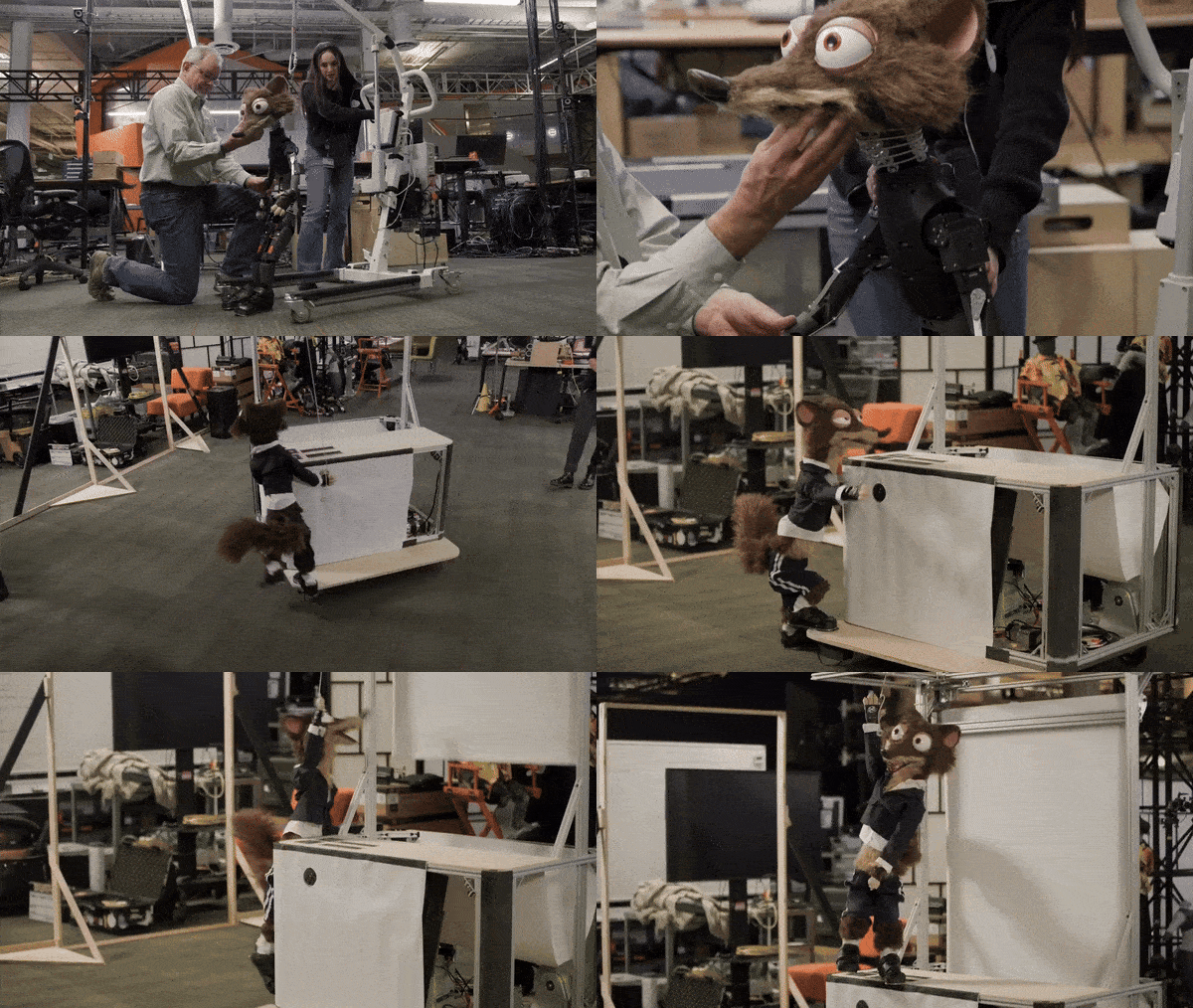
The R&D teams at Walt Disney Imagineering design their robots for collaborative capabilities with one another. For example, they have a robotic weasel that is more dynamic and unreliable for the purpose of entertainment. This robot moves on a robotic kiosk, which has a much more predictable trajectory. The two specialties that each robot has, along with a winch for local movement and cross-communication, allow the team to pull off engaging, yet consistent performances.
Startup News 🌱
- Figure AI could receive $500 million from Microsoft and OpenAI to deploy humanoid robotics workers across the world. Despite only being founded in 2022, this company of Ex-Tesla and Boston Dynamics roboticists would have a valuation of $1.9 Billion if the invest is made.
- Thea Energy recently received a $20 million Series A led by Prelude Ventures to make fusion power more accessible and inexpensive. They’re leveraging methods developed by Princeton Plasma Physics Laboratory to deliver a 350MW plant in the 2030s.
- Chef Robotics, a company focused on food assembly automation, raised $14.75 million through equity and debt. This money will fuel their robotics-as-a-Service platform which reduces the initial cost of entry for many food companies.
- Daedalus received $21 million in a Series A round to bring AI to precision manufacturing. This technology will automate the workflow of manufacturing and use historical data to drive decisions for new custom parts.
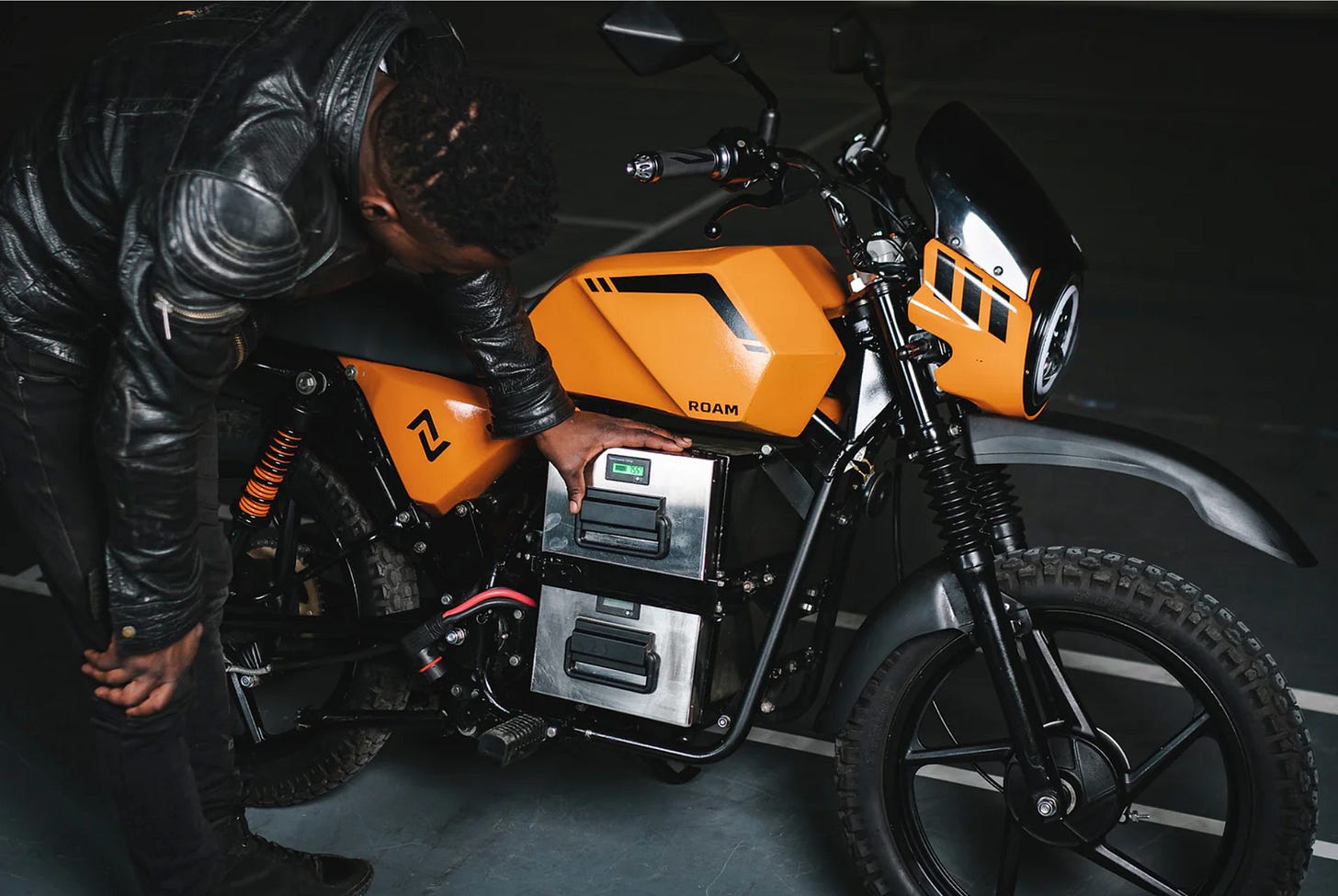
- Roam recently raised $24 million in a Series A round to scale production of EV motorcycles and buses in Kenya. They’re also using the funds for tooling and research to reduce costs related to purchasing off-the-shelf components.
Resources for ME’s: Gen. AI CAD 👨💻
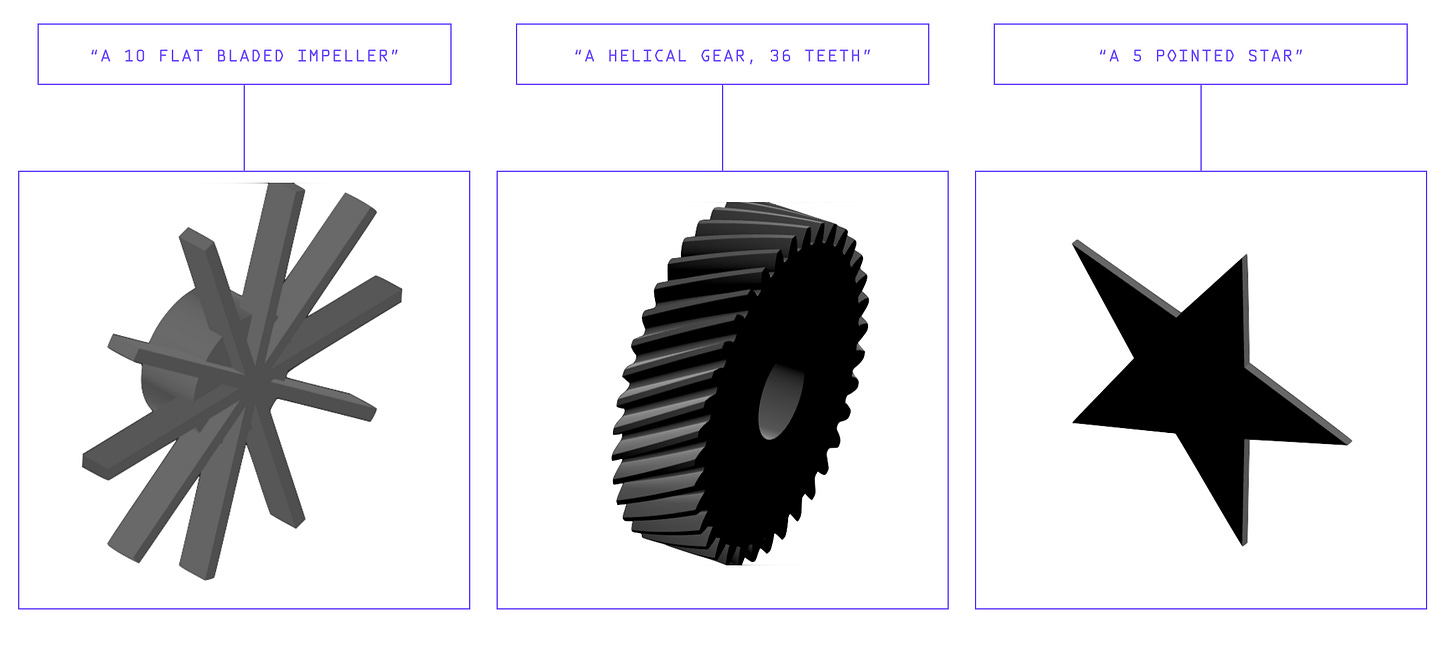
Zoo offers a free text-to-CAD tool that can generate models based on prompts you provide to it. This tool is a part of other services they offer such as ML-Ephant machine learning APIs, KittyCAD design APIs, and a visual/code-based Modeling App.
Question of the Week: Milliamp-hour vs. Watt-hour 🔋
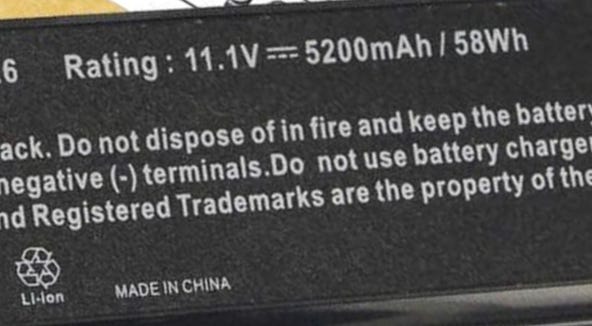
What’s the difference between mAh and Wh? Fundamentally, amps (Q/s) multiplied by time is just the total charge whereas watts (J/s) multiplied by time is the total energy. The difference between the two is the voltage at which the total charge is delivered (P=IV).
This can be a bit misleading. For example, the iPhone 14 has a battery capacity of 3,279mAh whereas the Vision Pro has a capacity of 3,166mAh which seems comparable. However, the iPhone runs at around 4V and the Vision Pro around 13V. This means the iPhone’s battery would have 13.1Wh of energy whereas the Vision Pro would have 41.1Wh which is a notable difference.
There are some instances where mAh comparison is valid though. Dumb loads, such as power tools, have a nearly constant current and mAh can be used to determine how long the load can be sustained for. For smarter loads, such as a laptop, currents and voltages can be managed to output a constant power which makes Wh’s more useful for comparison.